
Tamil people
Dravidian ethnic group originating in southern India and northeastern Sri Lanka, speakers of Tamil with a long literary tradition and a widespread global diaspora.
Overview
The Tamil people are a distinct ethnolinguistic community originating from the southern Indian subcontinent. Their identity is closely tied to the Tamil language, one of the world's oldest living classical languages, and to cultural practices that developed in the region historically known as Tamilakam. Tamil communities live both in their ancestral homelands and across a global diaspora formed over centuries of migration, trade, and colonial-era movement.
Image gallery
10 Images




Language and culture
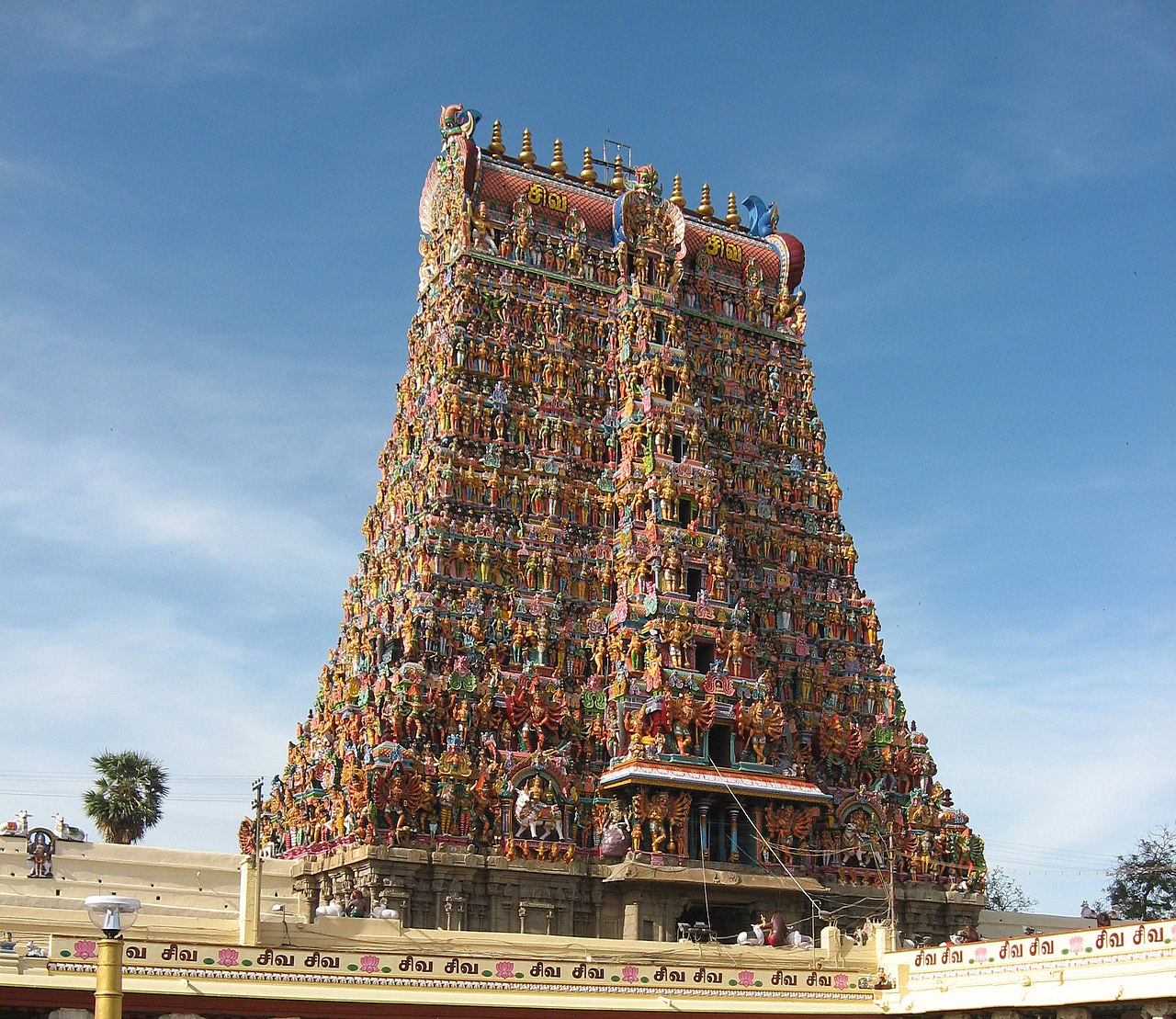
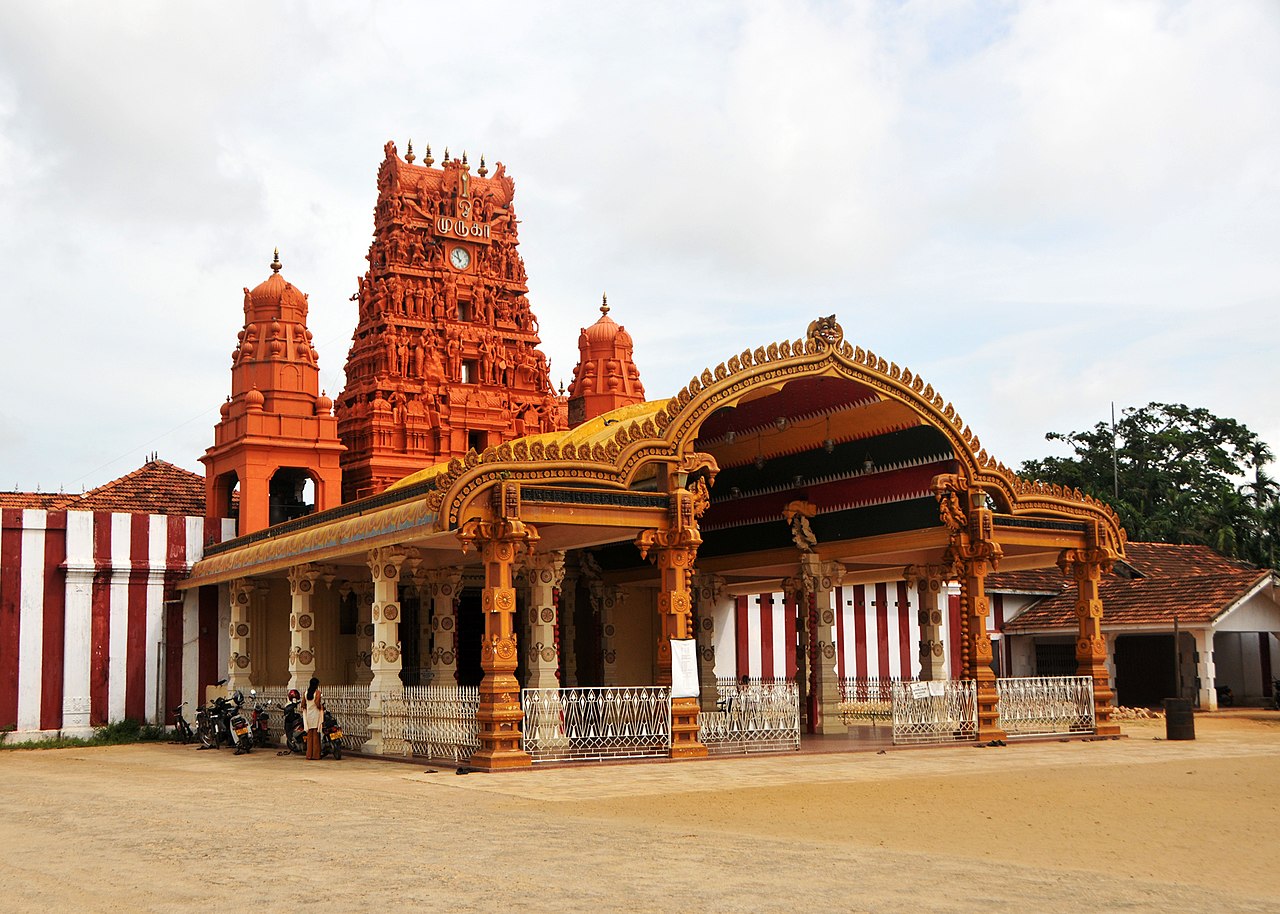
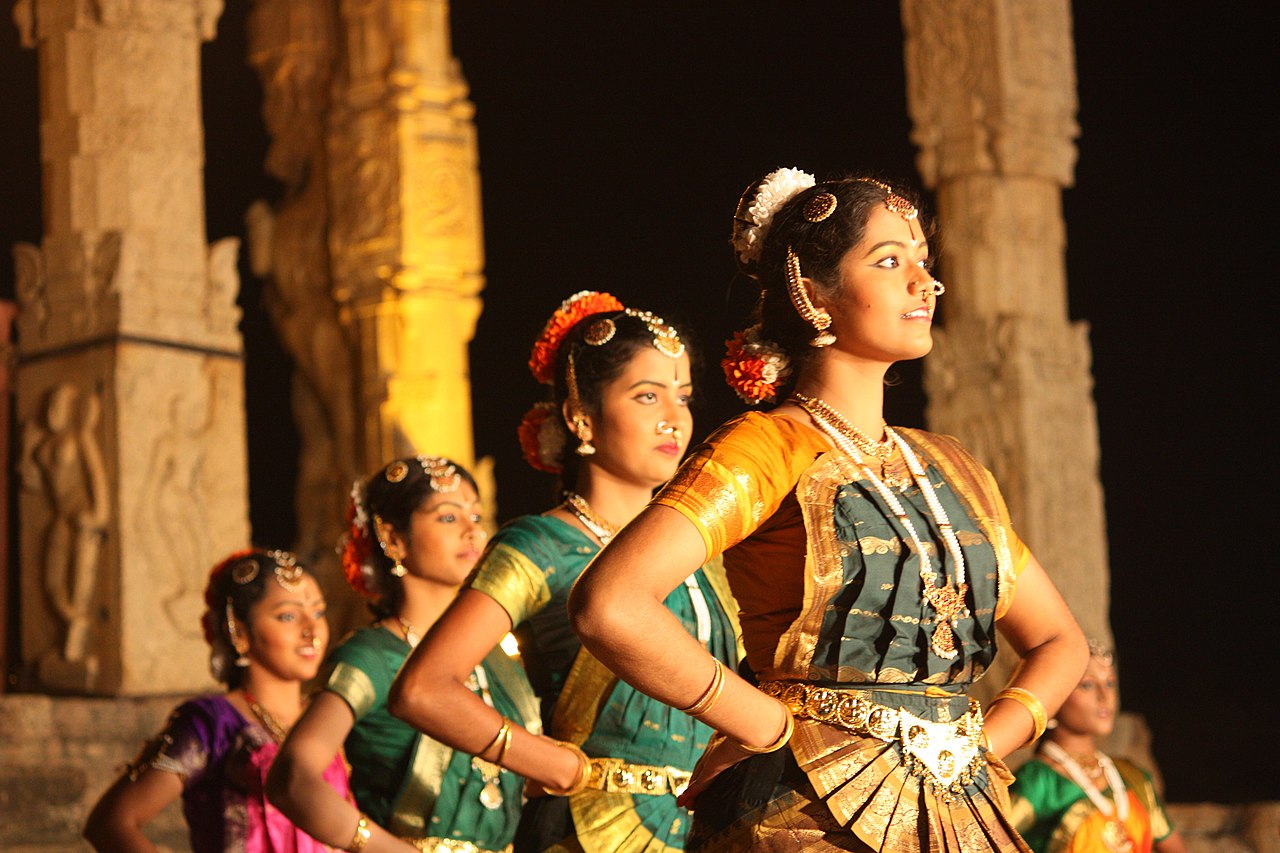
Tamil belongs to the Dravidian family of languages and has a continuous written record stretching back more than two millennia. Classical Tamil literature, religious poetry, and a rich tradition of performance arts — including music, dance, and theatre — have shaped a distinct cultural heritage. Festivals such as Pongal, traditional cuisine, and temple architecture remain important cultural markers. Religious practices among Tamils are diverse, with large Hindu, Christian, and Muslim communities, each adapting local forms of devotion.
Geographic distribution and diaspora
The largest concentration of Tamil speakers is in the Indian state of Tamil Nadu and the union territory of Puducherry. Significant Tamil populations also live in northeastern Sri Lanka where they form a major ethnic group, and in countries across Southeast Asia, Africa, Europe, and the Americas due to historical trade links and migration. Notable overseas communities developed in Malaysia, Singapore, South Africa, Mauritius, the Caribbean, and North America during different periods.
- Regional homelands: Tamil Nadu and parts of southern India and northeastern Sri Lanka.
- Overseas communities: Malaysia, Singapore, Sri Lanka, and various countries formed by colonial-era labor migration and modern migration.
History and development
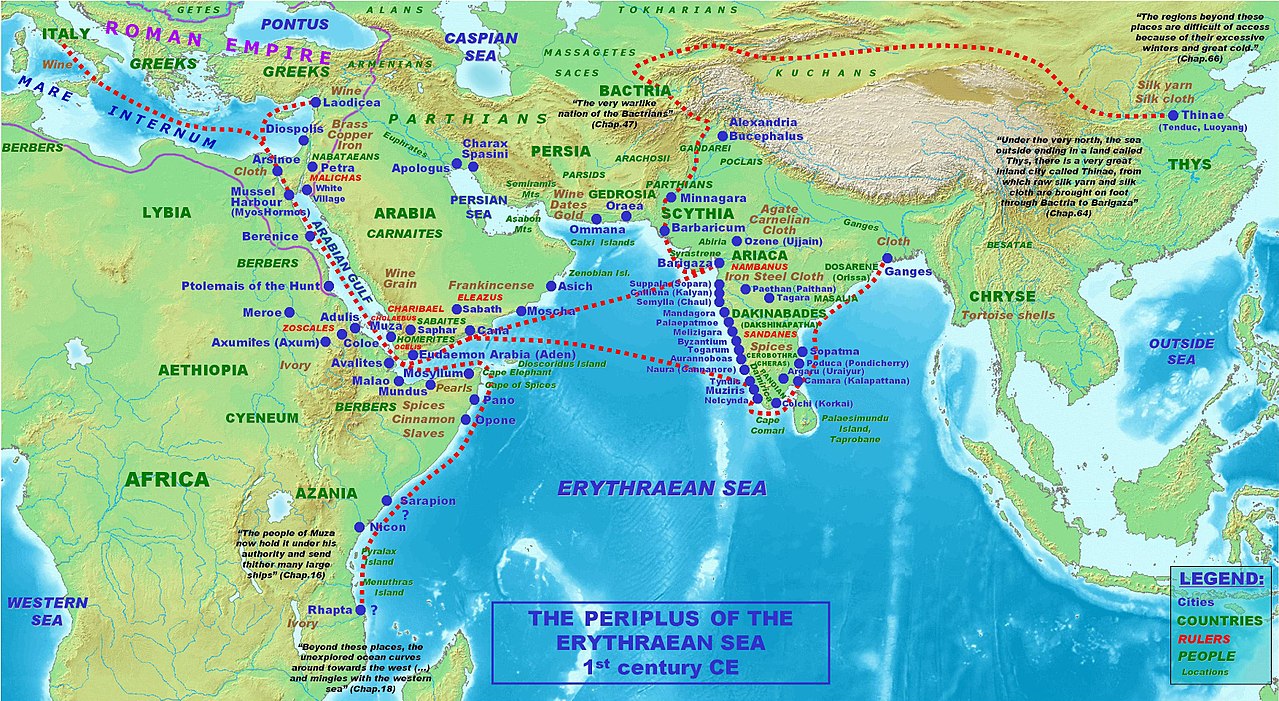
Early Tamil history includes powerful regional dynasties and urban trade centres whose influence extended across the Bay of Bengal. Medieval and early modern periods saw the rise of kingdoms such as the Chera, Chola, and Pandya polities, noted for seafaring, temple building, and patronage of literature. Colonial rule and modern nation-state formation affected linguistic, social, and political life; in Sri Lanka, complex interethnic relations and political movements shaped contemporary history.
Society, economy and arts
Traditional social organization among Tamils included a variety of local institutions and caste-based occupations, though modern economic life has diversified into agriculture, industry, services, cinema, science and technology. Tamil cinema and popular music play a prominent role in contemporary cultural expression. Classical literature, devotional poetry, and modern writings contribute to a respected literary tradition with influence beyond regional boundaries.
Identity and contemporary issues
Modern Tamil identity can be linguistic, cultural or genealogical: many people of Tamil descent maintain cultural ties even when the Tamil language is no longer the primary tongue. Political movements have at times emphasized language rights, regional autonomy or minority protection. Contemporary Tamils are active in preserving language education, promoting cultural institutions, and participating in global networks that link diaspora communities to their heritage.
Related groups and notable facts
Tamils share cultural, linguistic, and historical affinities with other South Indian and Dravidian communities, while also having distinct historical trajectories. The Tamil language is officially recognized as classical for its antiquity and body of literature. Tamils have contributed to regional trade networks, religious traditions, and artistic forms across South and Southeast Asia.
Further links
- Overview of Tamil identity and distribution
- South Asia: historical and cultural context
- India: Tamil Nadu and regional background
- Sri Lanka: Tamil population and history
- Malaysia: Tamil diaspora communities
- Singapore: Tamil language and community
- Language families related to Tamil
- Cultural practices and festivals
- Related Dravidian-speaking groups
- Malayali and neighbouring communities
- Historical connections beyond South Asia
- Comparative perspectives in Eurasia
- Diaspora and descendant communities
- Language shift and retention among descendants
Questions and answers
Q: Who are the Tamil people?
A: The Tamil people are an ethnic group from South Asia who have traditionally lived in the southern parts of India and northeastern parts of Sri Lanka.
Q: How many Tamil people are there in the world?
A: There are around 74 million Tamil people in the world.
Q: Where do most Tamil people live?
A: About 63,000,000 Tamil people live in India, while about 3,600,000 live in Sri Lanka and 2,900,000 live in Malaysia.
Q: Where else do Tamil people live?
A: Tamil people also live in many other places around the world.
Q: Who are some peoples related to the Tamil people by language, culture, and ancestry?
A: Some peoples related to the Tamil people by language, culture, and ancestry include the Brahui people, Kannadigas, Malayalis, Telugu people, and Tuluvas.
Q: What do Tamil people identify themselves with?
A: Tamil people identify themselves with their language, Tamil, and their rich culture and literature.
Q: Have the definition of Tamil people been broadened in recent times?
A: Yes, the definition of Tamil people has been broadened in recent times to include descendants of Tamil speaking people even when they no longer speak Tamil language.
Related articles
Author
AlegsaOnline.com Tamil people Leandro Alegsa
URL: https://en.alegsaonline.com/art/96202