
Muskellunge (Esox masquinongy) — North American freshwater predator
The muskellunge, or muskie, is a large freshwater predator of the pike family native to northern and eastern North America. Known for its size, ambush hunting and importance to anglers.
The muskellunge (Esox masquinongy), commonly called muskie or maskinonge, is a large freshwater game fish in the pike family. It is the largest member of the genus Esox and is widely recognized by anglers for its size, camouflage-like markings and habit of striking large lures. The alternate Canadian name maskinonge reflects its long cultural and natural history in parts of Canada and the northern United States.
Image gallery
7 Images


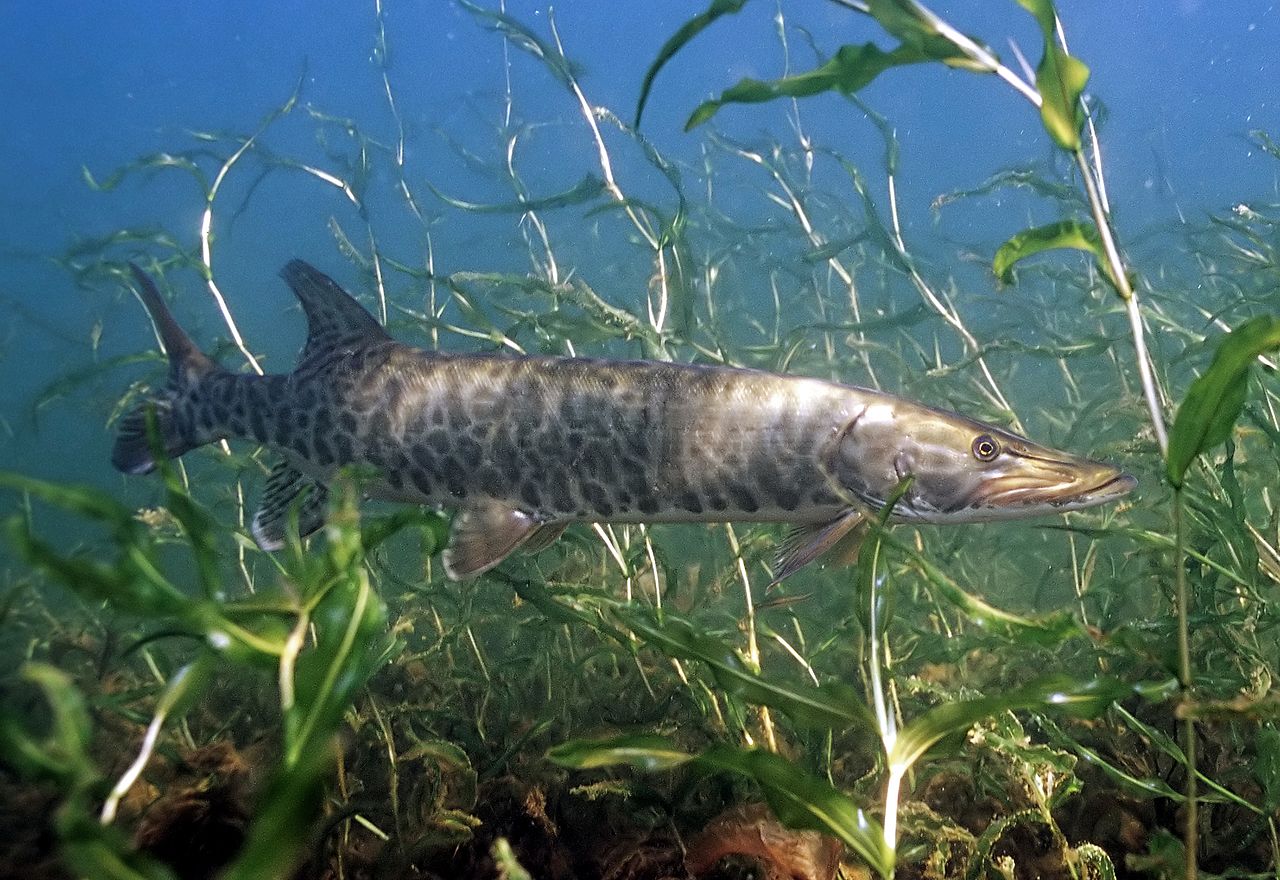


Identification and physical characteristics
Muskellunge have an elongated, torpedo-shaped body and a broad, flattened head with numerous sharp teeth. Colouration varies with water and substrate, typically ranging from silvery or pale green to brown, patterned with spots, bars or blotches that break up the fish’s outline. Fins are usually clear to dusky. Adults commonly exceed one metre in length in favourable waters and can reach considerably larger sizes; individuals exhibit slow, steady growth. The appearance and patterning of muskellunge help distinguish them from related species such as northern pike and smaller esocids.
Range, habitat and distribution
Muskellunge are native to lakes, rivers and connected wetlands in northern and eastern regions of North America, including many waters associated with the Great Lakes, St. Lawrence and upper Mississippi systems. Because of their appeal to sport anglers, muskies have been introduced to additional lakes and reservoirs beyond their original range. They favour clear to moderately turbid waters with abundant aquatic vegetation, submerged structure and open areas suitable for ambush hunting.
Behaviour, diet and life cycle
Muskellunge are solitary, ambush-oriented predators that feed primarily on other fish but will opportunistically take frogs, crayfish, small mammals and waterfowl at the surface. Their hunting strategy depends on stealth, camouflage and rapid bursts of speed. Spawning typically occurs in spring over flooded, vegetated shallows; eggs adhere to plants and substrate and hatch into larvae that develop in sheltered areas. Growth to maturity is relatively slow, and muskies often occupy a top trophic position within their ecosystems.
Angling, management and conservation
Muskies are prized as trophy fish and have inspired specialized angling techniques, tackle and catch-and-release practices. Fisheries managers use population monitoring, habitat protection and selective stocking to sustain recreational fisheries while attempting to protect native genetic stocks. Because muskies are long-lived predators sensitive to habitat degradation, conservation measures—such as protecting spawning habitat, controlling water quality and regulating harvest—help maintain healthy populations and ecological balance.
- Key facts: Large apex predator, ambush hunter, mostly solitary.
- Diet: Primarily piscivorous (carnivorous) and opportunistic.
- Human interactions: Stocking and sport fisheries are common management tools; identification and local regulations matter for anglers (introduced populations).
Identification tips, regional distribution maps and angling regulations are available from local fisheries agencies and angling organizations: consult range summaries (northern range, eastern range), continental overviews (North America) and species profiles for stocking and management details (game fish, Esox, maskinonge).
Questions and answers
Q: What is a muskellunge?
A: A muskellunge is a freshwater game fish and the largest member of the Esox (Pike) family.
Q: What is the scientific name of muskellunge?
A: The scientific name of muskellunge is Esox masquinongy.
Q: What is another name for muskellunge?
A: Another name for muskellunge is muskie or maskinonge (Canada).
Q: Where is muskellunge native to?
A: Muskellunge is native to northern and eastern North America.
Q: Have muskies been introduced into other U.S. states?
A: Yes, muskies have been introduced into other U.S. states.
Q: What do muskies eat?
A: Muskies are carnivorous and eat other fish.
Q: How do muskies feed?
A: Muskies are ambush feeders who will attack anything that moves in or on the water.
Related articles
Author
AlegsaOnline.com Muskellunge (Esox masquinongy) — North American freshwater predator Leandro Alegsa
URL: https://en.alegsaonline.com/art/67783
Sources
- dnr.state.mn.us : "Muskellunge"
- michigan.gov : "Muskellunge, Esox masquinongy"
- dnr.state.mn.us : "Muskellunge biology and identification"
- dnr.state.mn.us : "Muskie vs. Northern pike"
- dnr.state.mn.us : "Muskellunge catch & release"