
List of Domestic Cat Breeds: Overview, History, and Examples
Descriptive guide to domestic cat breeds: definitions, groupings, history of development, common uses, health and ethical considerations, and notable examples of popular breeds.
The term "cat breed" refers to a population of domestic cats selectively unified by consistent physical traits, coat types, ancestry, or temperament. This article complements a more detailed List of cat breeds by explaining how breeds are defined, how they developed, and why they matter to owners, breeders, and researchers.
Image gallery
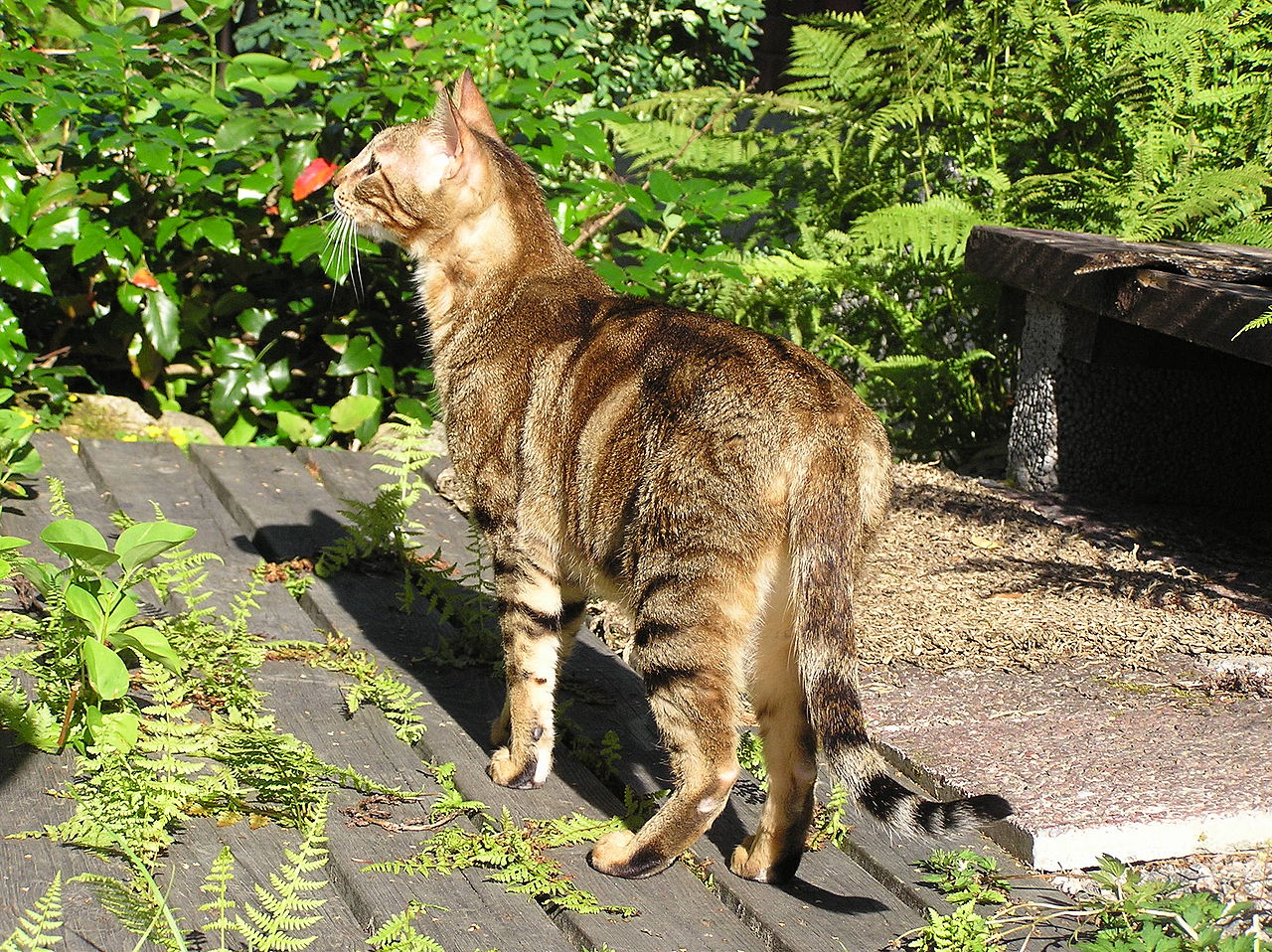
10 Images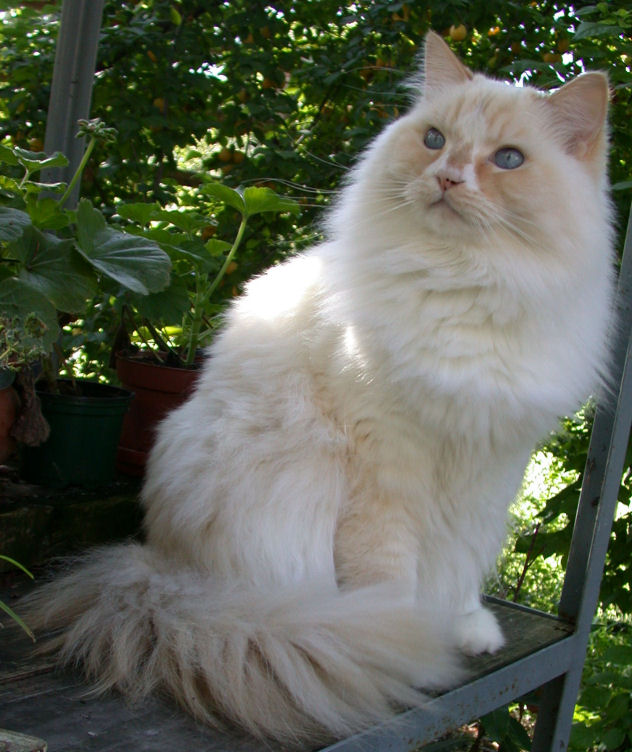


Characteristics and groupings
Breeds are usually described by body size and shape, coat length and pattern, hair texture, ear and tail type, and typical behavior. Fancier organizations and registries distinguish natural breeds (those that arose regionally without directed crossing) from developed or standardized breeds created through selective mating. Major categories used by breeders include shorthaired, longhaired, hairless, and hybrid breeds derived from crosses with wild species.
History and development
Domestic cat breeds emerged through a mix of regional adaptation and intentional breeding. Some types, such as certain spotted or slender varieties, have long historical roots in particular regions. Modern breed development accelerated with the formation of cat clubs and registries in the 19th and 20th centuries; these organizations set standards and organized shows. New breeds continue to appear when breeders select for distinctive traits, sometimes using crosses between recognized breeds or with wild relatives to introduce novel markings or structures.
Uses and importance
Beyond companionship, breeds play roles in exhibition, scientific study, and targeted work. Show cats are judged against breed standards, helping maintain and propagate characteristic traits. Certain breeds are favored in therapy and educational programs for predictable temperaments. In research, breed populations can help clarify genetic causes of coat color, inherited diseases, and behavior.
Notable examples
- Persian — longhaired, round face, popular show breed.
- Siamese — slender, vocal, marked points; one of the well-known Oriental groups.
- Maine Coon — large, tufted ears and bushy tail; often described as rugged and sociable.
- Bengal — bred to resemble wild felids; descended from crosses involving the Asian leopard cat.
- Sphynx — hairless or nearly hairless because of a genetic mutation; noted for warm skin and extroverted personalities.
- Ragdoll, British Shorthair, Abyssinian, Russian Blue, Scottish Fold — examples of breeds valued for particular temperaments or appearances.
Health, ethics, and distinctions
Breed-focused breeding can concentrate inherited conditions as well as desirable features. Prospective owners and breeders should consider welfare implications, genetic testing, and adoption alternatives. Recognition varies among registries, so a cat accepted as a breed by one association may be unrecognized by another; consult breed standards and reputable sources when researching specific types.
For a comprehensive catalog of named breeds and brief breed profiles, see the referenced list of cat breeds and the literature provided by major registries and feline health organizations.
Related articles
Author
AlegsaOnline.com List of Domestic Cat Breeds: Overview, History, and Examples Leandro Alegsa
URL: https://en.alegsaonline.com/art/124535