
Mountain pygmy possum (Burramys parvus)
Small nocturnal Australian marsupial restricted to alpine boulder fields; a Lazarus taxon rediscovered in 1966 and now the focus of conservation due to habitat fragmentation and climate threats.
Overview
The mountain pygmy possum (Burramys parvus) is a tiny, nocturnal marsupial native to the high country of southeastern Australia. It is unusual among Australian mammals for being restricted to cold alpine and subalpine boulder fields where it shelters in rock screes and uses deep leaf litter and rock crevices for insulation. Its rediscovery in 1966 after being known previously only from Pleistocene fossils made it a classic example of a Lazarus taxon and a focal species for alpine conservation.
Image gallery
4 Images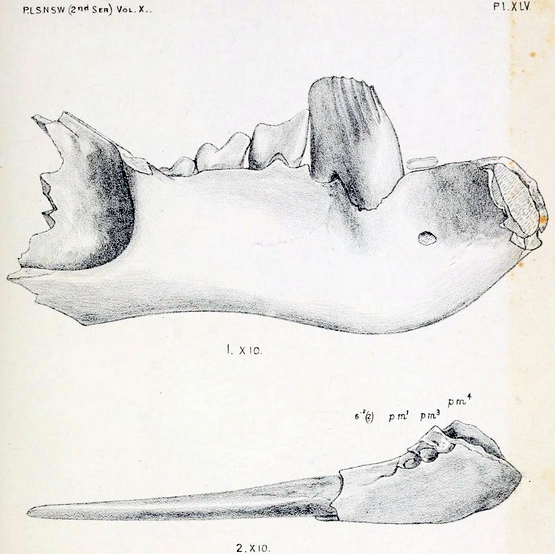


Appearance and biology
Adults are mouse-sized, weighing on average around 45 g, with a head and body length near 11 cm and a prehensile tail of roughly 14 cm. Their dense fur and fat reserves help them withstand cold conditions. Like other marsupials, females have a pouch in which underdeveloped young complete their early growth. The possums are primarily insectivorous and omnivorous, feeding on insects, seeds, fleshy fruits and nectar; in spring and early summer they also prey upon or scavenge large migratory insects that visit alpine areas.
Distribution and habitat
The species is restricted to a few isolated mountain ranges in southern Victoria and the Snowy Mountains of New South Wales. Populations are confined to high elevations, typically above about 1,300 metres, where boulder fields and scree provide critical shelter and stable microclimates. This dependence on a very specific habitat makes the possum vulnerable to changes in snow cover, plant communities and the availability of hibernation sites.
Behavior, seasonal biology and reproduction
Mountain pygmy possums are nocturnal and largely solitary outside the breeding season. Males and females occupy different parts of the rocky slopes for much of the year, and males migrate upslope to mate. The species is one of the few Australian mammals known to enter extended torpor or true hibernation during the cold months, reducing metabolic demands when food is scarce. Females rear their young in the pouch after breeding; juveniles emerge to independent life when sufficiently developed.
History and taxonomy
The first scientific recognition of the genus came from fossil material described by paleontologist Robert Broom in the late 19th century. Those fossils came from Pleistocene deposits and represented a lineage thought to be extinct until a living population was found in 1966. The living animal is the sole surviving member of the genus Burramys, which is known in the fossil record from several earlier species.
Conservation status and threats
The mountain pygmy possum is listed as threatened and is the subject of intensive conservation attention. Key threats include habitat fragmentation, reduced snow cover and altered timing of seasons driven by climate change, declines in important food sources (notably migratory alpine insects), predation by introduced carnivores and disturbance from human activities such as tourism and road construction. Because remaining populations are geographically isolated and genetically distinct, management actions often focus on protecting specific sites and improving connectivity where feasible.
Conservation actions and examples
- Habitat protection within national parks and careful management of ski-resort development.
- Targeted predator control to reduce fox and feral cat impacts.
- Captive-breeding and translocation programs to bolster small populations and preserve genetic diversity.
- Engineering solutions to reduce mortality during migrations, such as underpasses and road-warning measures implemented near ski areas.
Because the mountain pygmy possum occupies a narrow ecological niche and depends on seasonal resources, it is frequently cited in discussions about the ecological impacts of climate change on specialized alpine fauna. Conservationists, park managers and researchers continue to monitor populations and trial interventions to improve long-term prospects for this distinctive Australian marsupial.
Further reading and resources: size and measurements, nocturnal behavior, general distribution, Victorian alpine habitats, Kosciuszko region, species account, Lazarus taxon concept, Burramys genus, diet and food items, nectar and flowers, seed consumption, Pleistocene fossils, Robert Broom's description.
Questions and answers
Q: What is the mountain pygmy possum?
A: The mountain pygmy possum is a small, mouse-sized nocturnal marsupial of Australia. It is found high up in rock screes and boulder fields of southern Victoria and in Kosciuszko National Park, New South Wales.
Q: How much does the mountain pygmy possum weigh?
A: The mountain pygmy possum weighs 45 g.
Q: What type of habitat does the mountain pygmy possum live in?
A: The mountain pygmy possum lives in an alpine habitat.
Q: What does the diet of the mountain pygmy possum consist of?
A: The diet of the mountain pygmy possum consists of insects, fleshy fruits, nuts, nectar and seeds.
Q: When was the first living specimen discovered?
A: A living specimen was discovered in 1966 in a ski-hut on Mount Hotham.
Q: How many geographically isolated populations are known to exist for this species?
A: Three geographically isolated populations are known to exist for this species.
Q: How do males and females interact during most parts of the year?
A: During most parts of the year, males and females live apart from each other with females living on better part of rocky slopes while males live on margins usually lower on mountains.
Related articles
Author
AlegsaOnline.com Mountain pygmy possum (Burramys parvus) Leandro Alegsa
URL: https://en.alegsaonline.com/art/67138