
Mount Thor (Thor Peak): Baffin Island's famous sheer cliff
Mount Thor on Baffin Island, Nunavut, Canada, is renowned for a nearly 1,250 m vertical west face—one of the largest sheer drops on Earth—located in Auyuittuq National Park and prized by climbers.
Mount Thor (Thor Peak) is a prominent mountain on Baffin Island in the territory of Nunavut, Canada. It is best known for its west face, a long, near-vertical granite wall often cited as having the world's greatest vertical drop. The commonly reported figure for the sheer drop is about 1,250 metres, though measurements and definitions vary by source.
Image gallery
6 Images


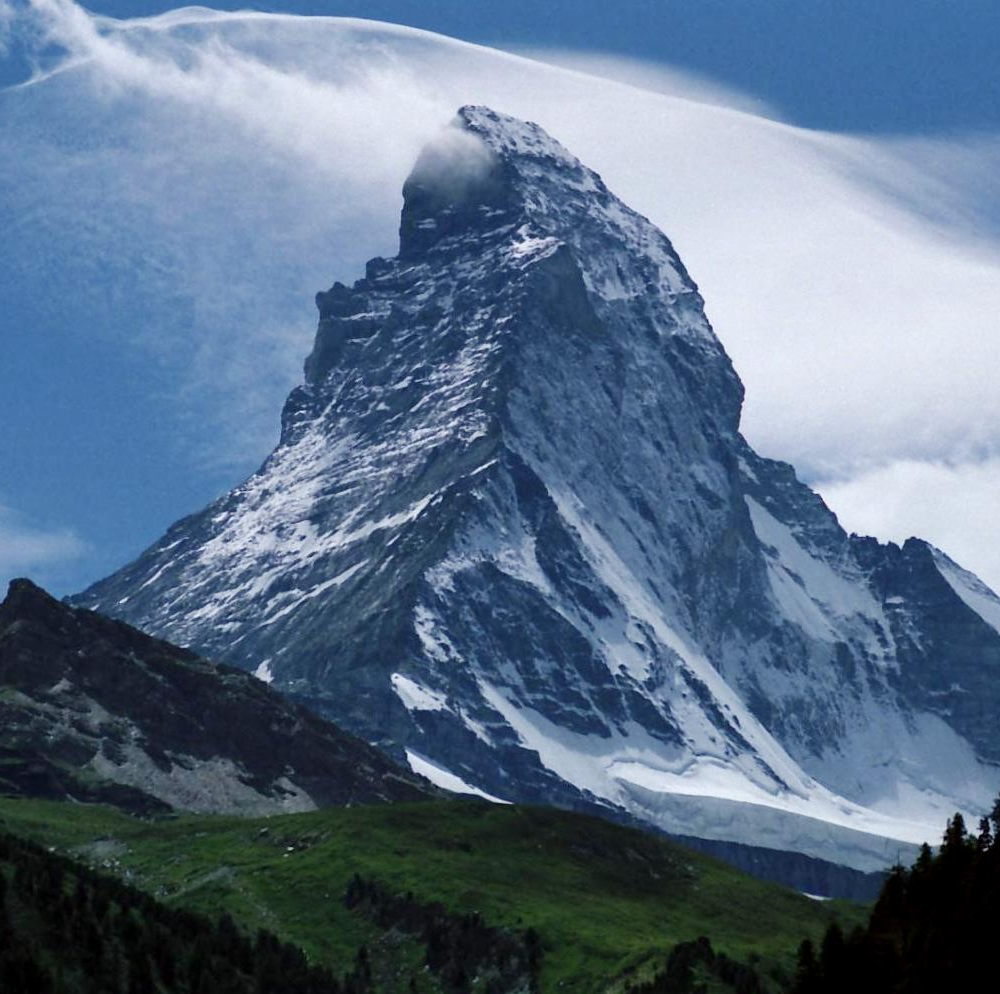
Physical characteristics
Mount Thor is composed primarily of Precambrian granite and is part of the Baffin Mountains within the Arctic Cordillera. The west face is notable for its sustained verticality and sections that overhang beyond vertical, creating a dramatic cliff that challenges climbers and draws scientific interest in rock and ice interactions in Arctic conditions. The mountain sits above fjord-carved terrain and is subject to severe polar weather for much of the year.
Climbing, access and conditions
The mountain attracts experienced alpine and big-wall climbers. Routes on the west face demand advanced skills in rock climbing, protection, and cold-weather survival; conditions include rock, ice, and mixed routes depending on season. Access to the area is typically through Auyuittuq National Park and requires careful logistical planning, often involving travel from nearby Inuit communities or guided expeditions. Climbers and visitors must be prepared for short summer windows and rapidly changing Arctic weather.
History, name and cultural context
The peak was named after the Norse god Thor, a nod to its imposing and thunderous appearance. Indigenous Inuit knowledge of the region long predates the Euro-Canadian name; local place names and cultural ties to the land remain part of its human history. Scientific and recreational interest in Mount Thor has grown since the mid-20th century as Arctic exploration and technical climbing developed.
Importance and notable facts
- Often described in guidebooks and media as having one of the greatest vertical drops on Earth; precise comparisons depend on measurement methods (sources vary).
- Located within protected lands of Auyuittuq National Park, the mountain contributes to Arctic conservation and tourism considerations.
- Its geology and exposure make it a subject of interest for studies of cold-climate erosion and rock stability.
For maps, park information and climbing reports, readers can consult regional resources and national park guides; practical trip planning should reference up-to-date notices and experienced operators familiar with remote Arctic travel (Mount Thor overview, Canada park services, Baffin Island resources, Nunavut travel guidance). Additional background and photographic material are available through expedition accounts and specialized climbing publications (comparative steepness reports).
Related articles
Author
AlegsaOnline.com Mount Thor (Thor Peak): Baffin Island's famous sheer cliff Leandro Alegsa
URL: https://en.alegsaonline.com/art/67103