
Blue Ridge Mountains
A prominent subrange of the Appalachian Mountains in the eastern United States, noted for its old crystalline rocks, rich biodiversity and the characteristic blue haze from forest emissions.
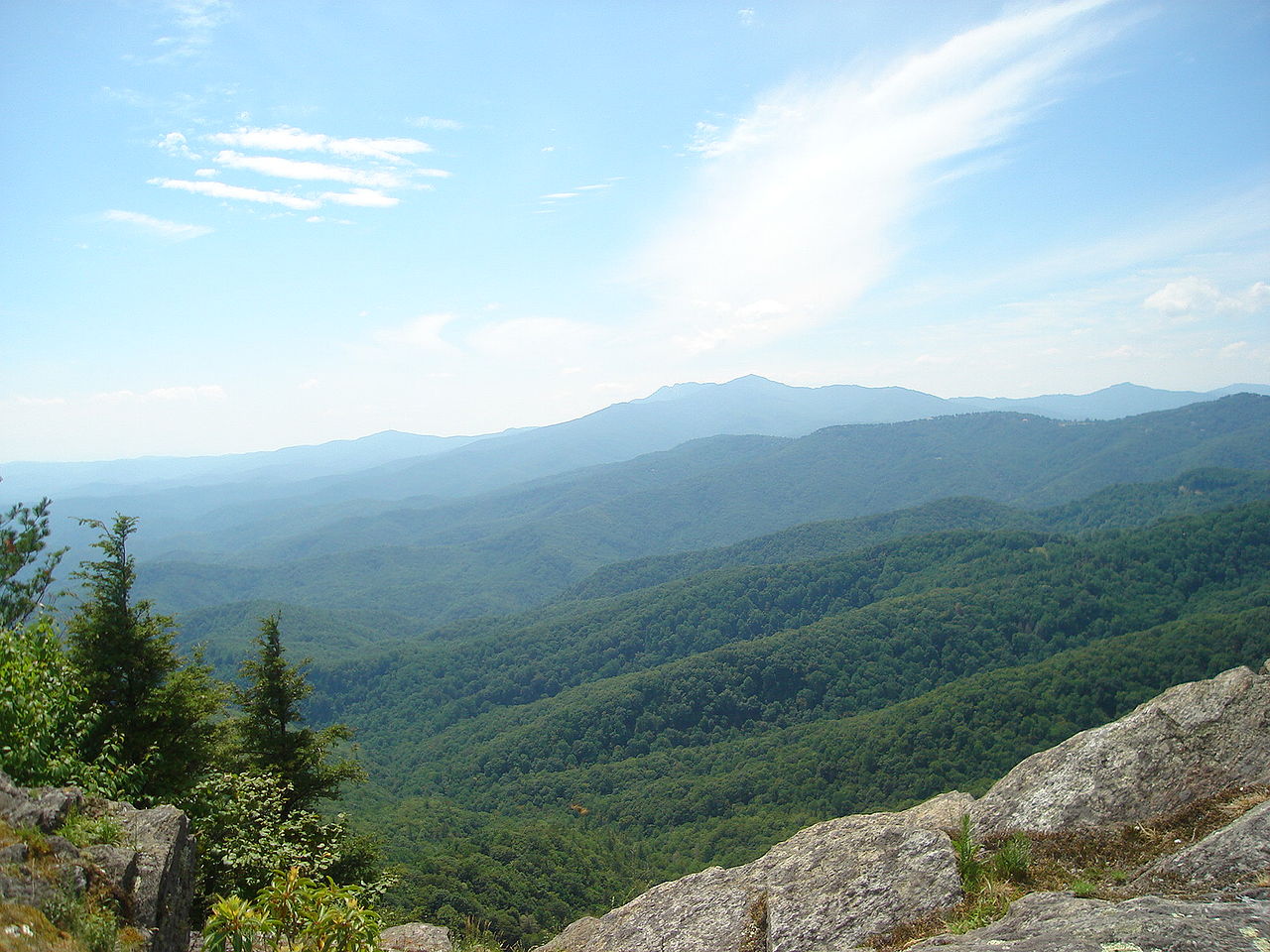
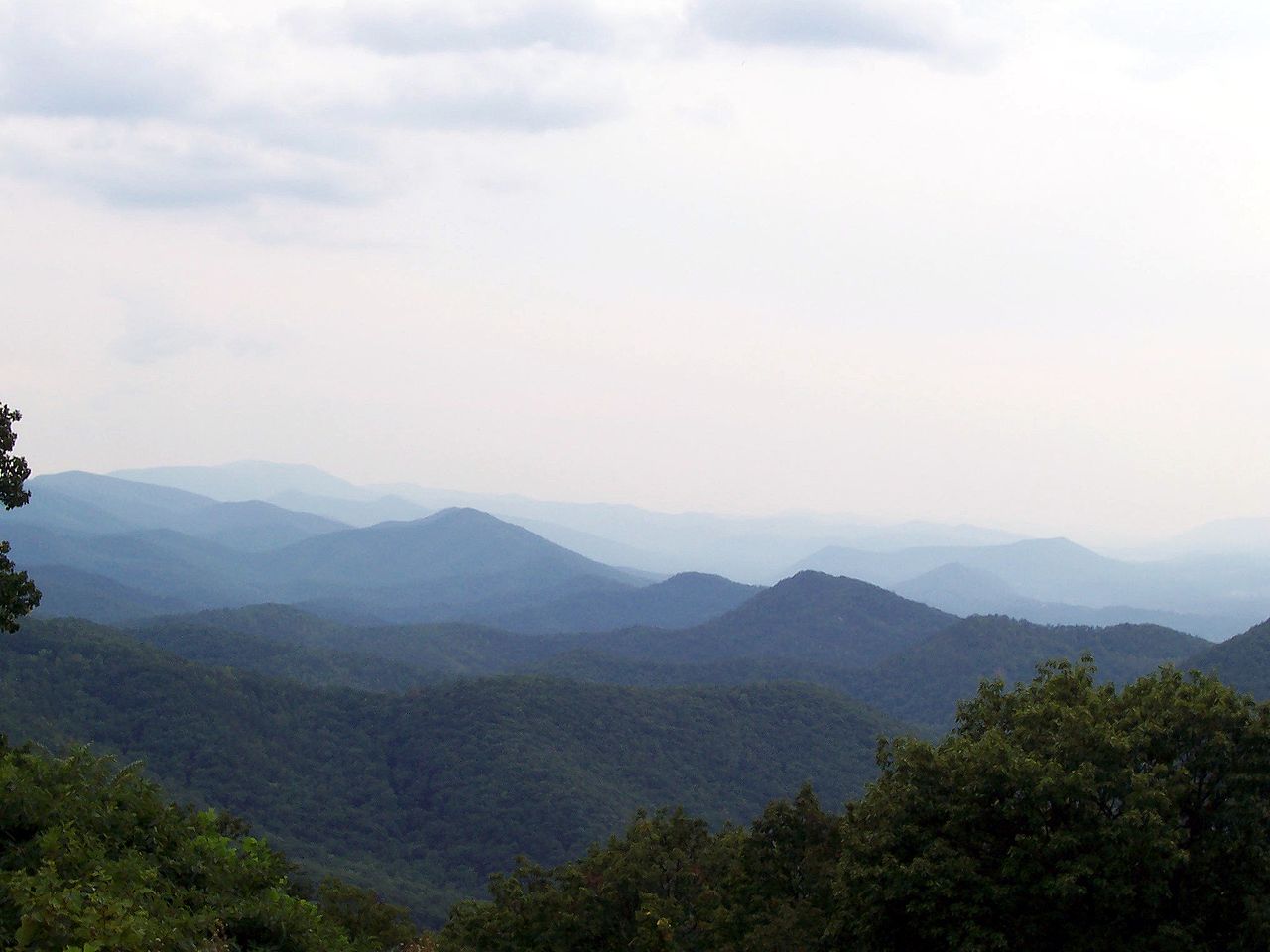
The Blue Ridge Mountains form a long, forested chain in the eastern United States and are widely recognized for their rounded peaks, deep valleys and scenic ridgelines. They run across several states in the eastern U.S., linking landscapes and communities from the Mid-Atlantic into the Southeast. See the regional overview: eastern United States.
Image gallery
9 Images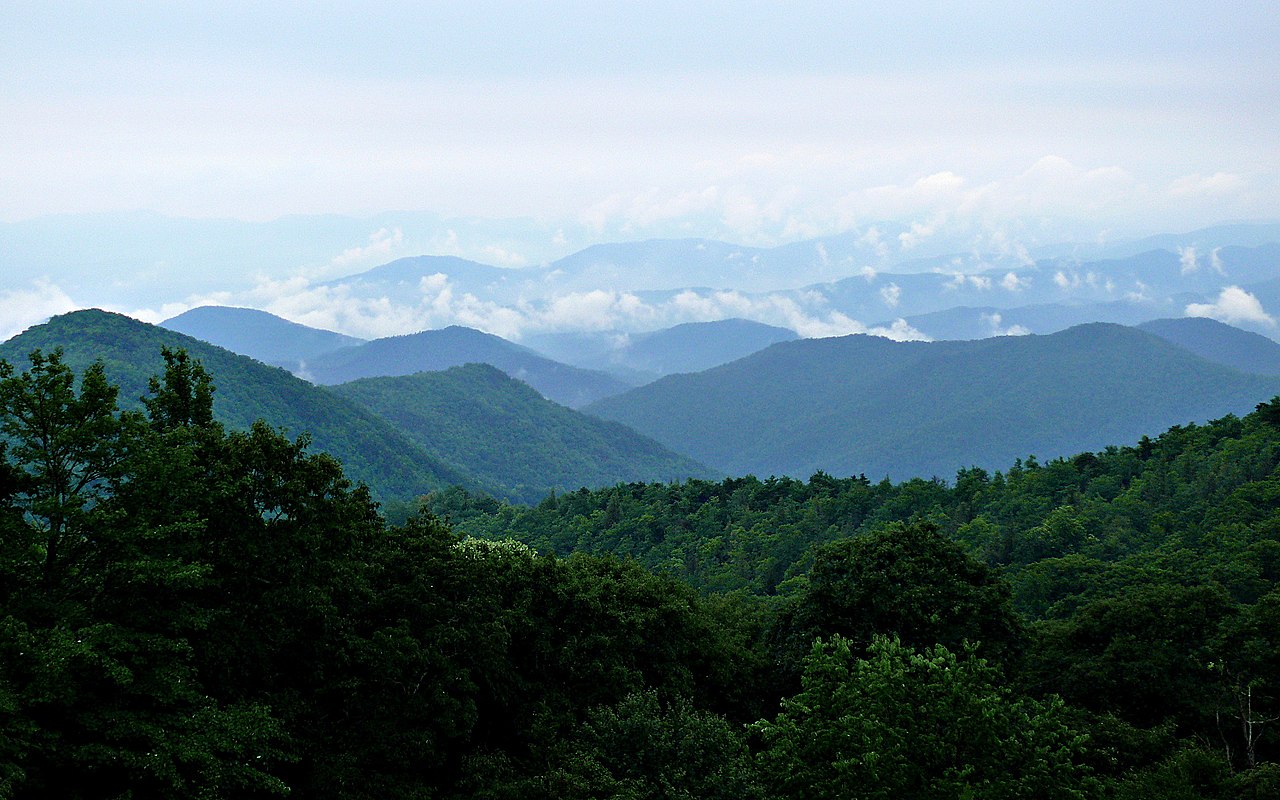




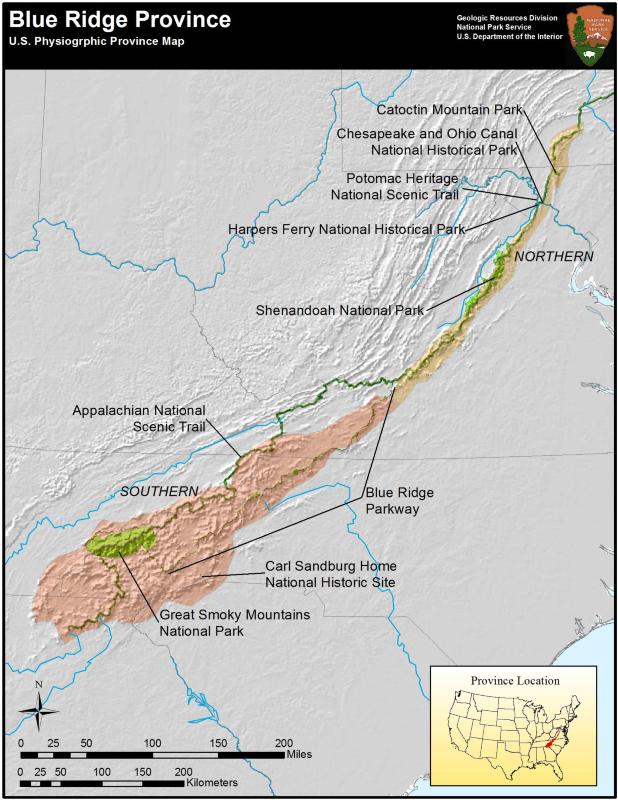
Where they run
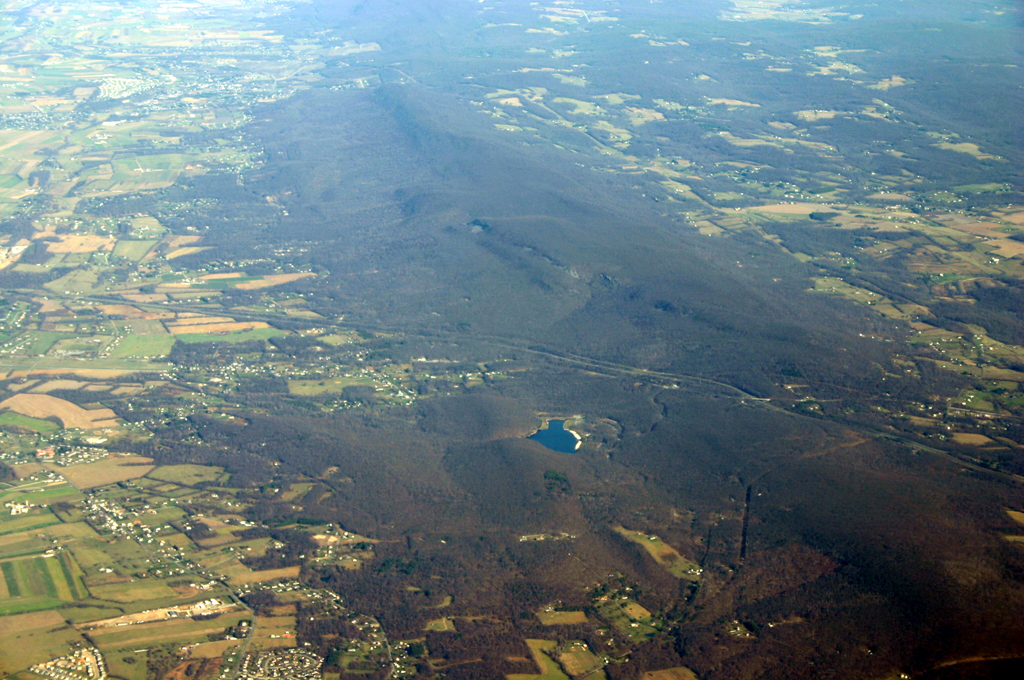
The range extends through multiple states; major portions lie in Georgia, North Carolina, Tennessee, Virginia, Maryland, Pennsylvania, South Carolina and West Virginia. The highest summit in the Blue Ridge is Mount Mitchell, which is also the tallest peak east of the Mississippi River. The Blue Ridge is a distinct physiographic province within the larger Appalachian Mountains.
Geology and landscape
The mountains are underlain by ancient crystalline rocks—metamorphic and igneous formations that record a long tectonic history. Much of the present landscape was sculpted during Paleozoic mountain-building events and later shaped by long-term erosion. Ridges and escarpments, rocky outcrops and narrow valleys characterize the terrain, and soils derived from old bedrock support diverse temperate forests.
Ecology and the "blue" appearance
One of the range's visible signatures is a soft blue haze that often veils distant slopes. That coloration arises in part from volatile organic compounds emitted by vegetation—among them compounds like isoprene—together with scattered light and atmospheric moisture. See discussion of the blue haze and the role of local trees and plants in producing airborne organic vapors.
Biological importance and human use
The Blue Ridge supports exceptionally rich temperate deciduous forests, with high levels of plant and amphibian diversity, particularly in the southern sections. Human use ranges from small mountain communities and historical settlements to modern recreation: hiking, scenic drives and protected corridors attract millions of visitors. Notable routes and protected areas follow the ridgeline and provide access to overlooks, trails and natural areas.
Notable facts
- Part of the broader Appalachian system but recognized as its own physiographic province.
- Contains some of the oldest rocks in eastern North America and numerous endemic species.
- Famed for scenic routes and conservation projects that protect large forest tracts.
Related articles
Author
AlegsaOnline.com Blue Ridge Mountains Leandro Alegsa
URL: https://en.alegsaonline.com/art/12369