
Mount Hiei (Hiei‑zan): geography, temples, and cultural significance
Mount Hiei, northeast of Kyoto on the Kyoto–Shiga border, is noted for its Enryaku‑ji temple complex, historic role in Japanese religion and politics, ancient ascetic practices, hiking routes and panoramic views.
Overview
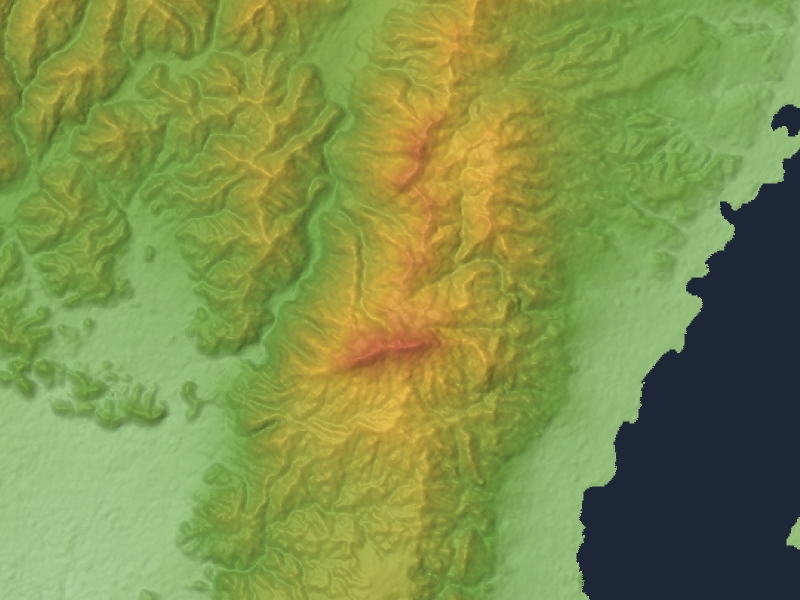
Mount Hiei (Hiei‑zan) rises northeast of Kyoto and sits along the boundary between Kyoto and Shiga prefectures. From its wooded slopes visitors can see Kyoto city and, on clear days, Lake Biwa. The mountain is both a natural landmark and a long‑established religious center; for map and visitor information see location map.
Image gallery
8 Images




Religious and historical importance
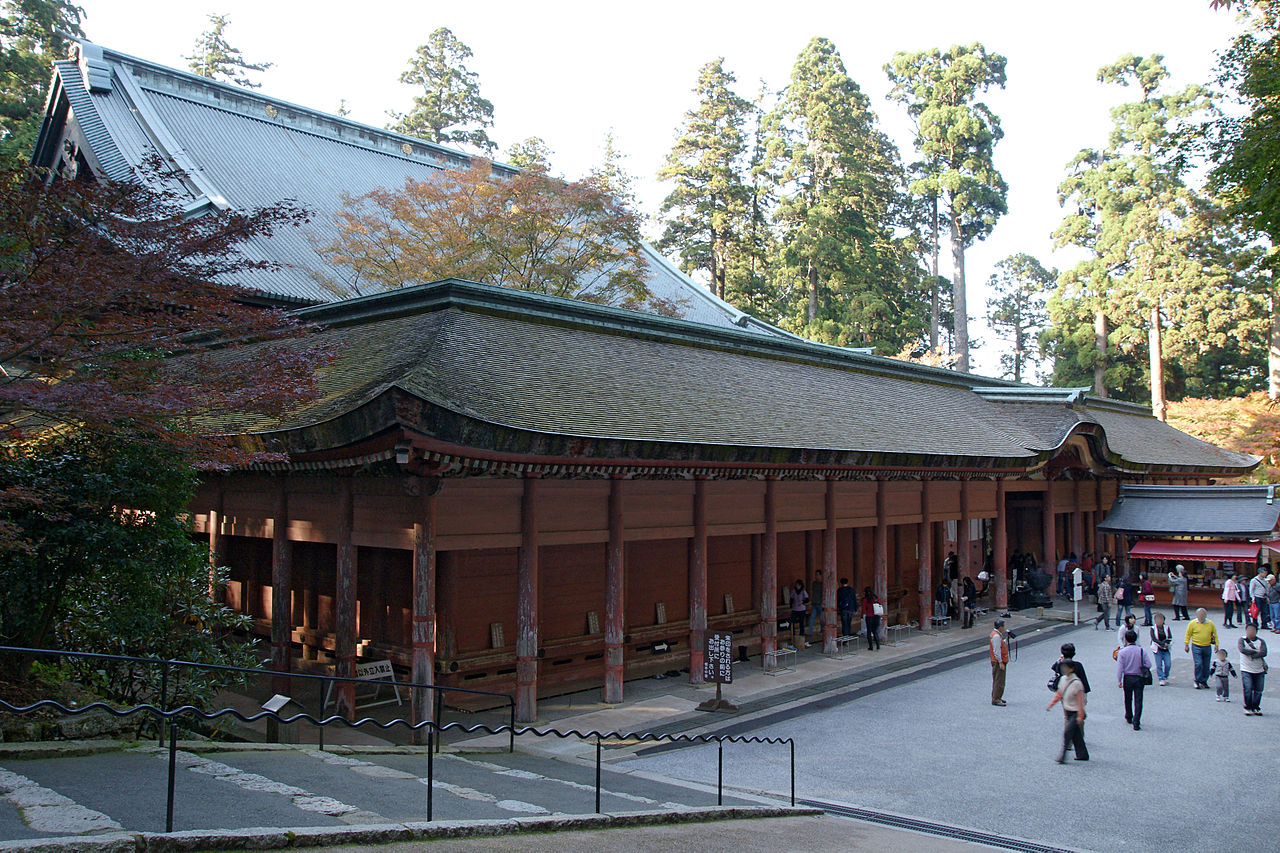
Mount Hiei is best known as the site of Enryaku‑ji, a major Tendai Buddhist monastery founded by the monk Saichō in the late eighth century. Over centuries the temple complex became an influential religious institution in Japan and is included in the UNESCO listing for the historic monuments of the Kyoto area. The mountain’s position on the Kyoto–Shiga border gave it strategic and symbolic prominence within the region and within the broader history of Japanese religion and politics in Japan.
Development and conflict
Enryaku‑ji grew into a network of temple buildings and training halls and at times maintained armed warrior monks (sōhei) who affected local and national affairs. In the sixteenth century the complex suffered major destruction during military campaigns, and it was later rebuilt and reconfigured. These events are pivotal in accounts of the mountain’s changing role from a medieval power center to a modern religious and cultural site; the mountain also appears in many historical narratives and regional chronicles (folktales and records).
Practice, folklore and traditions
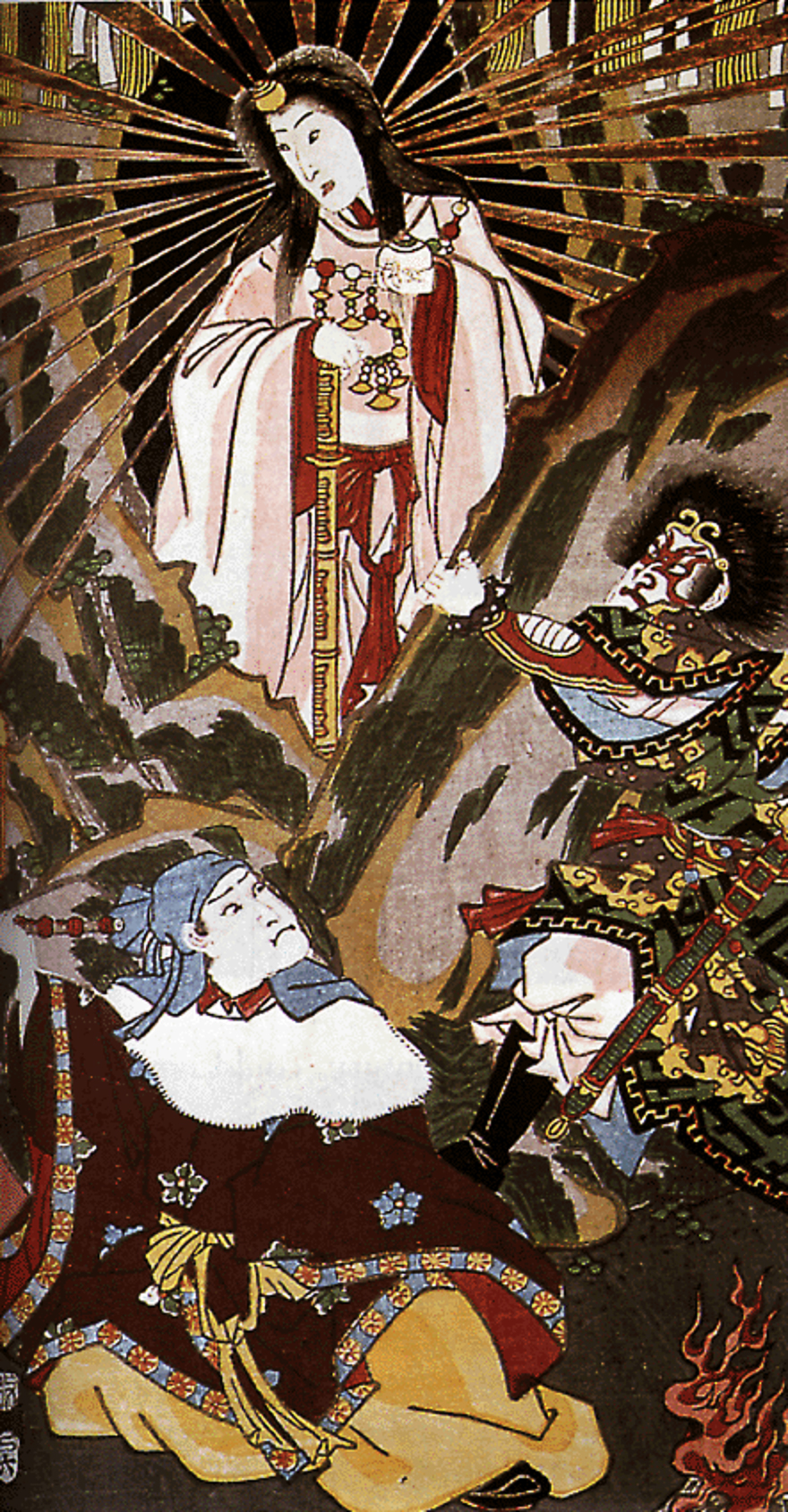
Mount Hiei is associated with long‑standing ascetic practices. Tendai monks have carried out rigorous walking and meditative circuits on the slopes as part of spiritual training; some forms of that discipline have become well known beyond scholarly circles. Folk beliefs also linked the mountain with Shinto spirits, mountain gods and, in popular stories, demons—reflecting the layered Shinto and Buddhist cultural landscape of the area (local beliefs, traditions).
Landscape, access and activities
Much of Mount Hiei remains forested and supports a variety of plant and animal life typical of central‑Honshu hills. The summit and temple precincts are reached by a combination of hiking trails, roads, a cable car and a ropeway that serve pilgrims and tourists. Typical activities include visiting temple halls, walking marked trails, viewing the city and lake from lookout points, and studying the mountain’s religious sites.
- Visit: Enryaku‑ji precincts and shrine sites.
- Walk: Day hikes and longer pilgrimage routes.
- Learn: History of Tendai Buddhism and medieval Japan.
Mount Hiei remains a place where natural scenery, historical layers and spiritual practice meet, offering both a living religious community and a popular destination for cultural tourism and outdoor recreation.
Related articles
Author
AlegsaOnline.com Mount Hiei (Hiei‑zan): geography, temples, and cultural significance Leandro Alegsa
URL: https://en.alegsaonline.com/art/67038