
Mount of Olives Jewish Cemetery
Historic Jewish burial ground on Jerusalem's Mount of Olives. One of the oldest and largest Jewish cemeteries, it contains tens of thousands of graves and holds deep religious and cultural importance.
Overview
The Mount of Olives Jewish Cemetery occupies the slopes of the Mount of Olives overlooking the Old City of Jerusalem. Situated opposite the eastern wall of the Temple Mount, it is widely regarded as one of the oldest and largest Jewish burial grounds in the world, containing well over one hundred thousand graves. Its location grants a clear vista of the Old City and has made it an enduring focus of pilgrimage, memory and burial practice for many Jewish communities.
Image gallery
10 Images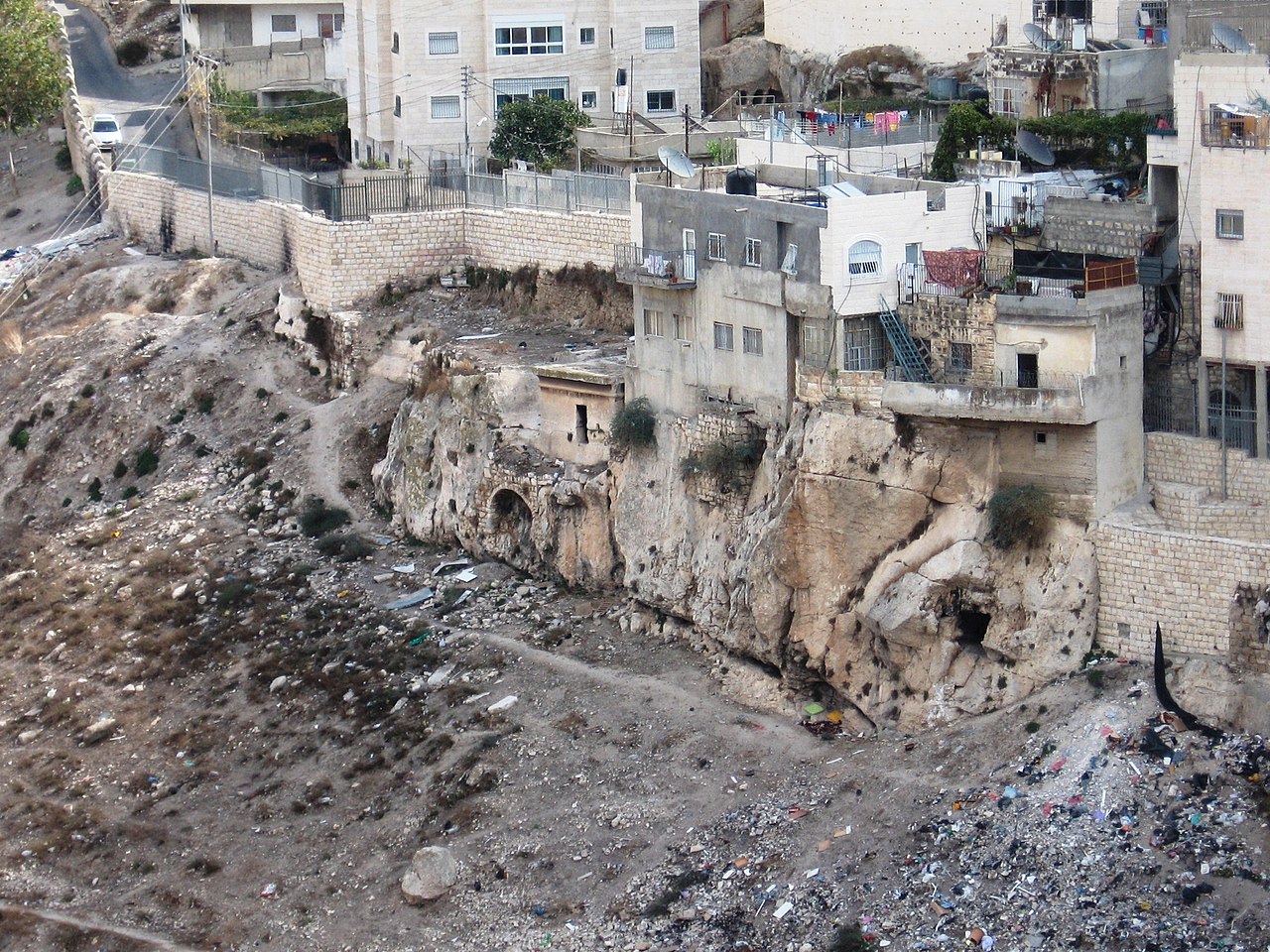


Location and physical features
Found on the eastern ridge that borders the Old City, the cemetery stretches along terraced hillsides and narrow paths. For basic orientation see the coordinates. The cemetery is part of greater Jerusalem (Jerusalem) topography and shares the mount with other historic monuments and religious sites on the Mount of Olives. Stone markers, family plots and clustered sections from different eras create a layered landscape of burial architecture.
Religious and cultural significance
For many Jews the Mount of Olives has particular eschatological importance: traditional beliefs associate the ridge with the arrival of the resurrection and the coming of the Messiah, which has encouraged burial there for centuries. The cemetery contains graves of religious leaders, scholars and community figures, and it plays a role in rituals of remembrance, pilgrimage and commemoration.
History and preservation
The site has been used for Jewish burials across long historical periods, with sections reflecting ancient, medieval and modern interments. During the 20th century the cemetery experienced periods of neglect and damage, followed by restoration efforts by communities, municipal bodies and conservation groups. Work has focused on repairing toppled stones, conserving monuments and documenting plots while balancing religious law, archaeological concerns and contemporary urban pressures.
Visiting and notable aspects
- Access: The cemetery is visited by worshippers, descendants and tourists; access is subject to local regulations and respect for funerary customs.
- Features: Terraced graves, stone inscriptions in multiple languages, and rows of memorials reflect the cemetery's long use.
- Significance: It remains an active symbol of continuity for Jewish communal memory and identity.
Ongoing conservation and scholarly attention aim to preserve the site's cultural value while accommodating religious practice and public interest. Visitors are asked to respect the sanctity of the grounds and to consult local guides or authorities for current access information.
Related articles
Author
AlegsaOnline.com Mount of Olives Jewish Cemetery Leandro Alegsa
URL: https://en.alegsaonline.com/art/67060