
Mount Kinabalu — Malaysia's High Mountain and Biodiversity Landmark
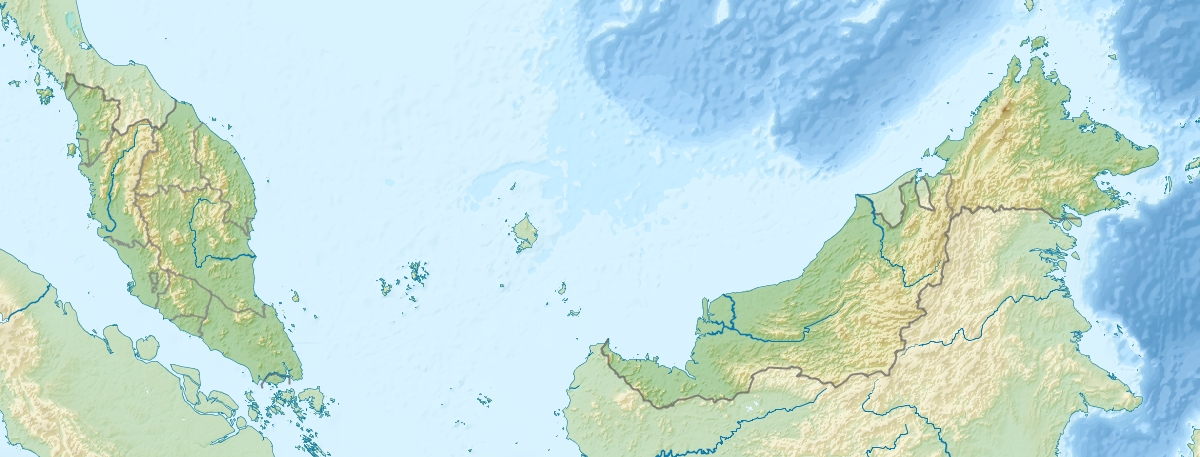
Mount Kinabalu, in Sabah on the island of Borneo, is Malaysia’s highest peak and a globally important site for biodiversity, cultural traditions of indigenous peoples, and protected-area conservation.
Overview
Mount Kinabalu rises in the Malaysian state of Sabah on the island of Borneo. At about 4,095 metres above sea level it is the highest mountain in Malaysia and one of the most prominent peaks in Southeast Asia. The summit area is dominated by granite massifs and steep cliffs that create dramatic vertical relief over a relatively short horizontal distance, producing sweeping views on clear days and challenging terrain for climbers and researchers.
Image gallery
10 Images


Geology and climate
The mountain is the exposed core of an uplifted granitic intrusion, shaped by weathering and erosion. Elevation creates marked climatic zones: warm tropical lowlands give way to cool montane forests and, near the summit, subalpine and alpine vegetation. Weather is changeable and can be wet and cold above the treeline, contributing to diverse microhabitats.
Biodiversity and scientific importance
Kinabalu Park, which protects the mountain and surrounding landscape, is celebrated for exceptional species richness and high levels of endemism. The park supports thousands of plant species, including many orchids, ferns and several species of carnivorous pitcher plants, alongside a varied bird and insect fauna. These steep environmental gradients make the mountain a valuable natural laboratory for studies of ecology, evolution and biogeography.
Cultural significance
Local indigenous peoples regard the mountain as culturally and spiritually important. The name Kinabalu is associated in local languages with ancestral spirits and sacred places. Indigenous groups such as the Kadazan and related communities feature in the human history of the region, and oral traditions, place names and seasonal practices reflect a deep relationship between people and the mountain landscape.
Conservation and protected status
Kinabalu Park is a protected area and was recognised as the country’s first World Heritage site for its outstanding biodiversity and conservation value. Park management seeks to balance protection of habitats and species with sustainable visitor access. Conservation priorities include habitat protection, scientific monitoring and community engagement in stewardship.
Tourism and practical information
Climbing is possible along established routes; the most frequently used approach begins at the Timpohon entrance and follows a managed trail network with rest points. Visitors must register and usually hire park guides; weather and altitude require appropriate clothing and preparation. Respect for local customs and park rules helps reduce impacts on fragile ecosystems.
Further resources
For regional context see materials about Borneo and for national information consult Malaysian authorities on protected areas in Malaysia. Conservation organisations and park literature provide additional guidance for researchers and visitors interested in Mount Kinabalu’s natural and cultural values.
Questions and answers
Q: Where is Mount Kinabalu located?
A: Mount Kinabalu is located on the island of Borneo in Southeast Asia, in Malaysia.
Q: What is the name of the park that protects Mount Kinabalu?
A: The park that protects Mount Kinabalu is named Kinabalu Park.
Q: What award did Kinabalu Park receive?
A: Kinabalu Park was awarded the country's first World Heritage Site award.
Q: Why is Mount Kinabalu important from a biological perspective?
A: Mount Kinabalu is important from a biological perspective because it has over 5,000 plant species, making it one of the world's most important biological sites.
Q: Who makes their homes at the peak of Mount Kinabalu?
A: The indigenous Kadazan people make their homes at the peak of Mount Kinabalu.
Q: What is the meaning behind the name of Mount Kinabalu?
A: The name "Akinabalu" means "Revered Place of the Dead", which is the origin of the name "Mount Kinabalu".
Q: Is Mount Kinabalu open to visitors?
A: Yes, Mount Kinabalu is open to visitors as it is protected by Kinabalu Park, which is open to the public.
Related articles
Author
AlegsaOnline.com Mount Kinabalu — Malaysia's High Mountain and Biodiversity Landmark Leandro Alegsa
URL: https://en.alegsaonline.com/art/67049
Sources
- mountkinabalu.com : "Introduction: About Mount Kinabalu"
- britannica.com : "Mount Kinabalu"