
Charles J. Guiteau (1841–1882): assassin of President James A. Garfield
Charles J. Guiteau was an American preacher, writer and lawyer who assassinated President James A. Garfield in 1881; his trial and execution raised enduring questions about motive, mental illness and political patronage.
Overview
Charles Julius Guiteau was born on September 8, 1841, in Freeport, Illinois. He worked at various times as a preacher, itinerant lecturer, self-published writer and occasional lawyer. Guiteau is chiefly remembered for assassinating President James A. Garfield on July 2, 1881, an act that ended in his conviction and execution the following year. His behavior before and after the killing, and questions about his mental state, made the case a focal point in late 19th-century debates about criminal responsibility.
Image gallery
10 Images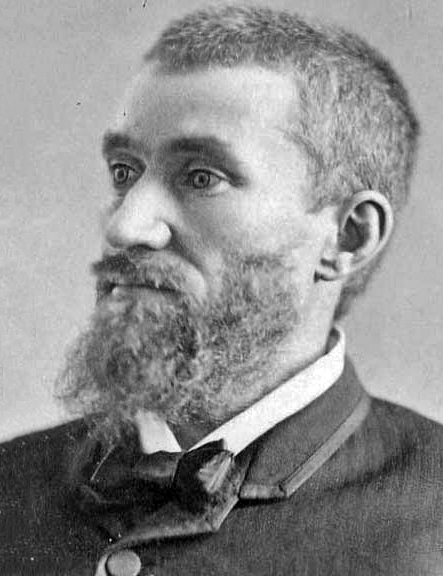


Early life and activity
Guiteau grew up in the Midwest and moved frequently as a young man, attempting careers in ministry, law and politics. He produced numerous pamphlets, speeches and letters—some published and some never delivered—and cultivated a reputation for bombastic self‑promotion. He sought official appointments and professed to have played a pivotal role in securing the 1880 election for Garfield, although contemporaries discounted his claims. Several of his public writings and drafts are still cited when historians discuss his personality and motives; Guiteau also composed a short speech about Garfield he never delivered (writings).
Assassination and motive
On July 2, 1881, at a railway station in Washington, D.C., Guiteau shot President Garfield. He later said he had acted to advance a political faction and because he believed he was owed a diplomatic post; he also invoked religious justification. The president did not die immediately but suffered from wounds and subsequent infections, and he died on September 19, 1881. The shooting highlighted the era's contentious system of patronage and factional political disputes.
Trial, conviction and execution
Guiteau's trial became a national spectacle. His lawyers raised an insanity defense, and much of the proceedings turned on whether Guiteau was legally sane and therefore culpable. Witnesses and medical experts debated his mental condition. The jury found him guilty of murder; he was sentenced to death and executed by hanging on June 30, 1882, in Washington, D.C. The trial influenced later legal and medical discussions about criminal responsibility.
Legacy and significance
Historians look to Guiteau's case for what it reveals about politics, popular culture and the law in the Gilded Age. His act produced immediate political consequences—Vice President Chester A. Arthur succeeded Garfield—and contributed to reform movements aimed at curbing patronage. Guiteau remains a figure studied in accounts of presidential security, 19th‑century political life and the history of the insanity defense.
Notable facts
- Born in Freeport, Illinois, in 1841.
- Shooted President James A. Garfield on July 2, 1881.
- Executed in Washington on June 30, 1882.
Questions and answers
Q: Who is Charles J. Guiteau?
A: Charles J. Guiteau was an American writer and lawyer, who is best known for assassinating US President James A. Garfield in 1881.
Q: What was Guiteau's motive for assassinating President Garfield?
A: Guiteau was angry with Garfield for not giving him credit for his victory in the 1880 election.
Q: Did Guiteau ever give a speech about Garfield?
A: No, even though Guiteau had written a speech about Garfield, he never delivered it.
Q: Where was Guiteau born?
A: Guiteau was born in Freeport, Illinois.
Q: What were some of Guiteau's professions?
A: Guiteau was a preacher, writer, and lawyer.
Q: Was Guiteau found guilty in a court of law?
A: Yes, Guiteau was found guilty in a court of law.
Q: How was Guiteau executed?
A: Guiteau was executed by hanging in Washington, D.C.
Author
AlegsaOnline.com Charles J. Guiteau (1841–1882): assassin of President James A. Garfield Leandro Alegsa
URL: https://en.alegsaonline.com/art/136356