
James G. Blaine: 19th-Century American Statesman and Republican Leader
Overview of James G. Blaine (1830–1893), prominent Republican: Speaker of the House, U.S. Senator from Maine, twice Secretary of State, 1884 presidential nominee, and architect of early Pan‑American policy.
James Gillespie Blaine (January 31, 1830 – January 27, 1893) was a leading 19th‑century American politician and member of the Republican Party. During a long public career he served in the U.S. House of Representatives, becoming Speaker of the House; he later represented Maine in the Senate as a U.S. Senator. He held the post of Secretary of State on two occasions and was the Republican nominee for president in 1884. Contemporary descriptions often emphasize his political skill, ambition, and influence on both domestic party politics and the early direction of American diplomacy (politician).
Image gallery
10 Images


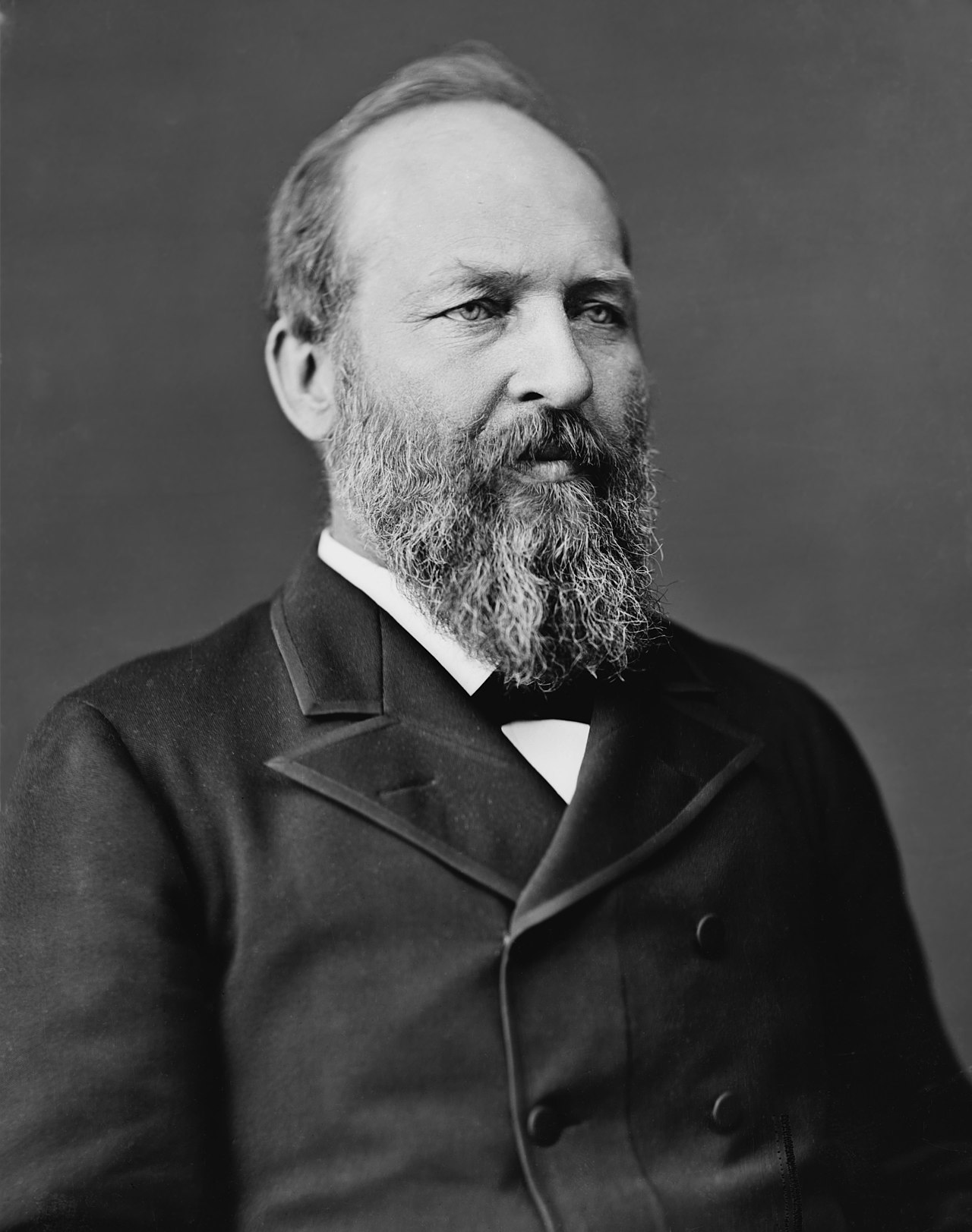

Political rise and congressional leadership
Blaine entered national politics in the 1860s and quickly became a prominent voice in Congress. He led the House as Speaker in the years following the Civil War and was associated with the moderate reform wing of the Republican Party. As Speaker he presided over major legislative debates of the Reconstruction era and helped shape party strategy and patronage networks.
Senate service and party influence
After election to the Senate from his native Maine, Blaine continued to be a central figure in Republican factional politics. He was identified with the so‑called "Half‑Breed" faction that favored civil service reform and a more conciliatory approach toward political opponents than the party’s conservative "Stalwart" wing. His leadership made him a national figure and positioned him as a likely presidential contender.
Secretary of State and foreign policy
Blaine served twice as Secretary of State, where he advocated a more active American role in hemispheric affairs. He promoted trade and diplomatic cooperation among American republics, sponsoring efforts that contributed to the first Pan‑American Conference. His policy mix combined commercial expansion, protection of U.S. interests, and a preference for influence in the Western Hemisphere rather than direct territorial conquest.
1884 presidential campaign and controversies
In 1884 Blaine won the Republican nomination for president but lost the general election in a close and bitter contest. His campaign was damaged by allegations of improper influence and financial dealings—well‑known scandals of the era—that opponents used to question his integrity. Those controversies, along with sharp partisan attacks, helped hand the victory to his Democratic rival.
Legacy and historical assessment
Blaine’s legacy is mixed: he is remembered as an energetic organizer, skilled orator, and an early architect of U.S. policy toward Latin America, yet his reputation was impaired by ethics controversies that shaped public perceptions. Historians credit him with advancing the role of the United States in hemispheric diplomacy and with helping to transform Republican politics in the late 19th century. For further reading on his life and career see contemporary biographies and collections of his papers.
- Key offices: Speaker of the House, U.S. Senator from Maine, Secretary of State.
- Notable moment: 1884 Republican presidential nominee.
- Diplomatic contribution: early Pan‑American initiatives and promotion of hemispheric cooperation.
Author
AlegsaOnline.com James G. Blaine: 19th-Century American Statesman and Republican Leader Leandro Alegsa
URL: https://en.alegsaonline.com/art/140259