
Monoclonius — a doubtful ceratopsid dinosaur genus
Monoclonius is a historically named ceratopsid dinosaur from Late Cretaceous North America. Once described in 1876, it is now considered dubious and likely represents juvenile or misidentified material of other centrosaurines.
Overview
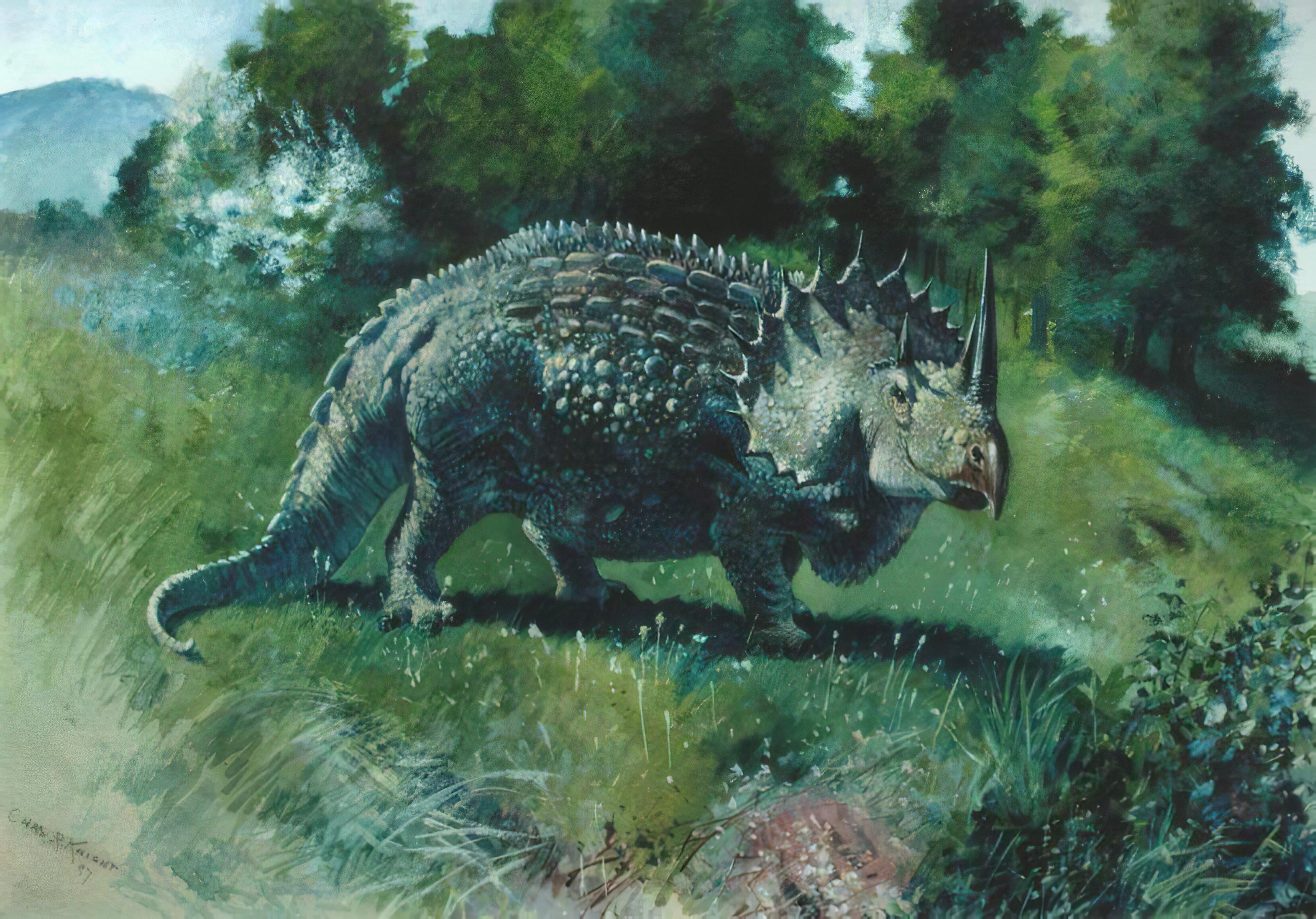
Monoclonius is the name given to a ceratopsid dinosaur first described in the 19th century. The fossils attributed to this genus come from what is now North America and date to the Upper Cretaceous. Historically portrayed as a horned, beaked herbivore, Monoclonius has been central to early debates about centrosaurine diversity and how to interpret juvenile versus adult features in horned dinosaurs.
Image gallery
10 Images



Discovery and name
The genus was named by the American paleontologist Edward Drinker Cope in 1876 after fossils were recovered in Montana. The original type material included a relatively complete skeleton missing only the feet, with parts of the skull and the base of a nasal horn. The name Monoclonius means "single stem," a reference to the single-root structure of its teeth as interpreted by early workers.
Morphology and interpreted characteristics
Specimens assigned to Monoclonius were interpreted as medium-sized horned dinosaurs with a parrot-like beak, cheek teeth arranged for shearing vegetation, and cranial ornamentation including a nasal horn and frill. Much of this reconstruction comes from incomplete and fragmentary material. The teeth and jaw structure indicate a herbivorous diet, typical of ceratopsids, while the skull remains show the beginnings of the elaborate frill and horn features that characterize centrosaurines.
Taxonomic controversy and current view
Monoclonius is widely regarded today as a nomen dubium — a doubtful name. Several factors contribute to this assessment: the type specimens are incomplete, key features may represent juvenile anatomy rather than distinct species-level characters, and many Monoclonius fossils closely resemble better-established genera. In particular, many researchers view Monoclonius material as indistinguishable from juveniles or variants of Centrosaurus and other centrosaurines. Consequently, Monoclonius is rarely used as a valid genus in modern ceratopsian reviews.
Why its status is uncertain
- Type material is fragmentary and lacks uniquely diagnostic adult characteristics.
- Juvenile ceratopsids show substantial changes during growth, complicating identification.
- Subsequent finds from the same formations have been reassigned to other genera after detailed comparisons.
Importance and legacy
Although its taxonomic validity is doubtful, Monoclonius played a significant role in the early history of North American paleontology. The name appears in historical accounts and museums and helped stimulate study of horned dinosaurs. Modern work on centrosaurine growth, variation, and taxonomy has been shaped in part by attempts to resolve taxa like Monoclonius. For basic background on ceratopsids and the history of their study, see general overviews of the ceratopsid group and broader summaries of dinosaur paleontology. Further regional context can be explored through resources on North American Late Cretaceous faunas and the stratigraphy of areas such as Montana and adjacent provinces.
Related articles
Author
AlegsaOnline.com Monoclonius — a doubtful ceratopsid dinosaur genus Leandro Alegsa
URL: https://en.alegsaonline.com/art/66097