
Mill (currency)
A mill (also mil or mille) is one thousandth of a US dollar (one‑tenth of a cent). Used mainly for fuel pricing, property tax rates and utility billing, it remains a practical accounting unit rather than a circulated coin.
A mill, often spelled mil or mille, is a monetary subdivision equal to one one‑thousandth of a United States dollar (0.001 USD) or one‑tenth of a United States cent. In other words, 1 mill = $0.001, which is 0.1¢. The term provides a convenient way to express amounts smaller than a cent without resorting to fractional cents and is tied to the US dollar unit.
Image gallery
4 Images
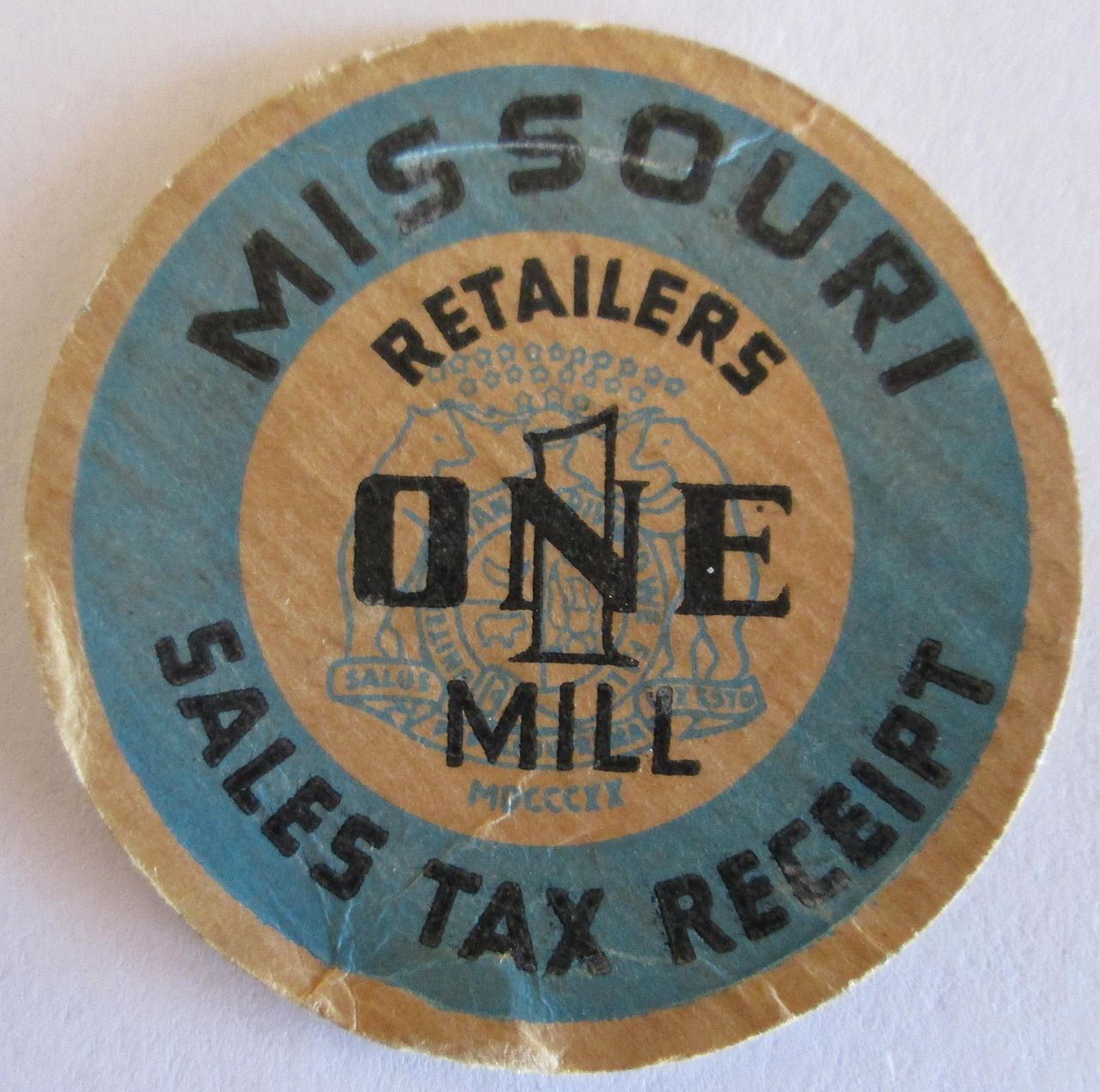


Name and form
The word "mill" derives from the idea of a thousandth (from Latin roots meaning a thousandth part). Although it is a recognized monetary unit in accounting and law, the United States government has not issued a circulating coin denominated in mills. The mill functions mainly as a notional or accounting unit for pricing, rates, and tax calculations rather than as physical currency.
Common uses and examples
One of the most visible uses of the mill in daily life is retail fuel pricing. Many gasoline stations display pump prices that include a fraction of a cent — historically shown as an extra digit — which represents tenths of a cent (mills). For example, a price posted as $4.119 per gallon indicates four dollars, 11 cents, and 9 tenths of a cent; that final 9 is nine mills (i.e., $0.009). This fractional display is a marketing and competitive pricing convention rather than a reference to minted money. See typical discussions of fuel pricing at gasoline pricing.
Property taxation commonly uses mills to express tax rates. A tax rate might be stated as a number of mills per dollar of assessed value; for example, 20 mills equals $0.020 per $1 of assessment (2.0%). This mill-rate notation makes it straightforward to compute tax liability from assessed values. Municipal and school tax rate tables frequently show rates in mills; for more on tax usage see property tax references.
Electric utilities and other service providers sometimes quote rates in mills per unit (for instance, mills per kilowatt‑hour). Presenting small incremental charges in mills simplifies billing calculations when amounts fall below one cent. For background on rate units in utilities see utility pricing.
Calculations and distinctions
- Conversion: 1 mill = $0.001 = 0.1¢.
- To convert mills to cents, divide by 10 (e.g., 15 mills = 1.5¢).
- Mills are an accounting convenience: they permit exact arithmetic for rates and taxes without issuing a dedicated coin.
Although the mill is little used in everyday cash transactions because coins and bills are denominated in whole cents and dollars, it remains a useful unit in finance, taxation, and utilities. For historical and technical discussions of fractional currency and monetary units see general references on cents and the cent system.
Related articles
Author
AlegsaOnline.com Mill (currency) Leandro Alegsa
URL: https://en.alegsaonline.com/art/65002