
Cent (currency unit)
A cent is a common monetary subunit equal to one one‑hundredth of a primary currency unit, used under names such as cent, centime, centavo or penny and present in many decimal systems.
The cent is a monetary subunit commonly defined as one one‑hundredth of a primary currency unit. It is a feature of many decimal currency systems and often serves as the smallest unit used for pricing, accounting and cash transactions. In general usage the term is linked to the broader practice of dividing a main currency unit into 100 parts, as seen in many currencies, where the cent functions as a minor monetary unit.
Image gallery
4 Images


Names and forms
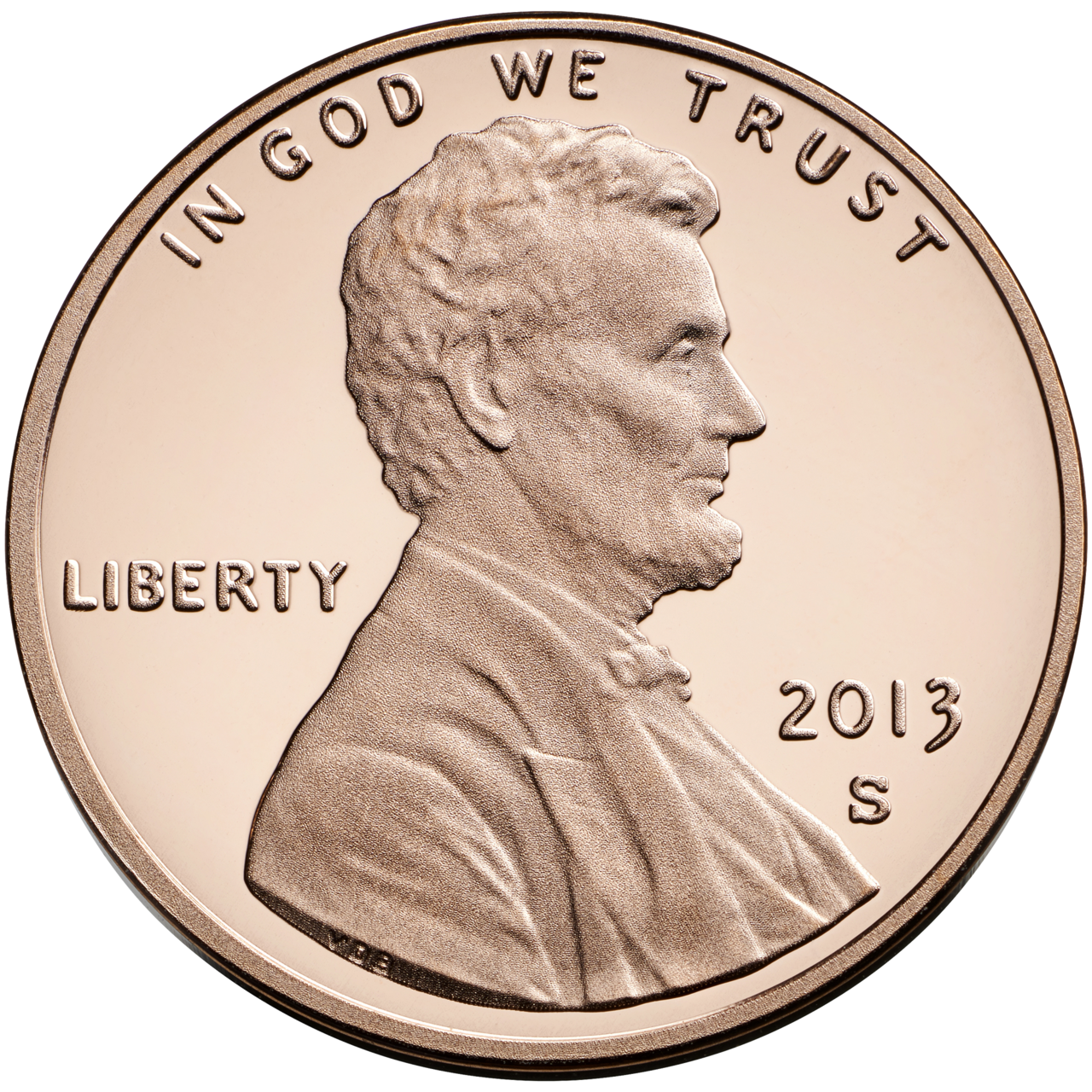
Different languages and regions use different names for the hundredth part: common forms include cent, centime, centavo and, in some English usages, penny. In the United States the 1/100 unit is usually called the penny in everyday speech; the U.S. one‑cent coin commonly bears a portrait of Abraham Lincoln and is often referred to simply as the penny.
Characteristics
Cents may exist as physical coins, as bookkeeping units without a coin, or both. Their size, metal composition and design vary by issuing authority and have changed over time in response to metal prices and minting costs. Where the purchasing power of the cent falls very low, governments may decide not to mint the smallest denominations.
Contemporary practice
When low‑value cent coins are withdrawn, cash transactions are commonly rounded to the nearest available coin, while electronic payments continue to account to the cent. This rounding is governed by national rules and affects pricing, cash handling and accounting practices. Some countries have publicly discussed or implemented such changes to reduce production costs and simplify cash circulation.
Historical note
The term derives from Latin centum, meaning one hundred, and became widespread with the adoption of decimal monetary systems from the 18th century onward. Different historical and linguistic traditions produced the variety of names used today.
Tags
Related articles
Author
AlegsaOnline.com Cent (currency unit) Leandro Alegsa
URL: https://en.alegsaonline.com/art/17954