
Military alliance
A formal agreement between states to cooperate on defence and military matters, typically pledging mutual assistance and shaping security policy, organization, and regional stability.
Overview
A military alliance is a formal agreement among sovereign states to consult, coordinate, or act together on matters of defence and security. Such pacts are created with the express aim of addressing military threats, deterring aggression, and, in many cases, providing for mutual assistance if a member is attacked. They range from informal understandings to legally binding treaties.
Image gallery
2 Images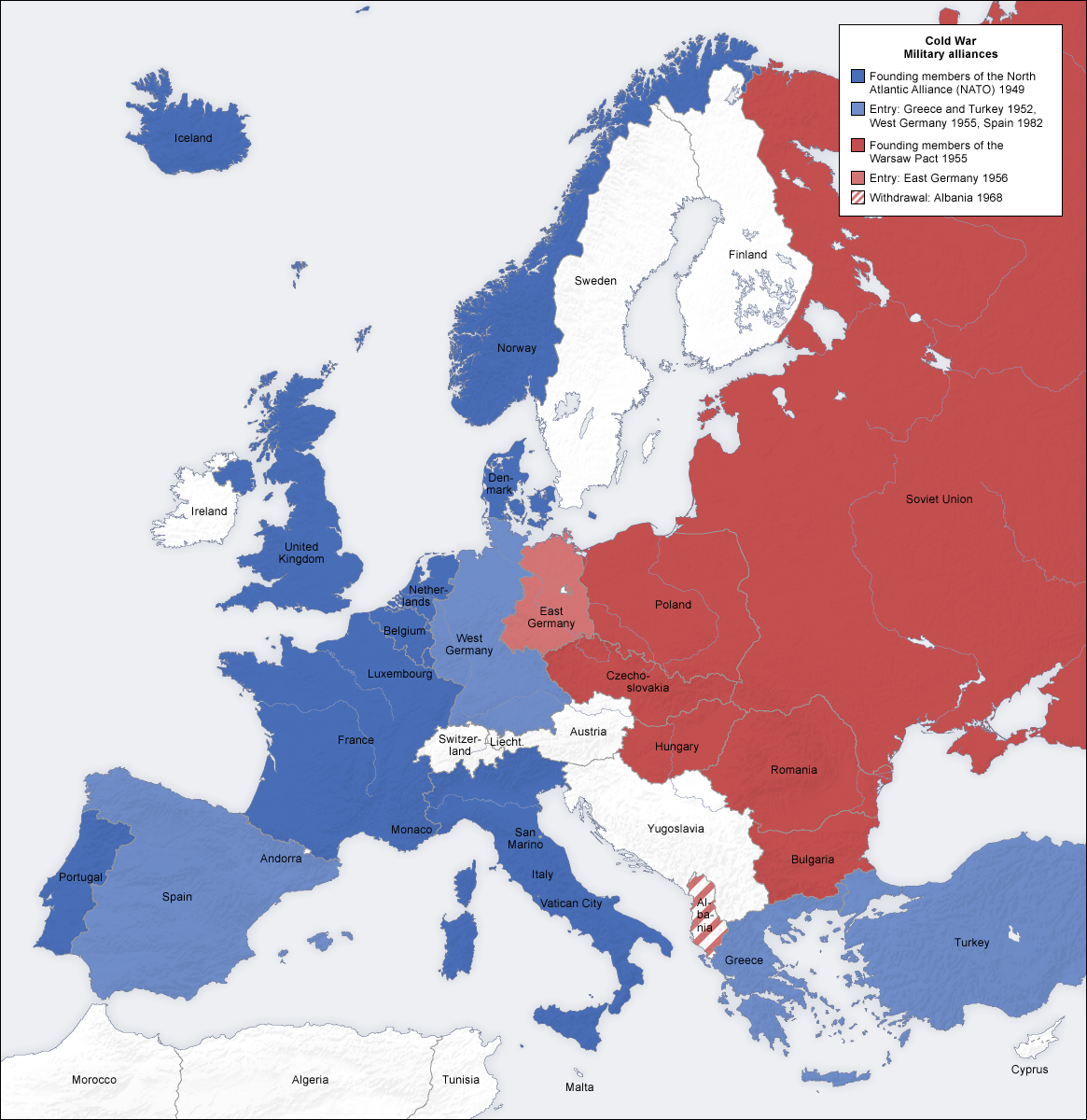

Key characteristics
Alliances typically define membership obligations, command arrangements, and decision-making procedures. Common elements include collective-defense clauses, commitments to share intelligence or logistics, permanent or ad hoc command structures, and mechanisms for consultation. The degree of integration varies: some alliances coordinate limited military support while others develop joint planning, exercises, and interoperability standards.
History and development
Military alliances have existed for centuries as states sought partners to balance rivals and protect interests. In the modern era, alliances became more institutionalized with written treaties and standing organizations. Notable 20th-century examples illustrate how alliances can shape global politics, influence arms planning, and create enduring security blocs.
Purposes and examples
Alliances serve several purposes: deterrence against potential attackers, burden-sharing of defence costs, pooling of capabilities, and political signaling to allies and adversaries. Examples include multilateral defence pacts and regional partnerships. Some alliances emphasize collective defense; others focus on crisis management, counterterrorism, or cooperative training.
Structure and types
- Collective-defense alliances: members pledge to treat an attack on one as an attack on all.
- Consultation or non-binding partnerships: commitments to coordinate without explicit military obligation.
- Coalitions of the willing: temporary groupings formed for a specific operation or crisis.
Notable distinctions and considerations
Alliances affect national sovereignty to varying degrees and can produce security dilemmas: they may deter aggression but also provoke counter-alliances. Effectiveness depends on credibility of commitments, cohesion among members, interoperability of forces, and political will. Changes in threat perception, domestic politics, or alliance leadership can alter their purpose and longevity.
Related articles
Author
AlegsaOnline.com Military alliance Leandro Alegsa
URL: https://en.alegsaonline.com/art/64960