
Military aircraft: types, roles, and development
Overview of military aircraft, their main types and roles, design features, historical development, and modern trends including jets, helicopters, and unmanned systems.
A military aircraft is an airplane or rotorcraft operated by armed forces for defense, combat, and support missions. These vehicles are designed or modified specifically for military use and differ from civilian aircraft in equipment, construction standards, and operational doctrine.
Image gallery
10 Images
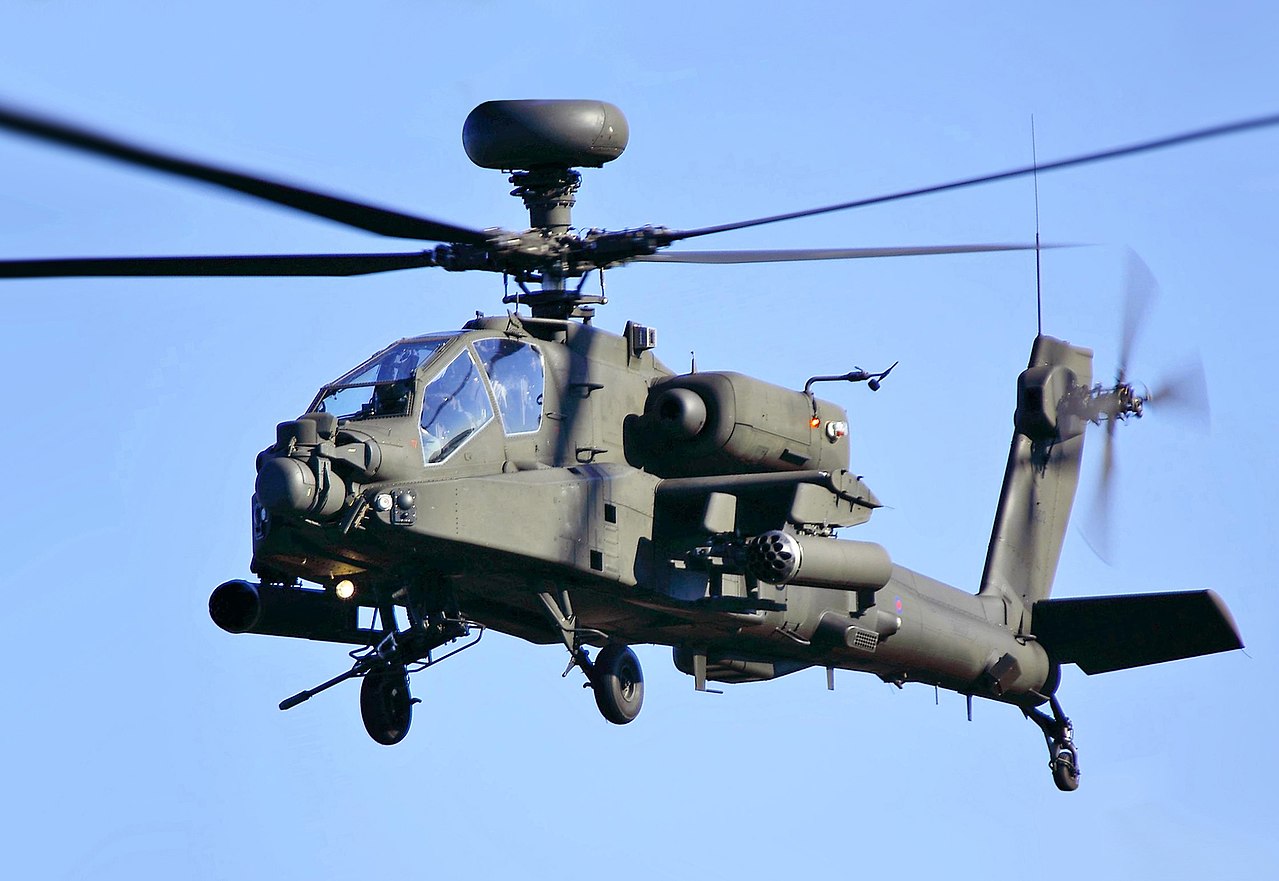


Primary types and configurations
Military aircraft fall into several broad categories: fixed-wing (fighters, bombers, transports), rotary-wing (helicopters and tiltrotors), and unmanned aerial vehicles (UAVs or drones). Within each group there are further specializations such as carrier-capable aircraft, turboprop transports, supersonic interceptors, and long-endurance reconnaissance platforms.
Common roles and mission profiles
- Air superiority and interception: fighters and interceptors designed to control the airspace.
- Strike and close air support: attack aircraft and multirole fighters that engage ground targets.
- Strategic and tactical lift: transports and aerial refueling tankers for logistics and power projection.
- Intelligence, surveillance, and reconnaissance (ISR): platforms equipped with sensors for battlefield awareness.
- Electronic warfare and command: aircraft carrying systems to disrupt adversary sensors and communications.
Different missions drive distinct design trade-offs: speed and maneuverability for fighters, payload and range for bombers and transports, and endurance and stealth for ISR and strike roles.
Historical development and notable trends
Military aviation began in the early 20th century and expanded rapidly through two world wars, which accelerated advances in engines, aerodynamics, and weapon systems. The jet age after World War II transformed performance and tactics. Helicopters introduced vertical lift and close support capabilities, while recent decades have seen the rise of stealth shaping, precision-guided munitions, networked sensors, and unmanned systems that perform high-risk or long-duration tasks.
Today, modern air forces operate mixed fleets to balance cost, capability, and survivability. Ongoing trends include integration of artificial intelligence for mission planning, increased use of remotely piloted and autonomous aircraft, and emphasis on electronic defenses and survivability against advanced air defenses.
While military aircraft share technology with civil aviation, they are distinguished by specialized mission equipment, structural reinforcements, and certification tied to defense requirements. For further reading on organization, doctrine, and technical standards, see sources maintained by defense authorities and aviation research institutions.
Related articles
Author
AlegsaOnline.com Military aircraft: types, roles, and development Leandro Alegsa
URL: https://en.alegsaonline.com/art/64959