
Military camp: structure, history and uses
An overview of military camps — temporary and semi-permanent field sites used to house, support and operate armed forces away from permanent installations; covers layout, types, historical development and modern roles.
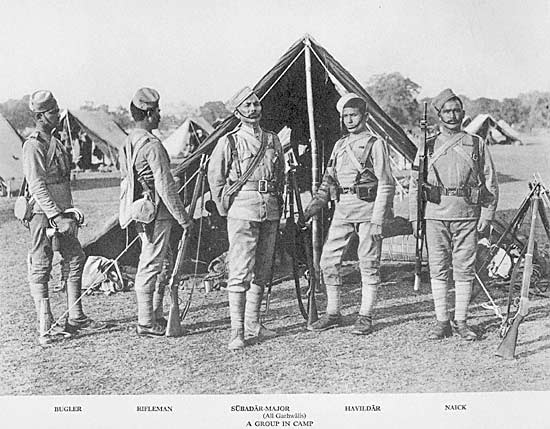
A military camp is a site established to support a mobilized army or other armed unit when it operates away from a permanent installation. Camps may be short-lived bivouacs for an overnight halt or more developed cantonments and base camps that remain in place for weeks or months. They provide shelter, command and communications facilities, logistics and medical care required to sustain personnel, vehicles and equipment during training, deployment or operations.
Image gallery
9 Images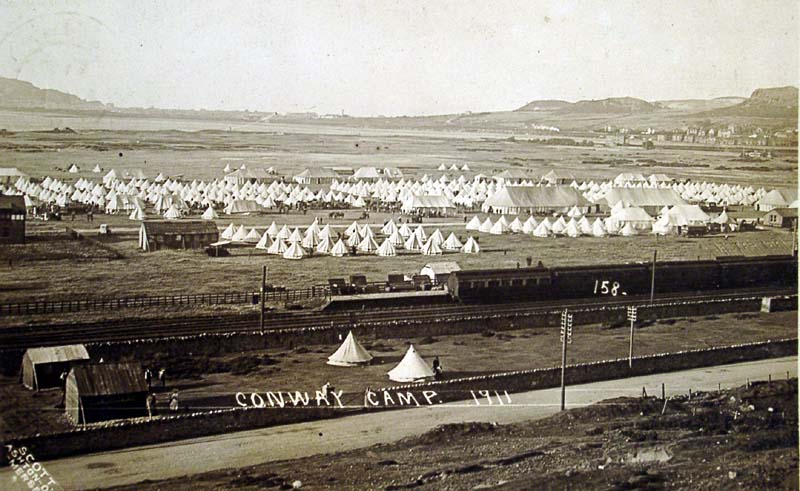



Typical components and layout
Although layouts vary with mission, terrain and available materials, most camps include sleeping areas, a command post or headquarters, supply and maintenance sections, medical treatment facilities, food preparation and dining arrangements, sanitation and waste-disposal systems, and water and fuel points. Traffic circulation, parking for vehicles, and routes for resupply shape internal organisation. Defensive measures such as perimeter control, observation posts, patrol routes and barriers are planned according to threat and rules of engagement.
Common types and distinctions
- Bivouac: a light, often temporary shelter used for brief halts, patrols or overnight stops.
- Base camp / staging area: a more developed facility supporting extended operations; typically associated with a permanent base or logistic network.
- Cantonment: a semi-permanent camp used for training, garrisoning troops or housing units in peacetime.
- Forward operating base (FOB): a protected position established to project forces toward an operational area, often with hardened defences and quick reaction forces.
Historical development
Field encampments have ancient origins. Professional armies developed standardised patterns to improve discipline, logistics and defence. In the Roman era, systematic construction allowed an entire legion to be housed with designated streets, headquarters, workshops and defensive ditches, using repeatable plans that could be erected rapidly. Archaeological research has exposed many details of these forts and marching camps in regions such as England and Scotland, informing our understanding of organisation and daily life in antiquity.
Camp life, health and logistics
Maintaining the health and effectiveness of personnel in camp requires attention to shelter, hygiene, food safety and water quality. Field sanitation reduces disease risk, while medical sections provide triage and evacuation for casualties. Logistics — including food, fuel, ammunition and spare parts — are crucial; efficient supply chains and secure storage mitigate shortages. Training in camp covers fieldcraft, communications, maintenance and rapid deployment procedures. Military doctrine emphasises minimizing environmental impact and protecting local civilian populations when camps are near inhabited areas.
Modern roles and considerations
Modern camps support a range of activities: large-scale training exercises, expeditionary operations, disaster relief, refugee or internally displaced persons support, and peacekeeping. Engineering and force-protection measures evolve with technology: temporary hardened shelters, electronic surveillance, power generation and water purification systems increase sustainment and survivability. Legal, environmental and diplomatic factors — including host-nation agreements when operating abroad — influence how long camps remain and what facilities are permitted. For practical guidance see materials on training doctrine and historical studies such as those addressing Roman field logistics.
Further reading typically covers camp construction, field hygiene, logistics planning and the archaeological record of historical encampments; specialised manuals and published surveys expand on the basic topics summarised here.
Related articles
Author
AlegsaOnline.com Military camp: structure, history and uses Leandro Alegsa
URL: https://en.alegsaonline.com/art/64963
Sources
- en.wikisource.org : "Bivouac"
- historic-uk.com : "Roman Sites in Britain"