
Military camouflage: purpose, patterns and uses
Camouflage is the use of patterned clothing, coverings and paint to reduce visibility of personnel, weapons and equipment. This article explains types, history, practical uses and distinguishing features.
Overview
Military camouflage refers to garments, coatings and surface patterns used to reduce the visibility of personnel and equipment. It combines color, shape disruption and texture to make soldiers, vehicles and positions harder to detect at a distance or by observation. Modern practice applies camouflage to clothing, nets, paint and field gear to achieve concealment across environments.
Image gallery
10 Images




Characteristics and design
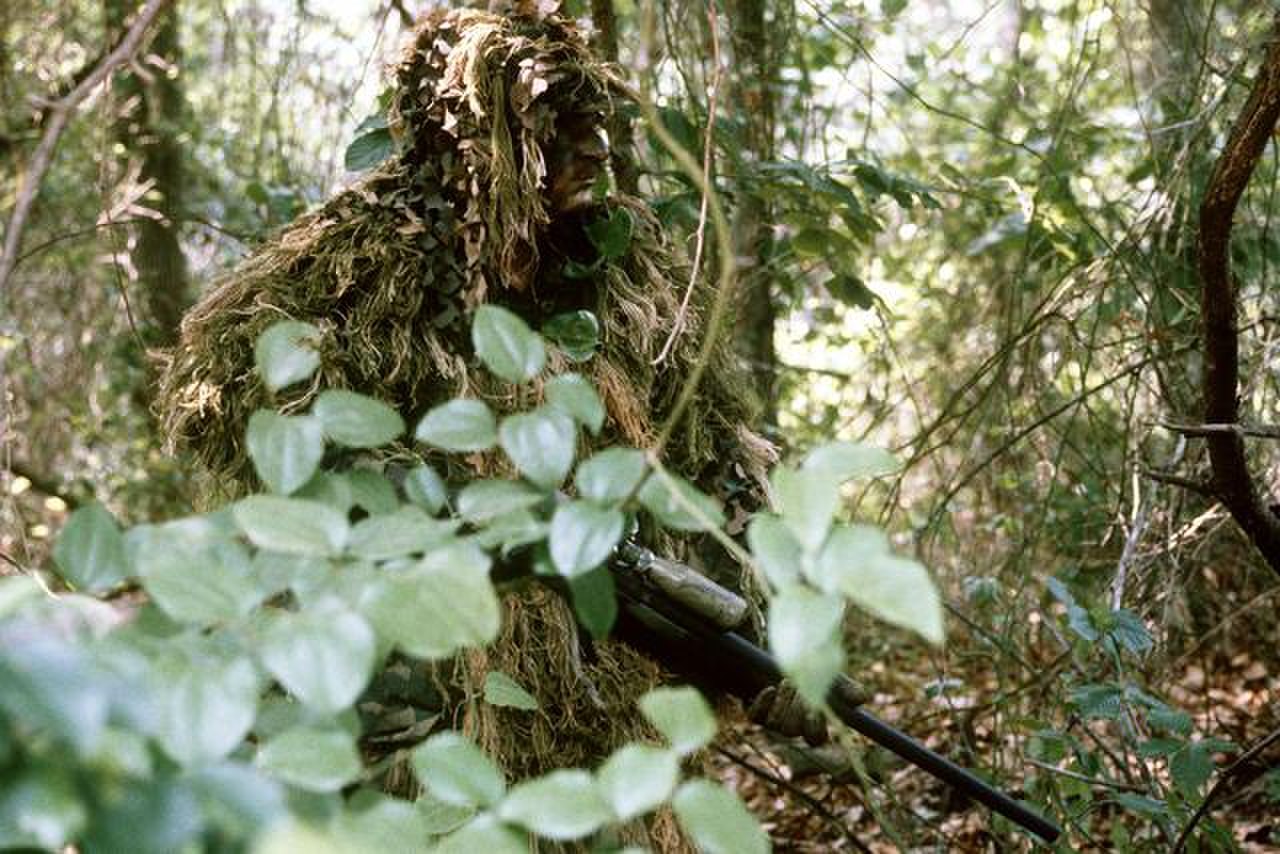
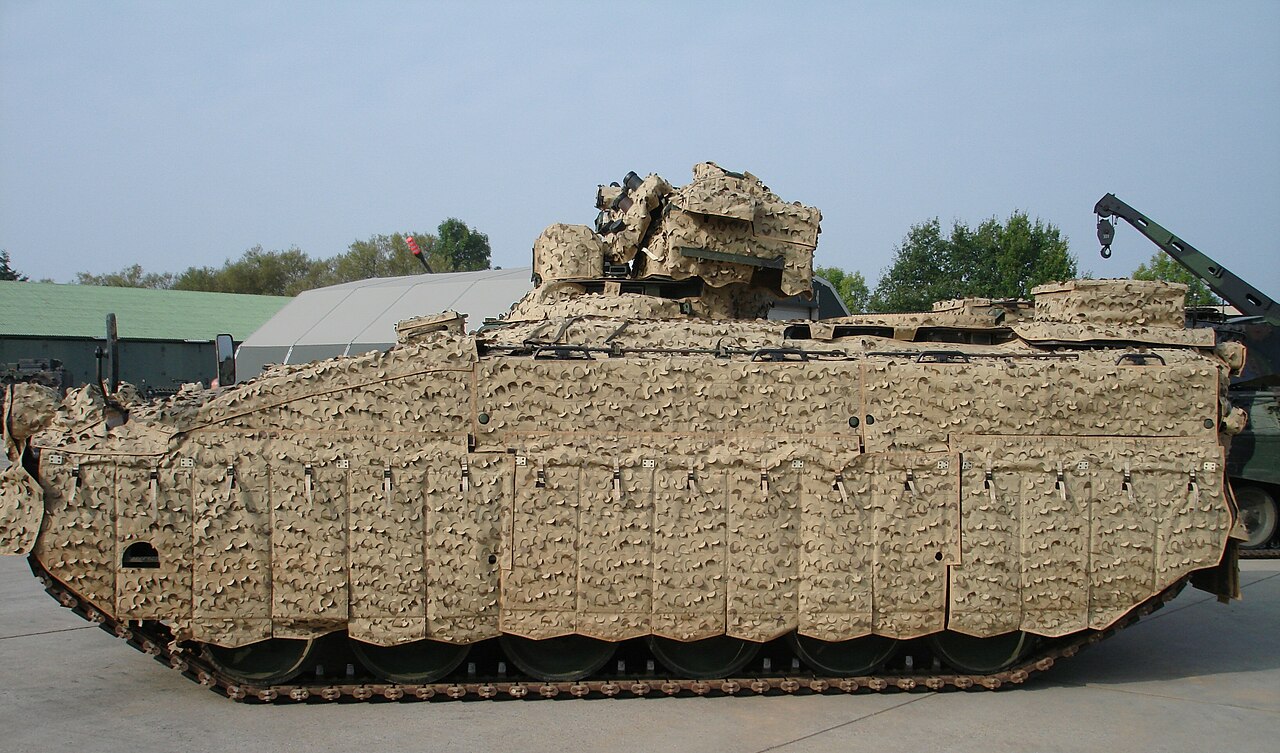
Camouflage relies on several design approaches. Disruptive patterns break up an object's outline; mimetic schemes copy dominant colors of terrain; and countershading reduces perceived three‑dimensional form. Patterns may be printed on uniform fabric, applied as paint to weapons and structures, or woven into coverings for concealment. They are chosen to hide personnel, soldiers, and specific weapons including artillery in different seasons and light conditions.
History and development
Camouflage has roots in nature and in early military attempts to blend with local terrain. Beginning in the late 19th and early 20th centuries, armies adopted non‑uniform clothing and painted vehicles. During large 20th‑century conflicts, pattern development accelerated to meet new detection threats such as aerial observation and photography, producing a variety of specialized schemes and later digital designs.
Uses and practical examples
Beyond uniforms, camouflage is applied to military vehicles, gun positions and installations. Hunters and wildlife observers also use patterned gear; recreational and commercial camouflage clothes are common for concealment during field sports and research. Nets, screens and improvised coverings extend concealment beyond clothing, while specialized garments such as ghillie suits provide close‑range masking.
Notable distinctions and modern trends
Camouflage should be distinguished from simple concealment or protective coloring: it is a deliberate combination of color, scale and arrangement to defeat human or optical detection. Recent advances include multi‑environment patterns, infrared‑reflective materials and digital pixelated designs that work at multiple ranges. Designers balance visibility reduction in one context against the risk of standing out in another, so militaries select patterns to match expected terrain and mission needs. The variety of colored patterns reflects this tradeoff, while civilian demand drives availability for hunting and outdoor applications.
- Common applications: uniforms, vehicle paint, nets, ghillie suits.
- Key goals: disruption, mimicry, and reduction of detectable signatures.
- Considerations: environment, seasonality and detection technology.
For further reading on procurement, pattern testing and textile treatments, consult technical sources and military field manuals that address concealment doctrine and material specifications. Many national forces publish non‑classified summaries and imagery for public reference.
Uniforms • Soldiers • Weapons • Artillery • Vehicles • Clothing • Paint • Pattern • Hunting gear
Questions and answers
Q: What is military camouflage?
A: Military camouflage is a type of clothing, fabric covering or painted pattern used by armies and militaries to conceal their soldiers and weapons from the enemy.
Q: What is the purpose of military camouflage?
A: The purpose of military camouflage is to make it harder for enemies to spot soldiers and weapons, by blending in with the surroundings.
Q: What are the different types of military camouflage?
A: There are different types of military camouflage, such as clothing, fabric coverings, and painted patterns, all of which use a colored design to blend in with the surrounding environment.
Q: What is the benefit of using military camouflage?
A: Using military camouflage offers several benefits, including reducing the visibility of troops and machinery, decreasing the likelihood of targeted attacks, and aiding in stealth operations.
Q: Who uses military camouflage?
A: Military forces and armies use military camouflage to conceal their soldiers and weapons from the enemy, as well as for hunting clothes.
Q: What is the colored design used in military camouflage?
A: The colored design used in military camouflage involves blending several colors together to create a pattern that blends in with the surrounding environment.
Q: Is camouflage only used in military operations?
A: No, camouflage is also used for hunting clothes, but its primary purpose is for military and army operations.
Related articles
Author
AlegsaOnline.com Military camouflage: purpose, patterns and uses Leandro Alegsa
URL: https://en.alegsaonline.com/art/64962
Sources
- shipcamouflage.com : Alan Raven - The Development of Naval Camouflage 1914 – 1945
- mitpress2.mit.edu : Roy R. Behrens - Art and Camouflage: An Annotated Bibliography
- wildernessmanuals.com : U.S. Army manual FM 21-76 on camouflage
- college.hmco.com : Guy Hartcup - Camouflage: A History of Concealment and Deception in War (1980)
- lonesentry.com : WWII War Department Field Manual FM 5-20B: Camouflage of Vehicles (1944)
- rddusa.com : History of British Military Uniforms.