
Microvenator — a small, fast Early Cretaceous theropod
Microvenator, meaning "small hunter," was a turkey-sized carnivorous theropod from the Early Cretaceous of what is now Montana, known from fragmentary remains that illuminate early coelurosaur evolution.
Overview
Microvenator ("small hunter") was a small, lightly built bipedal dinosaur that lived in what is now the western United States during the Early Cretaceous. Roughly 1.2 metres (about 4 ft) long, it is often described as "turkey-sized" and was an agile, meat-eating animal. Paleontologists place it among the small-bodied, birdlike theropods that document the early diversification of coelurosaurian dinosaurs and the origins of more derived maniraptorans.
Image gallery
4 Images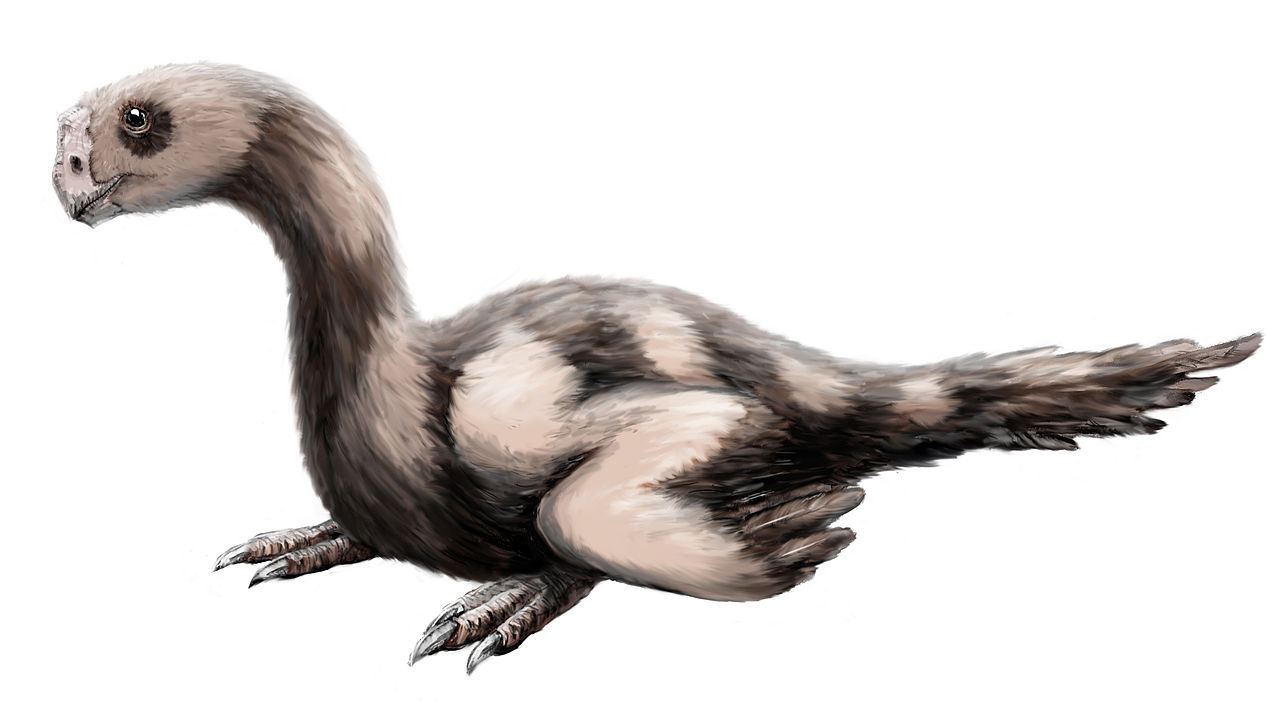


Physical characteristics
Known from incomplete but diagnostic bones, Microvenator had the proportionally long legs and tail typical of active, running predators. Its anatomy suggests a fast, cursorial lifestyle rather than the heavily built posture of larger theropods.
- Size: about 1.2 m (4 ft) in length and light in weight, comparable in mass to a large bird.
- Posture: obligate biped with long hindlimbs and a balancing tail.
- Skull and teeth: relatively small skull and toothed jaws consistent with a carnivorous diet of small vertebrates and invertebrates.
- Limbs: forelimbs adapted for grasping; hindlimbs adapted for speed.
Discovery and classification
Fossils of Microvenator were discovered in sedimentary rocks of the early Cretaceous and have been recovered from deposits in Montana, USA. The type material is fragmentary, which has contributed to debate about its precise relationships; nevertheless, most researchers agree it belongs to the small-bodied branch of coelurosaurian theropods. Early descriptions and later revisions have placed Microvenator among the taxa that illustrate the stepwise evolution of birdlike features in theropods.
Paleoecology and behavior
Microvenator inhabited floodplain and river-lain environments where it likely hunted small animals, scavenged, or foraged for invertebrates and eggs. Its slender build and long legs indicate a capacity for rapid pursuit or quick bursts of speed, while its dentition implies a meat-based diet. As a small predator it would have occupied a distinct ecological niche alongside larger theropods and herbivorous dinosaurs in the same landscape.
Importance and notable facts
Although known from limited remains, Microvenator is important for understanding diversity among small Cretaceous theropods in North America. Specimens contribute to discussions about early coelurosaur anatomy, locomotion, and the gradual accumulation of birdlike traits. Ongoing study of its bones and comparisons with other small theropods continue to refine its placement within theropod evolutionary trees.
For general context, see references on small theropods and the theropod radiation. More on its size comparisons can be found in public summaries that describe it as turkey-sized. The age of the rocks that yielded Microvenator is part of the Early Cretaceous interval, and key finds were made in Montana in the USA. For general taxonomy and fossil overviews consult materials on small carnivorous dinosaurs related to coelurosaurs.
Related articles
Author
AlegsaOnline.com Microvenator — a small, fast Early Cretaceous theropod Leandro Alegsa
URL: https://en.alegsaonline.com/art/64641