
Midwife toad (Alytes)
Alytes, the midwife toads, are a small genus of European and northwestern African frogs whose males famously carry developing eggs on their bodies until the tadpoles are ready for water.
Overview
The midwife toads belong to the genus Alytes, a group of small, stout amphibians commonly called "midwife toads" because of their unusual parental care. Although their common name includes "toad," they are true frogs and are often discussed among other frog genera. They are best known for the male’s role in carrying eggs until hatching, a behavior that distinguishes them from many other amphibians.
Image gallery
5 Images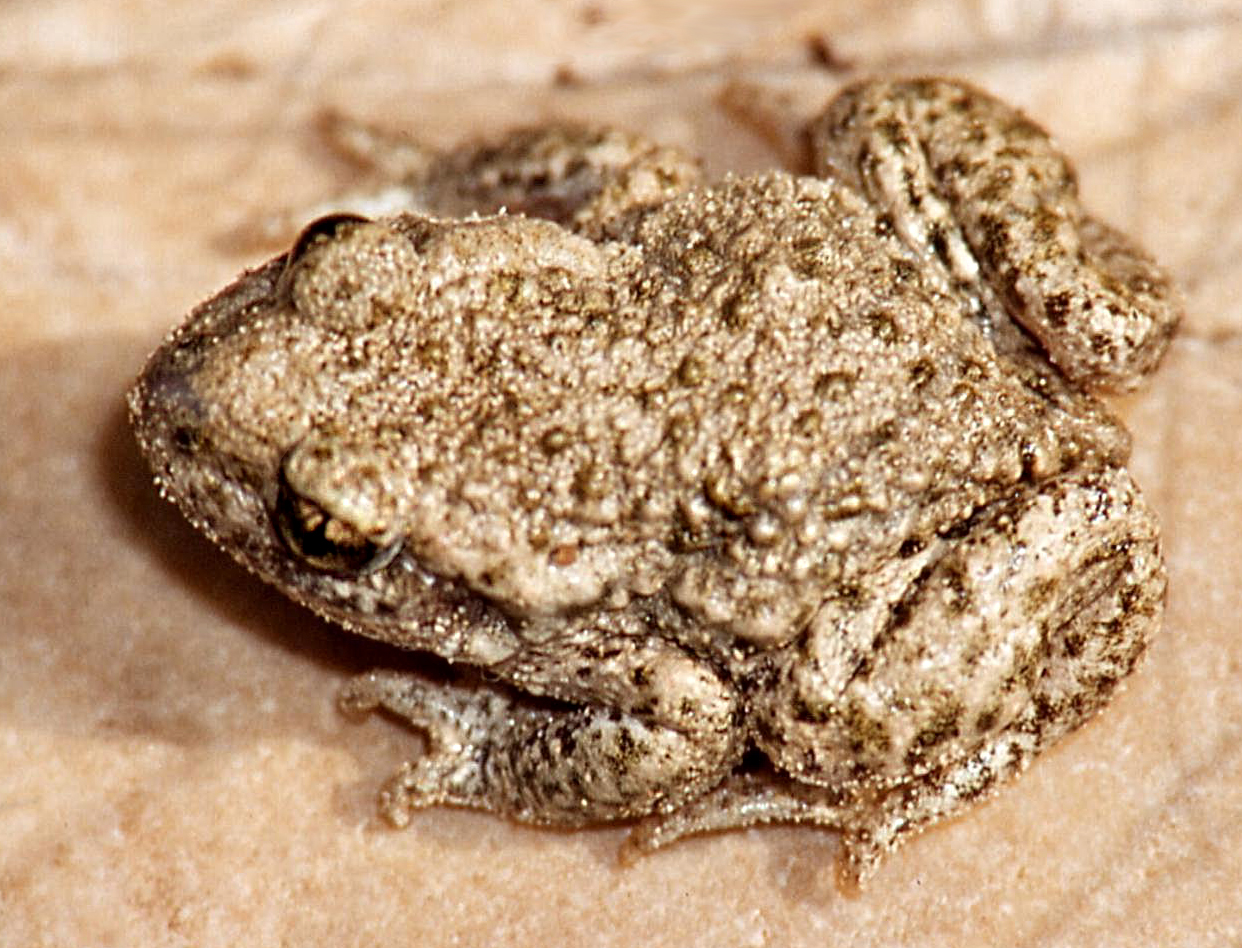


Physical characteristics
Midwife toads are compact, with relatively dry, granular skin and a toad-like appearance. Typical features include a rounded body, short limbs, and cryptic coloration that helps them blend into rocky or leaf-littered habitats. Many species have adapted to a primarily terrestrial lifestyle outside the breeding season and are more active at night.
Reproduction and parental care
One defining trait of these frogs is the male’s role in egg care. After courtship and external fertilization, the male collects the string of fertilized eggs and winds it around his hind legs or waist, carrying them until the embryos approach hatching. He keeps the eggs moist and protected from predators and desiccation, then transports them to water where the tadpoles emerge and swim away. This behavior inspired the common name and is a classic example of paternal care among amphibians.
Distribution and habitat
Species in this genus occur across much of Europe and parts of northwestern Africa. They occupy a range of habitats from dry Mediterranean slopes and rocky outcrops to grasslands and woodlands, often choosing sites with nearby breeding waters such as ponds, slow streams, or man-made reservoirs. Their terrestrial habits outside the breeding season make them sensitive to changes in both land and aquatic environments.
Taxonomy and history
Historically placed in the family Discoglossidae, midwife toads are now commonly treated in closely related families depending on taxonomic schemes; the genus and its relationships have been refined as genetic studies have advanced. There are several recognized species—commonly cited as around seven—that vary in distribution and ecology.
Importance and conservation
Midwife toads play useful ecological roles as insect predators and as indicators of environmental health. Like many amphibians, they face threats from habitat loss, pollution, introduced predators, and disease. Conservation efforts focus on protecting breeding sites, managing terrestrial habitat, and monitoring populations to detect declines early. For further reading on the genus and conservation status, see general references on amphibians and regional species accounts (Alytes overview, frog resources, parental care studies, taxonomic notes, European range, North African range).
Related articles
Author
AlegsaOnline.com Midwife toad (Alytes) Leandro Alegsa
URL: https://en.alegsaonline.com/art/64765