
Mevlevi Order (Whirling Dervishes): Origin, Rituals, and Cultural Legacy
Sufi order founded around the teachings of Jalal-ud-din Rumi, known for the sema whirling ceremony. Origins in 13th-century Konya; notable for music, poetry, symbolic dress, and continuing cultural influence.
The Mevlevi order, often called the Order of the Whirling Dervishes, is a Sufi tarika rooted in the teachings of the 13th-century mystic Jalal-ud-din Rumi, sometimes called Mevlana or Balkhi. It belongs to the broader tradition of Sufism—a mystical current within Islam focused on inward spiritual experience. Rumi was born in the region known as Balkh and his life and work later became associated with the city of Konya in what is today Turkey. Historical accounts also note his ties to the larger cultural world of Afghanistan through heritage and migration.
Image gallery
7 Images



Origins and development
After Rumi's death, his followers and family, including his son Sultan Walad, organized the community of disciples that evolved into the Mevlevi order. The group consolidated in the 13th century around Rumi’s poetry and teachings, especially the Masnavi, which became a central devotional text. Over subsequent centuries the Mevlevi became an influential Sufi fraternity with lodges (tekkes) across Anatolia and beyond.
Rituals and symbolism
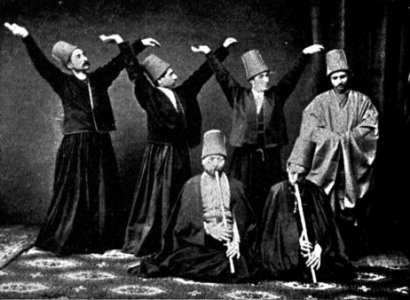
The Mevlevi are best known for the sema, a structured ceremony combining music, recitation, prayer and the distinctive spinning dance. Whirling is performed by musicians and trained dervishes who move in a controlled rotation intended as a form of meditative remembrance. Key symbolic elements include:
- Clothing: tall felt hat (sikke), white robe (tennure) and outer cloak (hırka) representing ego, tomb, and shroud.
- Music and poetry: ney (reed flute), frame drums and vocal recitation accompany Rumi’s poetry to guide the spiritual mood.
- Structure: the sema follows an ordered progression of prayers, silent reflection and stages of whirling.
Importance and modern context
The Mevlevi tradition has been both a living religious community and, more recently, a cultural symbol. After official restrictions on Sufi orders in the 20th century many Mevlevi practices shifted toward cultural preservation and performances for public audiences. The sema ceremony is widely taught, performed and protected as an important cultural heritage element.
Distinctions and contemporary issues
Unlike some Sufi groups that emphasize ascetic withdrawal, the Mevlevi stress music, poetry and aesthetic ritual as routes to the divine. The public performance of sema has raised debates about pilgrimage versus spectacle and about maintaining spiritual depth when ceremonies are presented to tourists. Institutions and scholars work to preserve authentic learning and transmission while recognizing the order’s role in art, literature and interfaith interest worldwide.
For further reading on historical sources, ritual practices and modern preservation efforts see institutional and scholarly resources linked here: Mevlevi tarika overview, Sufism studies, Rumi (Balkhi), Balkh history, regional context, Konya and Turkey.
Related articles
Author
AlegsaOnline.com Mevlevi Order (Whirling Dervishes): Origin, Rituals, and Cultural Legacy Leandro Alegsa
URL: https://en.alegsaonline.com/art/64307