
Missal: liturgical book for the celebration of the Mass
A missal is a liturgical book used in Western Christian rites that contains texts and rubrics for celebrating the Mass; it evolved from early sacramentaries and was standardized in the Roman Church in the 16th century.
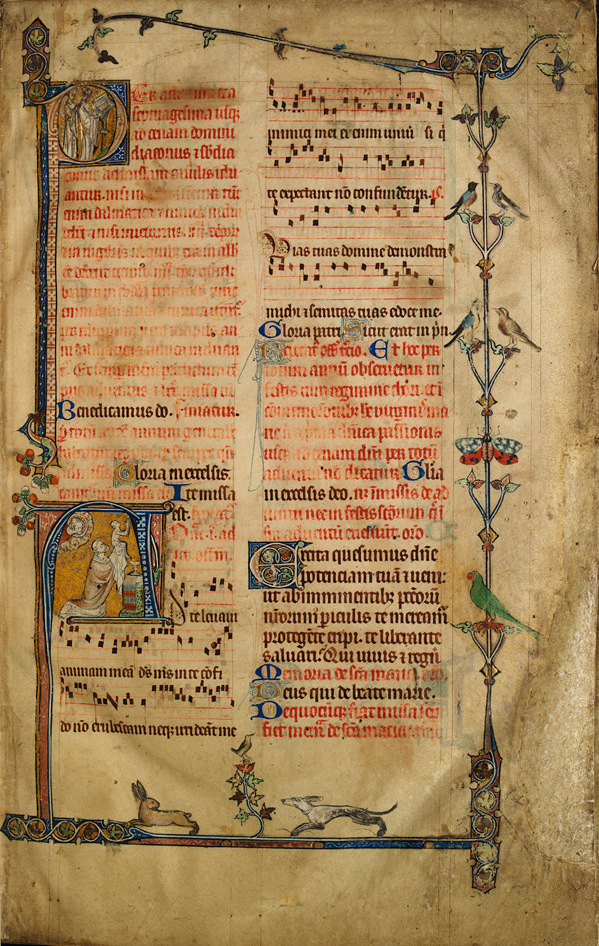
A missal is a book that gathers the prayers, readings, chants, and directions needed for the celebration of the Mass in Western Christian liturgical traditions. It is designed to be used at the altar by the priest or celebrant, and in many forms it also supplies texts for the congregation. The term covers both large liturgical editions for use in churches and smaller personal or hand missals intended for private devotion.
Image gallery
5 Images


Contents and structure
Typical elements found in a missal include the fixed parts of the Mass (the Ordinary), the variable texts assigned to particular days or seasons (the Proper), and detailed rubrics that instruct how the rites are to be performed. Many missals also include the liturgical calendar, collects, prefaces, Eucharistic prayers, and prefatory material explaining ceremonial actions.
- Ordinary: Kyrie, Gloria, Credo, Sanctus, Agnus Dei and other stable prayers.
- Proper: Introit, Gradual, Alleluia or Tract, Offertory, Communion and Collects for specific feasts.
- Rubrics and calendar: Directional notes and the sequence of seasons, feasts and saints' days.
History and development
The missal developed from earlier liturgical books such as the sacramentary, which mainly contained the priest's prayers, and from collections of chants and readings. In response to liturgical diversity and the desire for uniformity, the Roman Church issued a standardized edition known as the Roman Missal in the 16th century. The reform and standardization that produced this edition followed the Council of Trent; the edition promulgated by Pope Pius V in 1570 became a model for many Western churches.
Later centuries saw further revisions: after the Second Vatican Council the Roman Missal was substantially revised and a new edition for the Mass of Paul VI was published in the years that followed, allowing authorized vernacular translations and changes in rubrics and readings.
Uses, variations and notable distinctions
Missals are used primarily in Western-rite churches, including Roman Catholic, Anglo-Catholic and some Lutheran communities; other Western rites retain their own liturgical books. Distinct from the missal are books such as the lectionary (which contains the scriptural readings) and the breviary (the book of the Divine Office). Historically, illuminated and ceremonial missals were important works of art and craftsmanship.
In practice, editions range from ornate altar missals to compact daily missals for laypeople. Their importance lies in providing continuity and coherence to communal worship, preserving theological substance and ceremonial practice while allowing for authorized local adaptations.
Related articles
Author
AlegsaOnline.com Missal: liturgical book for the celebration of the Mass Leandro Alegsa
URL: https://en.alegsaonline.com/art/65458