
Millerites: 19th‑Century Adventist Movement in the United States
Followers of William Miller who predicted Christ's imminent return in the 1830s–1840s; their failed prophecy led to the Great Disappointment and the later development of several Adventist denominations.
Overview
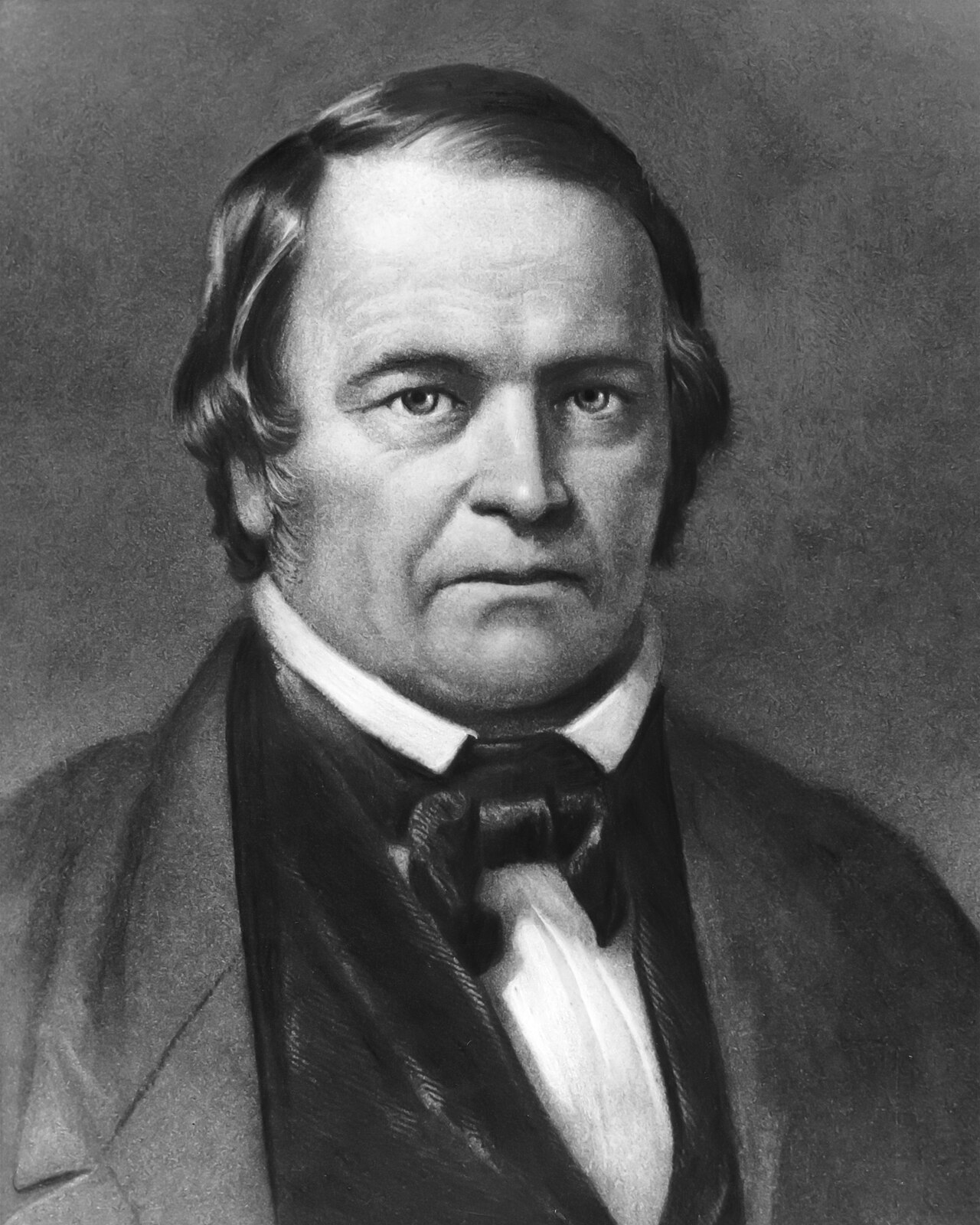
The Millerites were a religious movement in the United States in the early to mid-19th century centered on the teachings of William Miller, a Baptist lay preacher. Miller and his followers believed that careful study of biblical prophecy indicated that the second coming of Jesus Christ was imminent. Their activity attracted wide public attention, large meetings, and printed tracts, and it produced a powerful revivalist current within American Protestantism.
Image gallery
3 Images

Beliefs and interpretive method
Miller adopted a historicist approach to prophetic books such as Daniel and Revelation, applying the so-called day‑year principle and interpreting symbolic time periods as corresponding to actual historical spans. He set out his method and calculations so others could examine and apply them, and he encouraged direct study of Scripture. This emphasis on personal Bible study and prophetic chronology distinguished Millerite preaching from many other revival movements of the era. For more on the approach to scripture they used, see Bible interpretation.
History and the Great Disappointment
Beginning in the 1830s, Miller preached that Christ would return soon; his public ministry expanded through sermons, camp meetings, and widely circulated pamphlets. Many adherents came to expect an actual, visible return in the early 1840s. When the anticipated events did not occur on the dates many had fixed, most notably in what became known as the "Great Disappointment," followers experienced profound disillusionment. That episode is a defining moment in American religious history and led to fracturing and re-evaluation among adherents.
Aftermath and legacy
After the disappointment, Millerite adherents split in various directions. Some abandoned the movement, while others reinterpreted the meaning of the prophecies and formed new bodies. Several denominations and organizations trace roots to the Millerite ferment, including groups that became the Advent Christian Church and, later through further doctrinal development, the Seventh‑day Adventist Church. The episode influenced how later movements treated prophetic interpretation, apocalyptic expectation, and the role of lay calculation in doctrinal life.
Characteristics and notable facts
- Leadership: William Miller was a prominent but not a formal clerical head; much leadership emerged from local preachers and lay activists.
- Methods: Use of public meetings, pamphlets, and itinerant preaching to spread a calendar-based interpretation of prophecy.
- Impact: Sparked renewed interest in prophecy across denominations and led to several long-lived Adventist bodies.
Distinctions and historical importance
Although often referred to collectively as "Millerites," the movement was not a single organized denomination and included a range of views and practices. Its significance lies less in its short-lived prophetic prediction than in the institutional and theological changes it precipitated: new denominations, a culture of prophetic study, and a model of lay participation in doctrinal calculation. The Millerite episode remains a frequently cited case in studies of American millennialism and the social dynamics of expectation and disappointment in religious movements.
Related articles
Author
AlegsaOnline.com Millerites: 19th‑Century Adventist Movement in the United States Leandro Alegsa
URL: https://en.alegsaonline.com/art/65035