
Balkh: Ancient City of Bactria and a Crossroads of Empires
Balkh is an ancient city in northern Afghanistan, long a center of Bactria, Silk Road trade and Islamic learning. Its ruins and traditions reflect millennia of cultural and religious exchange.
Balkh is one of Central Asia's oldest urban sites, located in what is today northern Afghanistan. Known in antiquity as Bactra, it served for centuries as a political, religious and commercial hub on routes later called the Silk Road. The city's long history is reflected in layers of archaeological remains, religious traditions and literary references.
Image gallery
10 Images


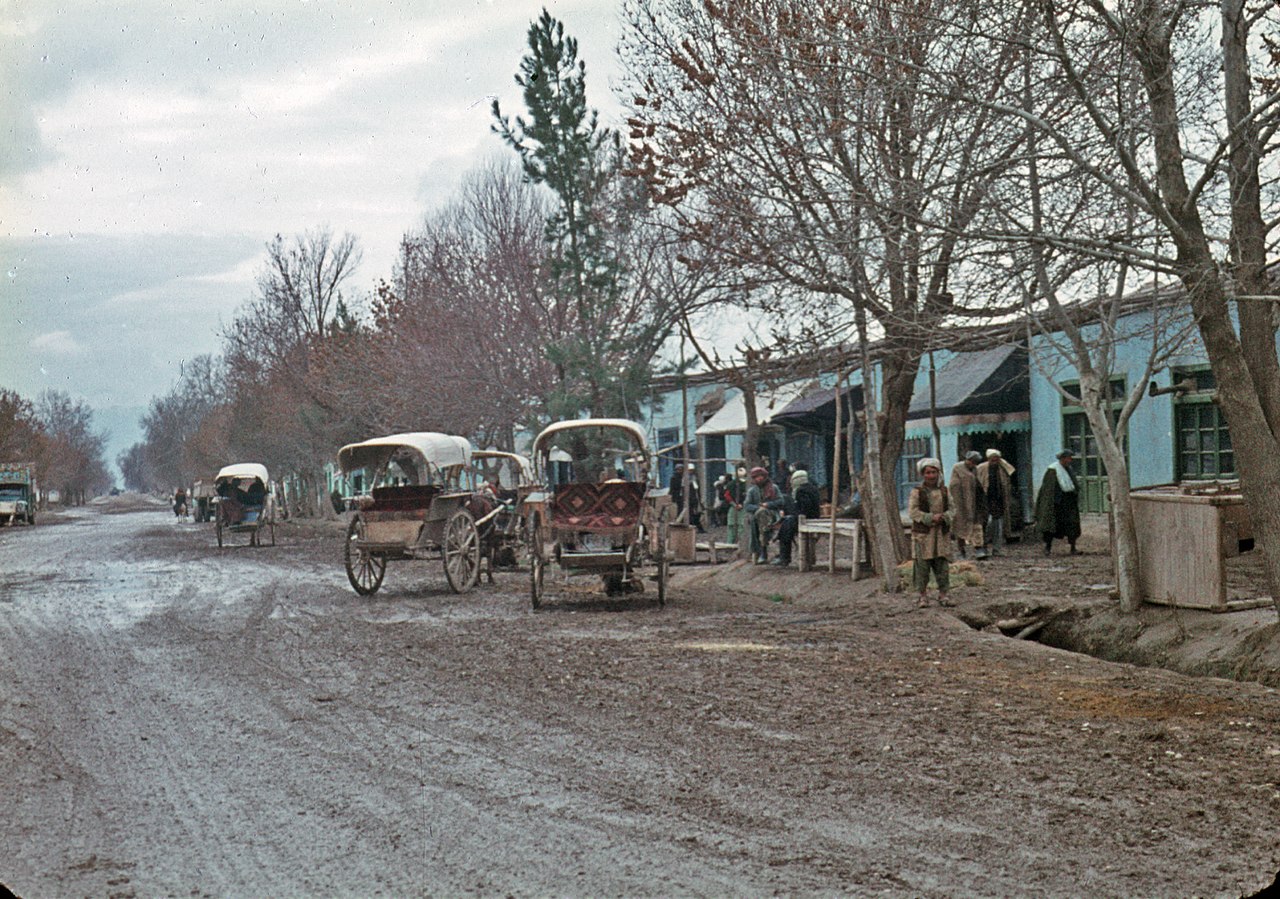

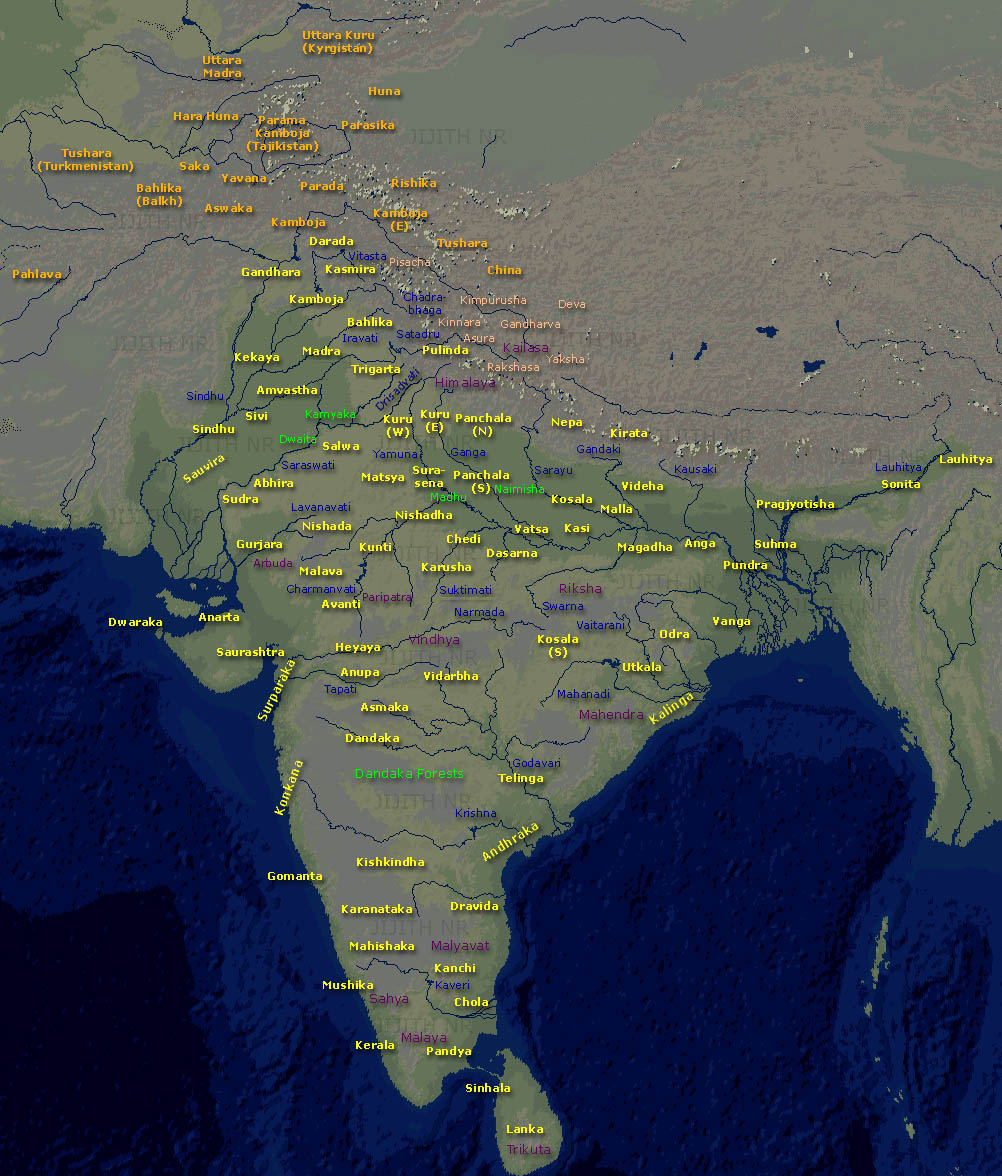


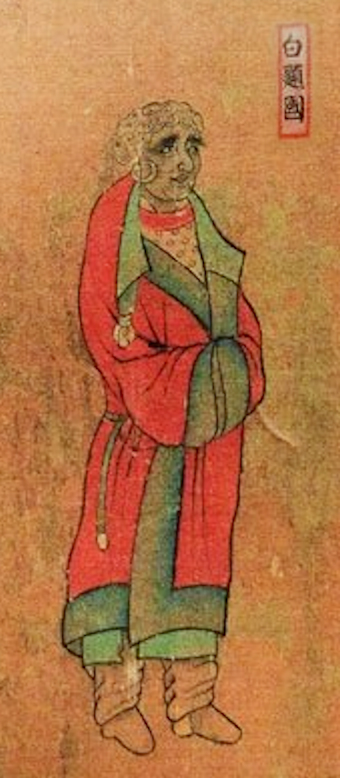
Overview and name
The city is often described in medieval sources as the "Mother of Cities" for its early prominence. Local and Persian-language traditions use the form بلخ. Balkh lies within contemporary Balkh Province of Afghanistan, northwest of the modern regional center Mazar‑i‑Sharif. Its strategic position on inland trade corridors made it a focal point for merchants, pilgrims and scholars for many centuries.
Historical development
Balkh's history stretches back to the first millennium BCE when it was a major center of the ancient region called Bactria. Over time it came under Achaemenid, Hellenistic (after Alexander the Great), Greco-Bactrian and Kushan influence, then later Sassanian and various Islamic dynasties. As a crossroads it hosted Zoroastrian, Buddhist and later Islamic religious life. In the early 13th century the city suffered catastrophic destruction during the Mongol campaigns led by Genghis Khan, a turning point that greatly reduced its urban prominence.
Culture, religion and learning
Balkh was a major center of learning in the medieval period. Several scholars and intellectuals carried the nisba "al‑Balkhi," indicating their origin in the city; among the better known are the geographer and polymath Abu Zayd al‑Balkhi and the astrologer Abu Ma'shar al‑Balkhi. The 13th‑century poet and mystic Jalal al‑Din Rumi is commonly associated with Balkh as his birthplace or family origin before his family migrated westward.
Archaeology and monuments
Archaeological remains at Balkh include layers of fortifications, mosque precincts, mausoleums and urban deposits that record successive cultural phases. Many ancient foundations are visible in the landscape and in museum collections. Ongoing study by scholars and occasional excavations have helped clarify the sequence of occupation, though much remains to be documented.
Later history and modern significance
After the Mongol period Balkh experienced episodes of revival and decline under local dynasties and regional powers. In the 19th century the city again featured in regional politics and was taken by the Afghan ruler Dost Mohammad Khan, illustrating its continuing strategic and symbolic value (see note). In the 20th and 21st centuries Balkh has been valued primarily as an archaeological site and a place of local historical memory.
Legacy and conservation
Today Balkh is best known for its archaeological remains and its role in the history of Bactria and the Silk Road. Conservation and research face challenges from natural erosion, limited resources and instability in the wider region. Scholars, local authorities and international specialists continue to study Balkh to better understand ancient trade networks, cultural exchange and the city's long religious history.
- Geography: situated on an inland plain that connected to major caravan routes.
- Religious history: an important locus for Zoroastrian, Buddhist and Islamic traditions, with layered religious architecture.
- Scholars and literature: birthplace or origin of notable medieval figures who contributed to geography, astrology and Sufi poetry.
Balkh's name endures in historical writing and local identity, and its ruins remain a key source for understanding the complex cultural geography of ancient and medieval Central Asia.


Sons and daughters of the city
- Rābi'a bint Ka'b (10th century), poetess
- Daqīqī (10th century), one of the first poets of the New Persian language, possibly born in Balch.
- Unsuri (c. 961 - c. 1039/40), Persian poet
- Jalal ad-Din ar-Rumi (1207-1273), mystic and poet
- Wasef Bakhtari (* 1942), intellectual and poet
See also
- List of Persian royal cities
- List of cities in Afghanistan
Related articles
Author
AlegsaOnline.com Balkh: Ancient City of Bactria and a Crossroads of Empires Leandro Alegsa
URL: https://en.alegsaonline.com/art/8510
Sources
- wdl.org : "Persia, Arabia, etc"