
Miracles of Jesus: accounts, types, and their religious significance
Extraordinary acts attributed to Jesus in the Bible and Qur'an—healings, exorcisms, nature miracles, resurrection—and how different traditions understand their meaning and continuation.
The miracles attributed to Jesus are extraordinary deeds reported in religious texts that lie outside ordinary human capability. They appear most prominently in the Christian New Testament and in the Islamic Qur'an, and believers in both faiths generally understand them as acts accomplished by divine power rather than mere human skill. For a concise introduction to the topic see general summaries, while the principal textual sources are the Bible and the Qur'an.
Image gallery
10 Images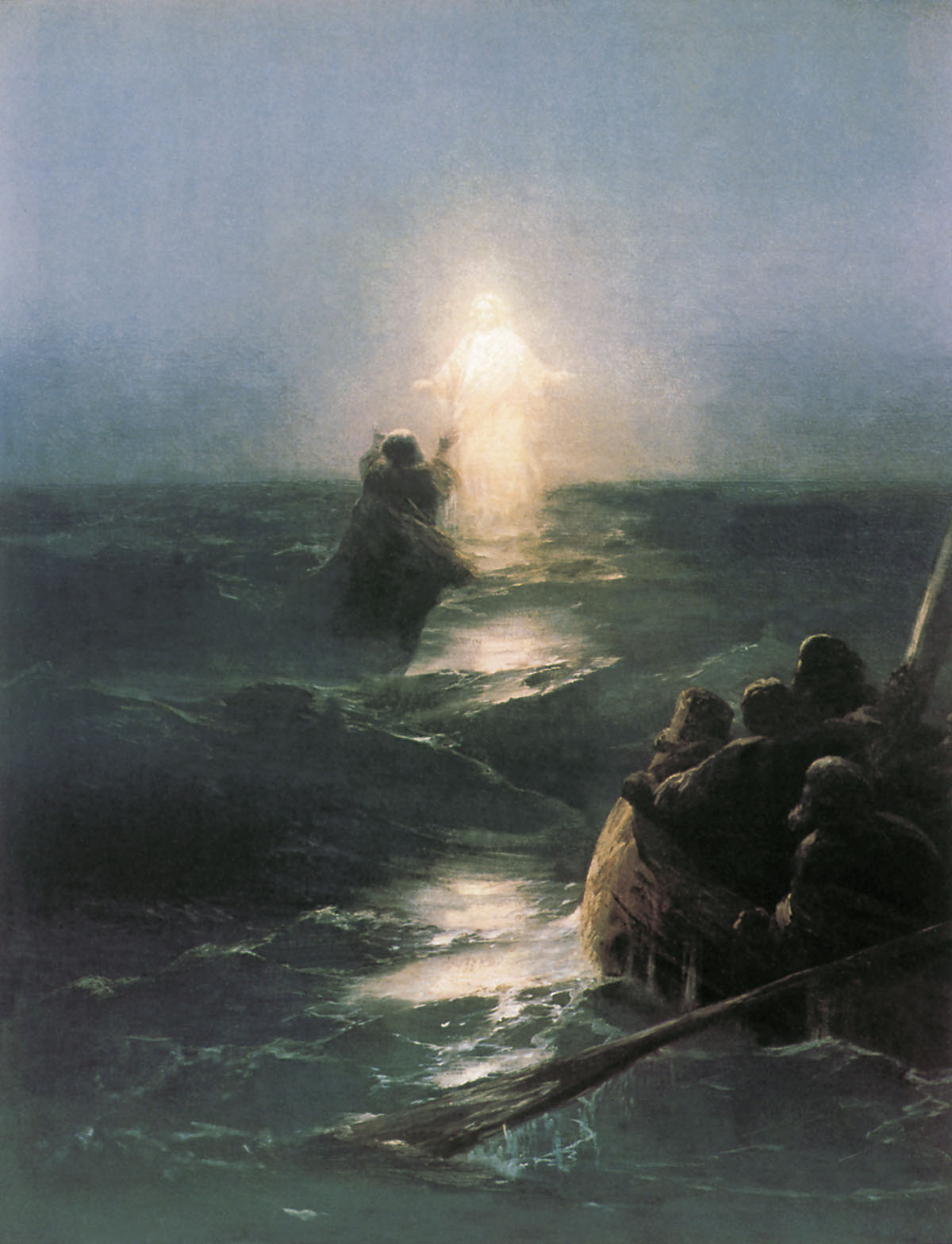




Common types and examples
The Gospel accounts present a recurring set of miracle types, often grouped by their effects or purpose. The Synoptic Gospels of Matthew, Mark and Luke collect many of these narratives and describe Jesus as healer, teacher and exorcist (Matthew, Mark, Luke). Typical categories include:
- Healing — cures of the sick, restoration of sight, and relief for those unable to walk or hear, for example healing the blind and deaf (blind, deaf).
- Exorcism — removal of spiritual or demonic afflictions, with some passages describing conflicts with such powers (demons).
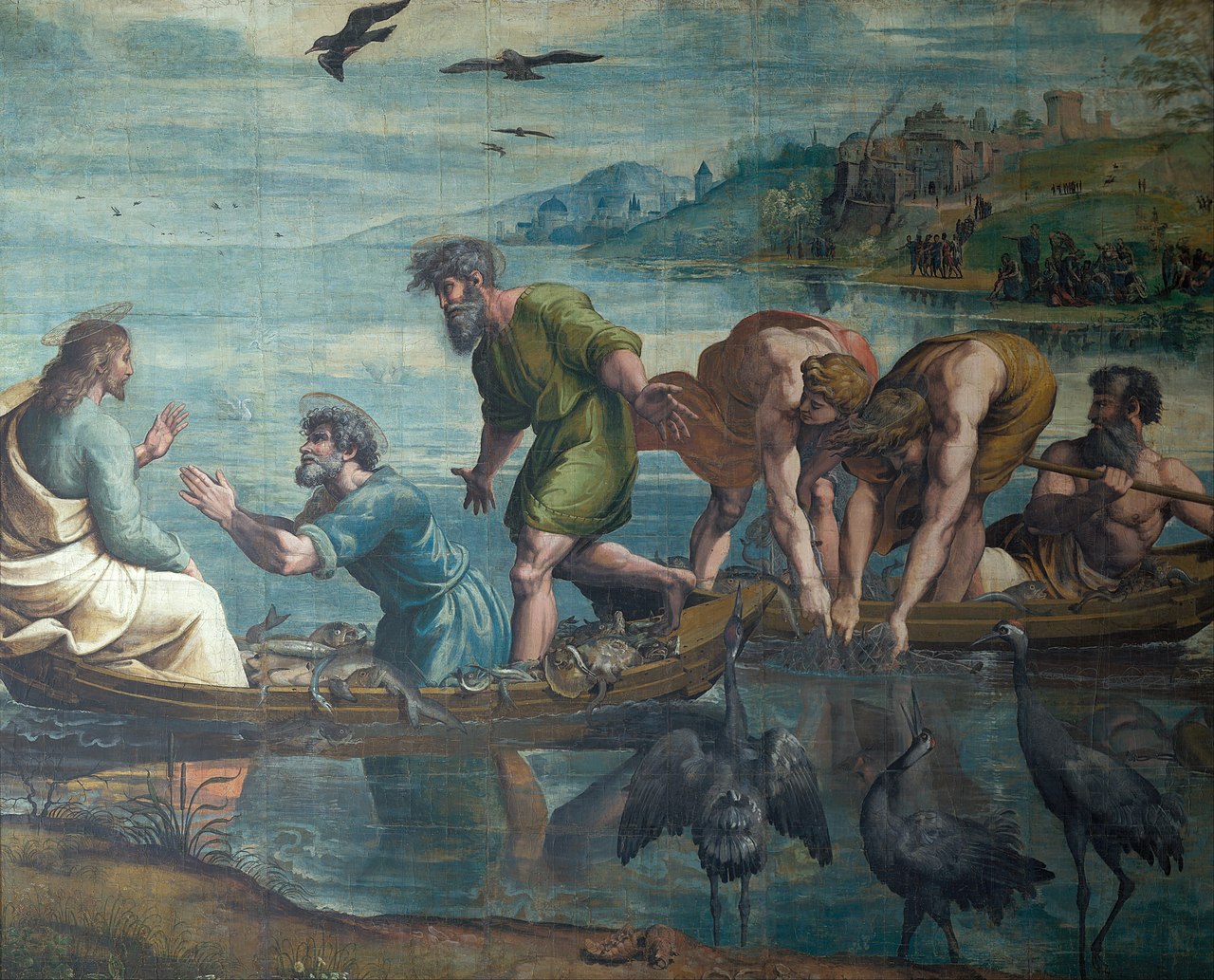
- Control of nature — acts that alter weather or natural order such as calming storms, walking on water or multiplying food.
- Raising the dead — several accounts portray Jesus restoring life to those who had died.
- Unique signs — episodes used to convey theological meaning, such as the seven signs highlighted in the Gospel of John (John).
Origins, development, and theological meanings
Early Christian writers used these stories to express convictions about Jesus’ identity and authority: miracles functioned as demonstrations of divine presence, indications of messianic status, and illustrations of compassion and judgment. The Gospel of John describes a program of "signs" chosen to reveal theological truths rather than provide a catalogue of every extraordinary deed. Two central doctrines connected to the miraculous tradition are the virgin birth and the resurrection — concepts treated as foundational in many Christian creeds (virgin birth, resurrection).
Comparative and interreligious perspectives
Muslim scripture and tradition also recount miracles associated with Jesus, affirming some events while diverging on others. The Qur'an praises certain wondrous acts — for example, a speaking infant and miracles like fashioning a living bird from clay — and it affirms the virgin birth but presents a different perspective on later events described in Christian scripture. These differences shape distinct theological interpretations across the two faiths.
Uses, practices, and contemporary claims
Miracles have social and devotional uses: they confirm religious conviction, inspire pilgrimage, and inform liturgy and art. Some places and practices became focal points for alleged healings and reported graces; for instance, modern Catholic pilgrimage sites attract those seeking cures (Lourdes). Within Christianity there are differing positions about ongoing miracles—some traditions maintain that miraculous gifts continue in the present, while others hold that such phenomena were confined to the early church or to Jesus’ earthly ministry (continuation and cessation views).
Debates and scholarly approaches
Scholars and believers approach miracle accounts in varied ways: as historical events, as theological narratives, or as a combination of the two. Historical-critical study examines sources, context and transmission; theological reflection considers meaning and implications for doctrines of God, revelation and human suffering; skeptics ask for empirical corroboration or natural explanations. Within religious communities, claims of modern miracles often undergo investigation and, in some traditions, formal procedures before being accepted as authentic.
Taken together, the miracles attributed to Jesus remain central to how many people understand his mission and identity. Whether read devotionally, historically, or critically, these accounts continue to influence worship, ethics and interfaith dialogue across diverse communities.
Further overview • Scriptural sources • Qur'anic references • Synoptic narratives • Blindness miracles • Deafness miracles • Exorcism texts • Signs in John • Virgin birth traditions • Resurrection accounts • Pilgrimage and Lourdes • Modern debate
Questions and answers
Q: What are the miracles of Jesus?
A: The miracles of Jesus are things that the Bible and Qur'an say that Jesus did, which a person normally cannot do. These include healing people who are sick, blind, lame or deaf; stopping a storm in the sea; walking on water; making a tree die; speaking from his cradle; making a clay bird come alive; bringing down from heaven a table full of food; and bringing some dead people back to life.
Q: How did Jesus perform these miracles?
A: Followers of Christianity and Islam believe that Jesus performed these miracles by the power of God.
Q: Are there any stories in the Gospels about Jesus' miracles?
A: Yes, the Gospels of Matthew, Mark and Luke record many stories about Jesus' miracles.
Q: Did enemies of Jesus ask him to do miracles to show his supernatural power?
A: Yes, enemies of Jesus asked him to do miracles to show his supernatural power but he refused. He only performed such acts for his followers as signs to teach something about His power.
Q: Does the Qur'an mention any specific miracle performed by Jesus?
A: Yes, according to the Qur'an, Jesus spoke from his cradle, made a clay bird come alive and brought down from heaven a table full of food.
Q: Is it believed that similar miraculous events still occur today?
A: Some Christians believe that they have been healed by Jesus or experienced other miraculous events at large Christian meetings while others think that such events only occurred when He was on Earth and no longer happen today.
Related articles
Author
AlegsaOnline.com Miracles of Jesus: accounts, types, and their religious significance Leandro Alegsa
URL: https://en.alegsaonline.com/art/65348