
Mennonites: History, Beliefs, Practices, and Community Life
Mennonites are a diverse Anabaptist Christian tradition named after Menno Simons, notable for pacifism, community-oriented worship, and a long record of humanitarian and relief work.
The Mennonites are a Christian tradition that emerged from the radical reform movements of 16th-century Europe. They are historically rooted in the broader Anabaptist movement and take their common name from Menno Simons; see Menno Simons for the early leader whose name became associated with the group. While beliefs and practices vary greatly between communities, Mennonites are widely recognized for their emphasis on discipleship, community, and a commitment to resolving conflict without violence.
Image gallery
10 Images


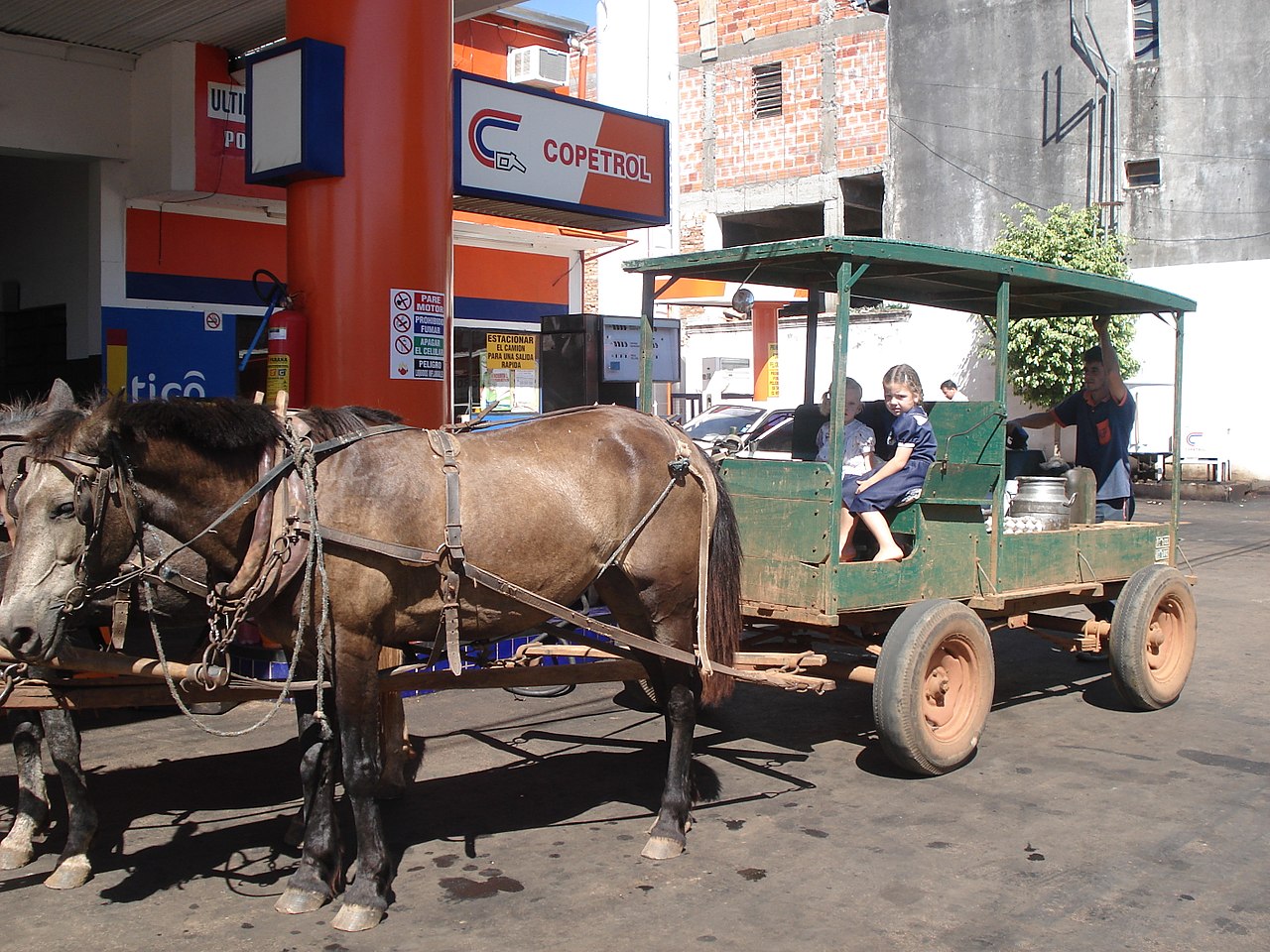


Core beliefs and communal life
Mennonite theology centers on following Jesus in everyday life, with particular attention to the teachings of the Sermon on the Mount. Many Mennonite groups stress adult baptism, mutual aid, and the centrality of the local congregation. A distinguishing feature across much of the tradition is a commitment to nonviolence and to principled pacifism, including conscientious objection to military service in contexts where that is practiced.
Variety and practice
Mennonites are not a single uniform body; they range from conservative communities with plain dress and separate schooling to those that are culturally similar to other Protestants. Some groups maintain traditional worship forms and communal decision-making, while others adopt contemporary liturgy and social engagement. Despite diversity, service, mutual aid, and a focus on reconciliation are common themes.
History and global presence
Originating in Europe in the 1500s, Mennonite groups migrated over centuries to North America, Africa, Latin America, and elsewhere. Around the early 21st century there were estimates of roughly 1.5 million people identifying as Mennonites, though numbers vary by source and region. Large populations live in the United States and in parts of central Africa; significant communities also exist in Canada, Mexico, and nations across several continents.
Service, relief, and public witness
Mennonite organizations are well known for disaster relief and development work. In North America, voluntary networks mobilize after hurricanes, floods and other emergencies; they work alongside agencies that respond globally. For example, Mennonite relief groups have long provided recovery work following floods and storms. Many communities emphasize voluntary service as a theological expression of love and neighborliness.
Social engagement and distinctions
Over recent decades some Mennonite bodies have become more active in broader efforts for peacebuilding and social justice. These engagements include participation in interdenominational peacemaking teams, alternative service programs, and ecumenical relief coalitions. Notable distinctions within the worldwide Mennonite family include varying stances on technology, education, and the degree of separation from mainstream society. Together, these elements make the tradition a diverse and globally present expression of Christian commitment to nonviolence, community care, and practical service.
Related articles
Author
AlegsaOnline.com Mennonites: History, Beliefs, Practices, and Community Life Leandro Alegsa
URL: https://en.alegsaonline.com/art/63814
Sources
- mwc-cmm.org : 2006 Mennonite & Brethren in Christ World Membership
- mds.mennonite.net : "Mennonite Disaster Service"
- conciliationserv.mennonite.net : "Mennonite Conciliation Service"