
Art movement (art 'ism'): definition, history, characteristics, and significance
An art movement is a shared tendency or style among artists that reflects common ideas, techniques, or aims. This article outlines definitions, characteristics, history, notable examples, and how movements relate to other fields.
Overview
An art movement, often called an "ism," is a collective tendency in visual art characterized by a set of shared ideas, visual approaches, or theoretical commitments. Movements can form when groups of artists deliberately pursue related aims, or when critics and historians later apply a descriptive label. Artists sometimes present their aims in an art manifesto; other times a movement is named retrospectively. For a concise definition of style and tendency, and to learn how artists articulate their aims, see basic introductions and primary documents.
Image gallery
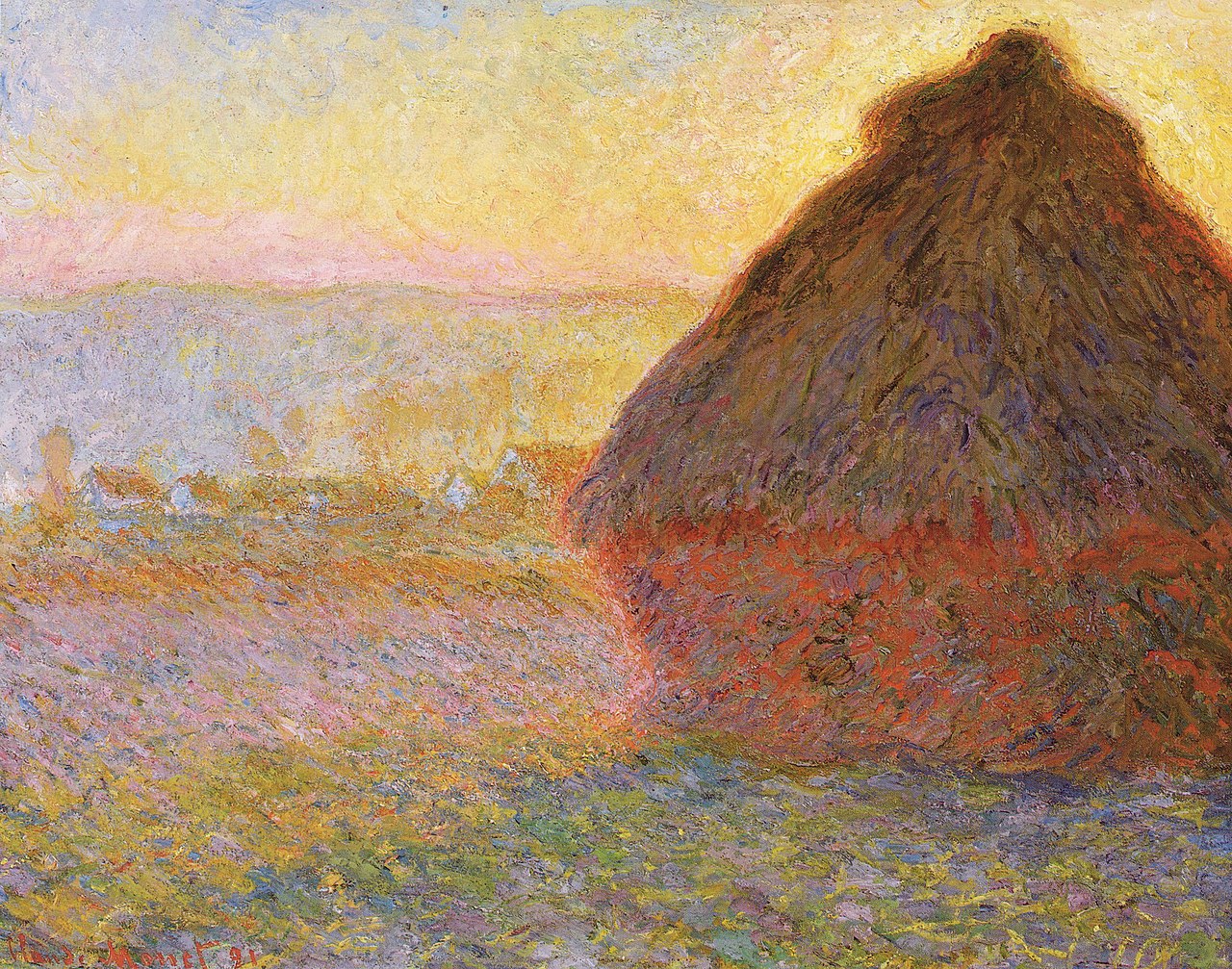
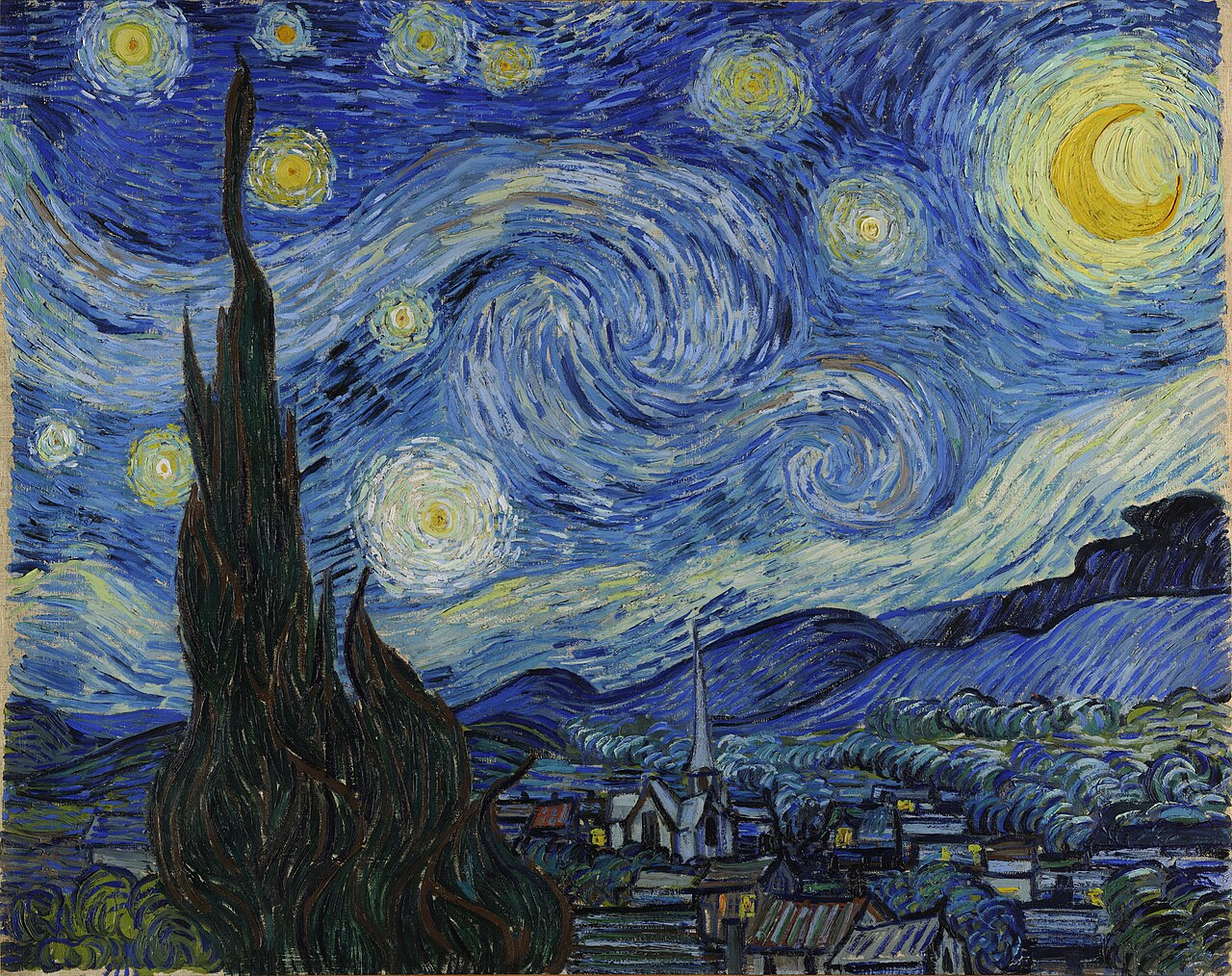
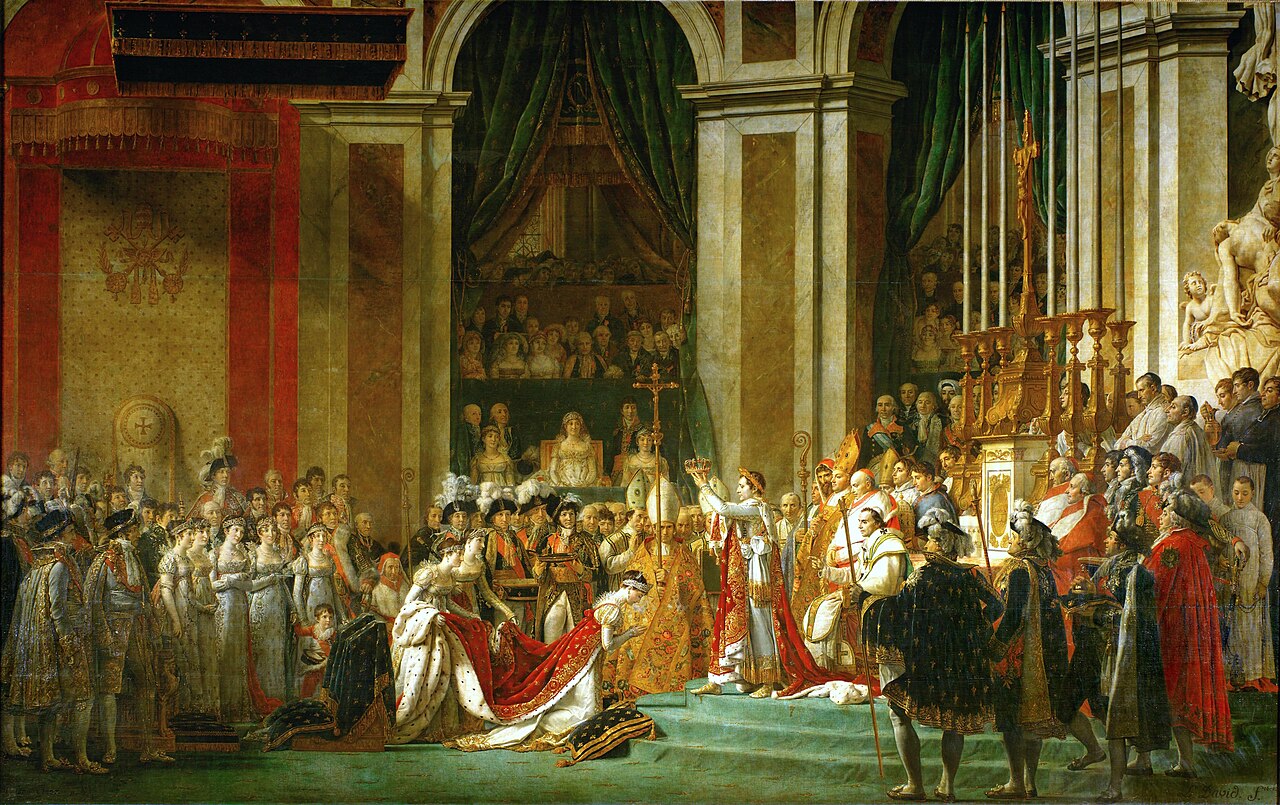
10 Images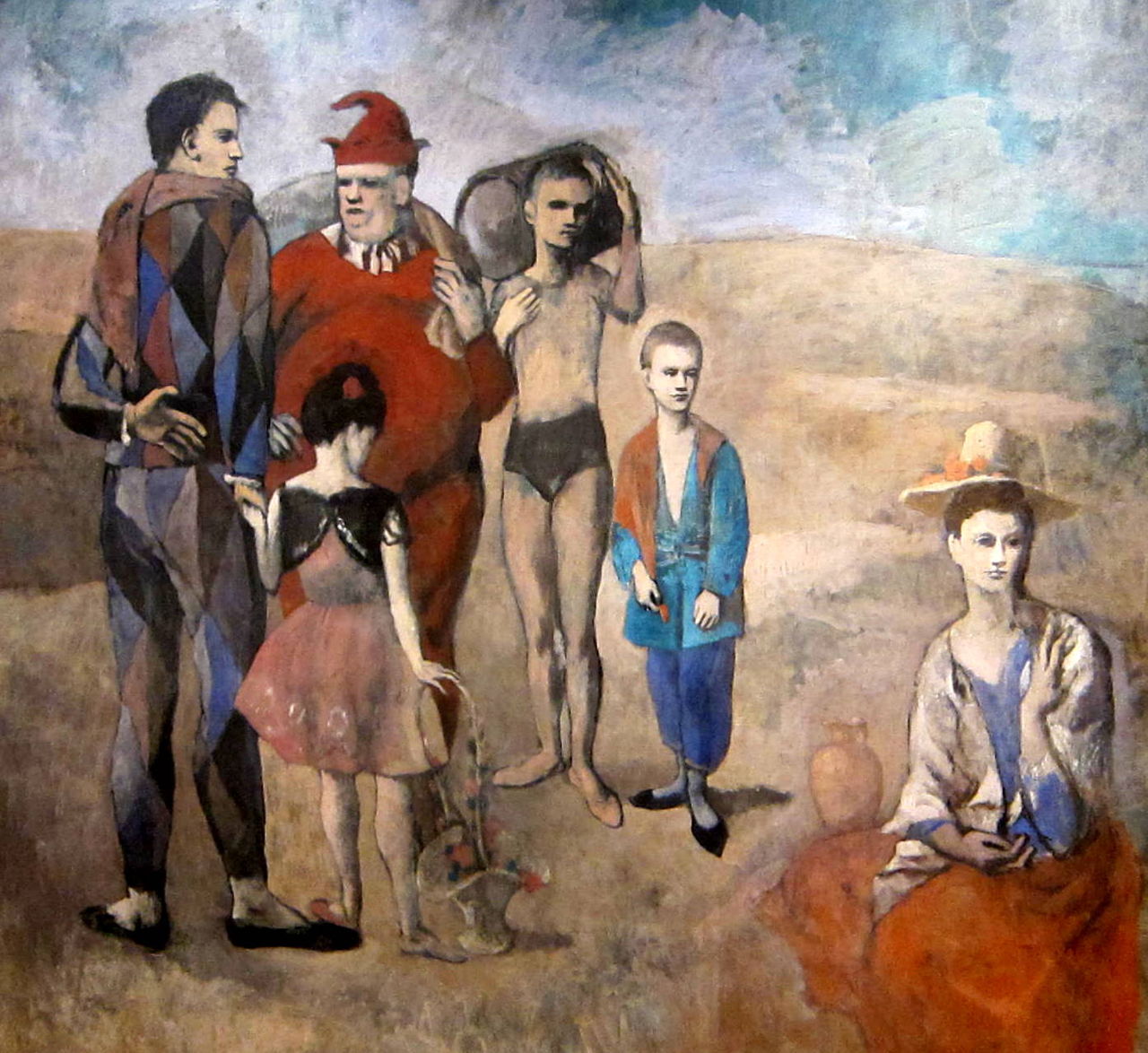






Typical characteristics
Although every movement is different, several recurring features help identify one:
- Shared visual language: recurring motifs, materials, techniques, or compositional strategies.
- Common philosophy or theory: an explicit or implicit set of beliefs about art’s purpose or methods — often discussed in essays or manifestos (philosophical influences).
- Social or institutional activity: exhibitions, journals, artist groups, and patrons that promote the approach.
- Critical labeling: names applied by critics, dealers, or historians to group works with similar features (naming and classification).
Movements can influence practices across media: for example, developments in post-photography and new imaging methods reshaped how some artists approached picture-making (photography and image culture).
History and development
Art movements are usually discussed in historical sequences because many emerged in reaction to what came before. Nineteenth- and twentieth-century Europe and North America produced widely studied movements such as Impressionism, Cubism, Dada, Surrealism, Abstract Expressionism, Pop Art, Minimalism, and Conceptual Art. Each arose from specific technical innovations, cities or regions, and social conditions, while borrowing from or opposing earlier approaches. Movements frequently intersect with architecture and design, creating broader cultural styles (architecture and allied arts).
Examples, uses, and importance
Studying movements helps explain why artworks look or behave similarly and reveals the networks that supported particular experiments: journals, schools, dealers, and museums. Movements can advance aesthetic innovation (for instance, abstraction or new media), engage politically, or change public taste. They also provide waypoints in art education and museum curation, guiding exhibitions and scholarship. Connections to literature and criticism are common; writers and poets sometimes share motifs with visual artists (literary parallels).
Distinctions and notable points
"Movement" is not a precise legal or scientific category. It overlaps with terms such as "school," "style," or "group." Some important points to keep in mind:
- Labels may be applied after the fact and can obscure individual differences.
- Not every artist within a movement subscribes to every principle articulated in manifestos.
- Movements can have political dimensions or be explicitly apolitical; their relationships to social causes and power structures vary (political contexts).
In short, art movements are a practical and scholarly way to trace patterns in artistic production, influence, and reception. For further reading about specific movements, consider introductory surveys or curated museum timelines that map artists, texts, and exhibitions. To explore how critics coined names and how manifestos function, consult collections of primary documents and critical histories (definitions, naming, image culture, architecture, literature, philosophy, politics).
Questions and answers
Q: What is an art movement?
A: An art movement, or ism, is a style in art characterized by a common philosophy or a label given by a critic to describe a type of artwork.
Q: What is typical of the post-photography era in art movements?
A: The post-photography era in art movements is characterized by exploration of new directions in art.
Q: How are some art movements pinpointed?
A: Some art movements can be pinpointed to a time and place or to particular artists.
Q: Where do verbal explanations of art movements come from?
A: Verbal explanations of art movements may come from the artists themselves, sometimes in the form of an art manifesto (published statement).
Q: Who often labels a movement after it has occurred?
A: Movement is often labelled by some art historian or critic.
Q: Can art movements be connected to other fields?
A: Yes, art movements may be connected to similar ideas in architecture, literature, philosophy or even politics.
Q: Is there a chronological order to art movements?
A: Yes, there is a rough date order to art movements.
Tags
Related articles
Author
AlegsaOnline.com Art movement (art 'ism'): definition, history, characteristics, and significance Leandro Alegsa
URL: https://en.alegsaonline.com/art/6215