
Tyrosine: an aromatic amino acid important in proteins and metabolism
Tyrosine (Tyr, Y) is a non-essential, aromatic amino acid used in protein synthesis and as a precursor for neurotransmitters, thyroid hormones, pigments and many plant metabolites.
Overview
Tyrosine, also written Tyr or Y and chemically known as 4-hydroxyphenylalanine, is one of the twenty proteinogenic amino acids incorporated into proteins during translation. Its codons in messenger RNA are UAU and UAC. As an aromatic amino acid with a polar phenolic side chain, tyrosine contributes to protein structure and to biochemical reactions that depend on its reactive hydroxyl group. For a basic definition see amino acid and for its role among the common protein-building residues see standard amino acids.
Image gallery
7 Images



Biological role and synthesis
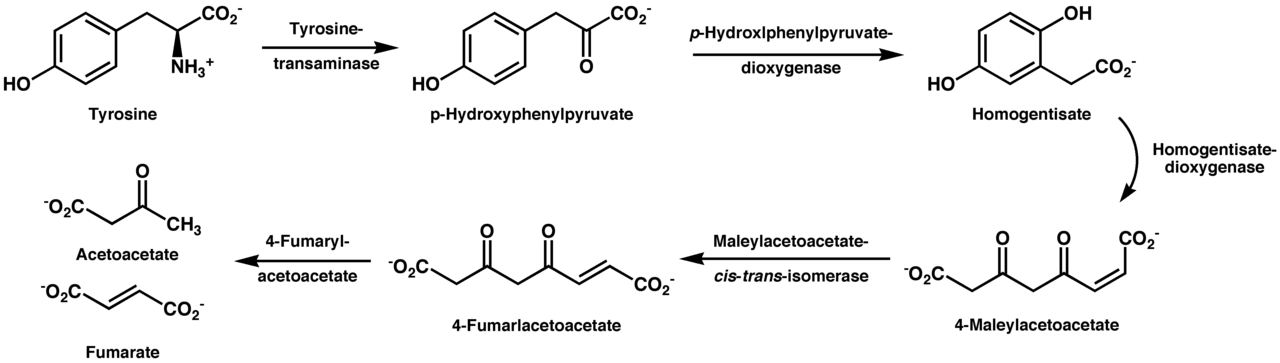
In humans tyrosine is typically classified as non-essential because the body can produce it from the essential amino acid phenylalanine through the action of phenylalanine hydroxylase. In metabolic disorders such as phenylketonuria (PKU), conversion from phenylalanine is impaired and tyrosine becomes conditionally essential and must be obtained from the diet or supplements. Tyrosine is the precursor for several important biomolecules, including the catecholamine neurotransmitters dopamine, norepinephrine and epinephrine, the thyroid hormones, and the pigment melanin.
Dietary sources
- High-protein foods in general provide tyrosine.
- Chicken and fish are common animal sources.
- Milk, yogurt and other dairy products such as cottage cheese and cheese contribute useful amounts.
- Peanuts, almonds and other nuts supply tyrosine in plant-based diets.
- Seeds like pumpkin seeds and sesame seeds, plus soy products and legumes, are also significant sources.
- Some fruits and vegetables such as avocado and bananas, along with eggs, provide smaller amounts useful in varied diets.
Chemical properties and functions
The side chain of tyrosine contains a phenolic hydroxyl that makes it moderately polar and capable of forming hydrogen bonds. That hydroxyl group is the site of reversible phosphorylation in many signaling proteins; when present as a substituent it is called a tyrosyl group or tyrosyl residue. Phosphorylation of tyrosine residues plays a central role in signal transduction pathways and regulation of enzymatic activity. In plants and microbes, tyrosine is also a branching point for secondary metabolites such as alkaloids and pigments.
Medical, biochemical and practical notes
L‑tyrosine appears in research and as an ingredient in some dietary supplements marketed for stress, alertness or cognitive support, though clinical evidence varies and safety depends on individual health conditions and medications. Inherited defects of tyrosine metabolism can lead to elevated tyrosine or related intermediates with clinical consequences. In biochemistry and molecular biology the term tyrosyl is commonly used to describe the side chain when it participates in enzyme mechanisms or protein modification.
For further reading about dietary sources and functions see general nutrition and biochemical resources: basic amino acid info, genetic code, and product- or food-specific guides such as pages on poultry, seafood, dairy, fermented dairy, cottage cheese, cheese varieties, peanuts, tree nuts, pumpkin seeds, sesame, avocado and other plant foods.
Questions and answers
Q: What is tyrosine?
A: Tyrosine is an amino acid that is one of the 20 standard amino acids used by cells to make proteins.
Q: Is tyrosine essential or non-essential?
A: Tyrosine is a non-essential amino acid, meaning the body can make it.
Q: What are the codons for tyrosine?
A: The codons for tyrosine are UAC and UAU.
Q: How is tyrosine synthesized in the body?
A: Tyrosine can be synthesized in the body from phenylalanine.
Q: In what food products can tyrosine be found?
A: Tyrosine can be found in many high-protein food products such as chicken, turkey, fish, milk, yogurt, cottage cheese, cheese, peanuts, almonds, pumpkin seeds, sesame seeds, soy products, lima beans, avocados, bananas and eggs.
Q: What is tyrosine called when referred to as a functional group or side chain?
A: When referred to as a functional group or side chain, tyrosine is called tyrosyl.
Q: How is tyrosine used by cells?
A: Tyrosine is used by cells to make proteins.
Related articles
Author
AlegsaOnline.com Tyrosine: an aromatic amino acid important in proteins and metabolism Leandro Alegsa
URL: https://en.alegsaonline.com/art/102390
Sources
- chem.qmul.ac.uk : "Nomenclature and Symbolism for Amino Acids and Peptides" · web.archive.org
- umm.edu : "Tyrosine"
- biology.arizona.edu : "Amino Acids - Tyrosine"