
Menopause: causes, symptoms, stages, and management
Menopause is the permanent end of menstruation caused by ovarian decline in reproductive hormones. This article explains stages, common symptoms, health effects, and management options including lifestyle and medical treatments.
Overview — Menopause is the natural, permanent cessation of menstrual periods that marks the end of a person’s reproductive years. It results from decreased ovarian function and falling levels of estrogen and progesterone. Menopause is diagnosed after 12 consecutive months without menstruation and most often occurs between the mid‑40s and mid‑50s, with an average age near 51. For more general information see reliable guidance.
Image gallery
4 Images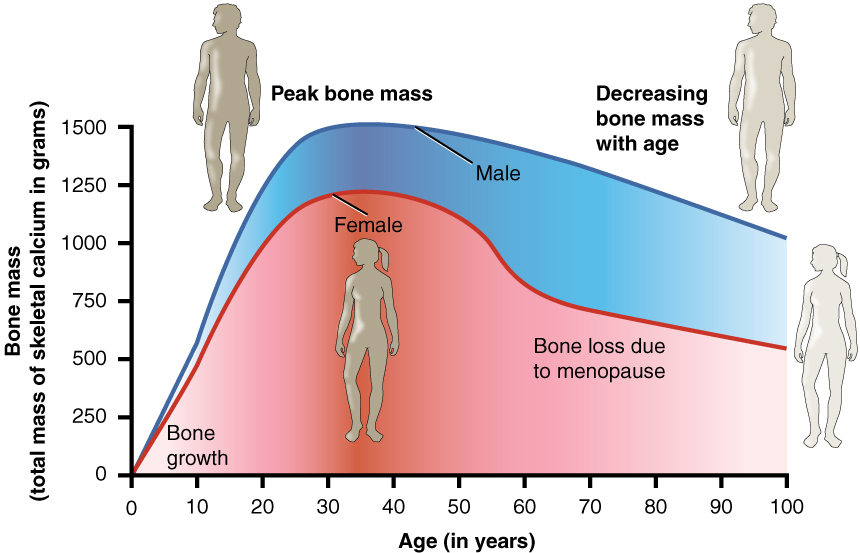


Biology and stages
The transition includes three phases: perimenopause (the years before the final period when cycles and hormones fluctuate), menopause (the point of the final menstrual period), and postmenopause (the years after menopause). Hormone production from the ovaries declines, ovulation becomes irregular, and fertility ends. Some people experience abrupt menopause after surgical removal of the ovaries, chemotherapy, or radiation.
Common symptoms
- Vasomotor symptoms: hot flashes and night sweats
- Sleep disturbances and fatigue
- Mood changes including irritability or low mood
- Urogenital changes: vaginal dryness, urinary symptoms, and sexual discomfort
- Changes in skin, hair, and body composition
Severity and duration of symptoms vary widely. Some people have minimal disruption, while others require medical support to maintain quality of life.
Health effects and management
Lower estrogen levels influence long‑term health: bone density decreases and cardiovascular risk factors may change. Management is individualized and can include lifestyle measures (exercise, smoking cessation, sleep hygiene), non‑hormonal therapies for specific symptoms, and hormone replacement therapy (HRT) for suitable candidates. Decisions about treatment weigh potential benefits against risks and are made with a clinician; see treatment guidance for further context.
Notable distinctions and when to seek care — Natural menopause differs from premature ovarian insufficiency (menopause before age 40) and medically induced menopause. Anyone with sudden bleeding after menopause, symptoms that interfere with daily life, or concerns about bone or heart health should consult a healthcare professional for evaluation and tailored care.
Related articles
Author
AlegsaOnline.com Menopause: causes, symptoms, stages, and management Leandro Alegsa
URL: https://en.alegsaonline.com/art/63821