
Medicine man: traditional healers, roles, and cultural context
Overview of the medicine man: role in Native American and other societies, healing practices, rituals, historical parallels, terminology, and modern significance.
Overview
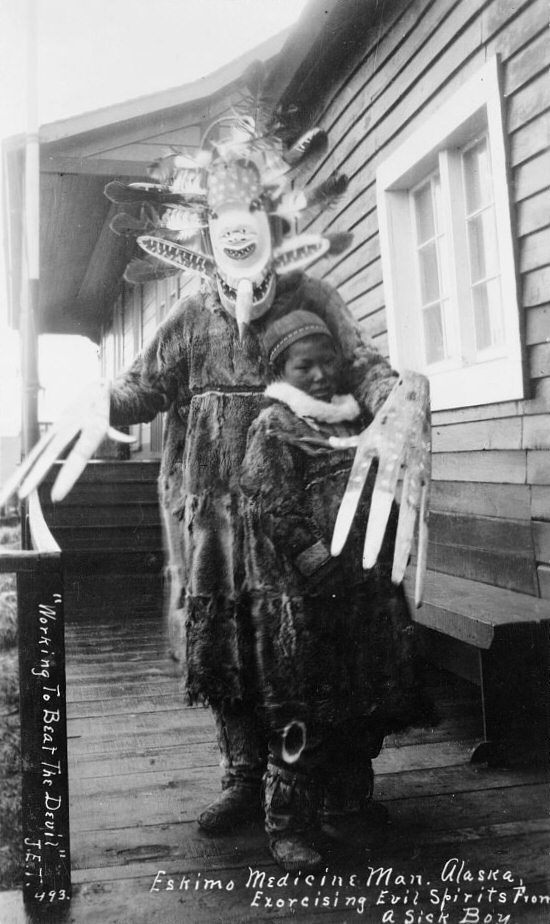
A medicine man (or medicine person) is a traditional healer who often combines practical remedies with spiritual and communal responsibilities. In many Indigenous North American cultures a medicine person functions as a custodian of the group's belief system and keeps important communal rituals alive. Their role typically blends knowledge of herbs and treatments with ceremonial actions intended to restore balance and well-being.
Image gallery
3 Images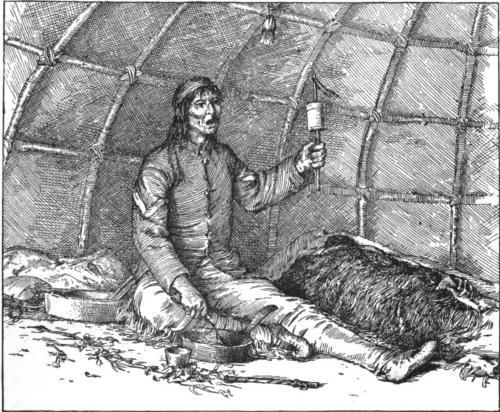

Roles and practices
Practices vary widely by culture, but common elements include diagnosis, herbal or physical treatments, purification ceremonies, and guidance for individuals and the community. A medicine person may address physical ailments, mental distress, and conditions understood as spiritual or social disturbances. Techniques can include songs, chants, fasting, sweat lodges, divination, and the use of ritual objects; knowledge is often transmitted orally or through apprenticeship.
Historical and cross-cultural parallels
Roles similar to the medicine man have existed across time and place. Archaeological and ethnographic evidence suggests comparable specialists in mesolithic and neolithic communities, as well as in pre-modern Africa and parts of New Guinea. Although practices and cosmologies differ, many societies developed figures who combined healing, ritual knowledge, and community leadership.
Terminology and distinctions
Outside specific cultural contexts, a variety of terms are used to describe similar roles. Words such as shaman and witch doctor appear in literature, but they carry different histories and connotations. "Shaman" is a term drawn from Siberian ethnography and is often used broadly by scholars; "witch doctor" is a colonial-era label that can be pejorative. Careful usage respects cultural particularity rather than applying generic labels that obscure local meanings, especially when matters of the supernatural are involved.
Contemporary relevance
Today medicine people continue to play important cultural and healthcare roles in many communities. Efforts to document and support traditional knowledge intersect with discussions about intellectual property, cultural revitalization, and the integration of customary practices with biomedical care. Ethical collaboration between traditional practitioners and public-health systems requires mutual respect and recognition of differing worldviews.
Further reading and related topics
- Native American healing traditions
- Indigenous belief systems
- Ritual and ceremony
- Mesolithic ritual specialists
- Neolithic spiritual roles
- Traditional healers in Africa
- Healing practices in New Guinea
- Physical medicine in traditional contexts
- Mental health and traditional care
- Shamanic traditions
- Colonial labels and 'witch doctors'
- Supernatural beliefs and healing
Related articles
Author
AlegsaOnline.com Medicine man: traditional healers, roles, and cultural context Leandro Alegsa
URL: https://en.alegsaonline.com/art/63427