
Melanoma: causes, types, diagnosis, treatment, and prevention
Melanoma is a malignant tumor of pigment-producing cells. This article explains its types, risk factors, diagnosis, staging, treatment options, prognosis, and prevention strategies.
Melanoma is a malignant growth that arises from pigment-producing cells called melanocytes. These cells are found primarily in the skin but also occur in the eye and other sites. When uncontrolled, they form a dangerous tumor frequently grouped under skin cancer, though melanomas of the eye and mucous membranes are also clinically important. The disease is less common than some other skin cancers but accounts for a large share of skin cancer deaths worldwide.
Image gallery
10 Images


Clinical features and diagnosis
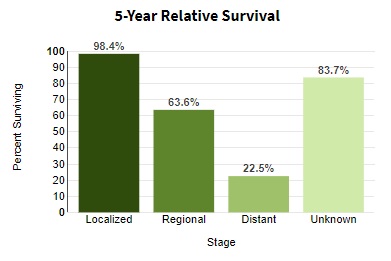
Early melanoma often appears as a new or changing pigmented spot. Clinicians use visual inspection, dermoscopy and, when a lesion is suspicious, an excisional biopsy to confirm the diagnosis. Histologic assessment determines tumor depth and other features that guide prognosis. Two commonly referenced measures are Breslow thickness (depth of invasion) and clinical staging, which together predict the risk of spread beyond the primary lesion.
Risk factors and causes
Ultraviolet (UV) radiation from sun exposure or tanning devices is the principal environmental risk factor. Populations with fair skin, freckling, many moles, a family history of melanoma or certain inherited gene changes have increased susceptibility. Geographic areas with intense sunlight, such as parts of Australia and New Zealand, show higher incidence; historically this has been linked in part to depletion of the ozone layer and lifestyle factors like beach recreation. Public discussion sometimes references the atmospheric hole as a contributing element to increased UV exposure in some regions.
Types and spread
Melanoma can be classified by location and growth pattern: superficial spreading, nodular, lentigo maligna, acral lentiginous, and those arising in the eye (uveal melanoma) or mucous membranes. Melanoma that has metastasised beyond the primary site may reach lymph nodes, lungs, liver, brain or other organs. Uveal melanoma behaves differently from cutaneous melanoma and often metastasizes to the liver.
Treatment approaches
When detected early, surgical removal of the primary lesion is often curative. For advanced disease, treatment options have expanded in recent years: immunotherapies (including checkpoint inhibitors), targeted agents for tumors with mutations such as BRAF, and local or systemic chemotherapy in selected cases. Historical treatments included agents like dacarbazine and high-dose interleukin-2; newer agents such as ipilimumab and PD-1 inhibitors have improved outcomes for some patients. Regional therapies, for example isolated perfusion of the liver with agents such as melphalan, may be used for metastases confined to specific organs.
Prevention, surveillance and public health
Prevention emphasizes minimizing UV exposure through sunscreen, protective clothing and avoiding tanning devices. Regular skin self-exams and professional skin checks help detect suspicious lesions early. Public health efforts target high-risk groups and regions with elevated incidence to reduce late-stage presentations.
Notable facts and resources
- Melanocytes occur in multiple tissues; ocular melanomas are an important subtype (uveal melanoma).
- Although less frequent than basal or squamous cell carcinomas, melanoma causes the majority of deaths from skin cancer, with tens of thousands of deaths reported globally each year.
- Management is multidisciplinary and may include surgery, systemic therapy and organ-directed treatments depending on disease extent and location (for example, therapies applied to skin lesions or to internal metastases).
For more detailed clinical guidance, research updates and patient information, consult specialized dermatology and oncology sources: malignant tumor resources and major cancer care centers provide current protocols and trials.
Related articles
Author
AlegsaOnline.com Melanoma: causes, types, diagnosis, treatment, and prevention Leandro Alegsa
URL: https://en.alegsaonline.com/art/63628
Sources
- nlm.nih.gov : Melanoma Death Rate Still Climbing
- seer.cancer.gov : Cancer Stat Fact Sheets
- who.int : Solar Ultraviolet Radiation: Global burden of disease from solar ultraviolet radiation
- proleukin.com : "(aldesleukin) - Metastatic Melanoma Clinical Data"
- webmd.com : "New Drug Extends Lives of Melanoma Patients"
- hemonctoday.com : "Percutaneous hepatic perfusion with melphalan improved hepatic PFS in ocular, cutaneous melanoma"