
Matryoshka: the Russian nesting doll — design, history, and cultural role
Matryoshka, or Russian nesting doll, is a set of painted wooden figures placed one inside another. This article covers its design, origins, regional styles, cultural meanings, and modern uses.
Overview
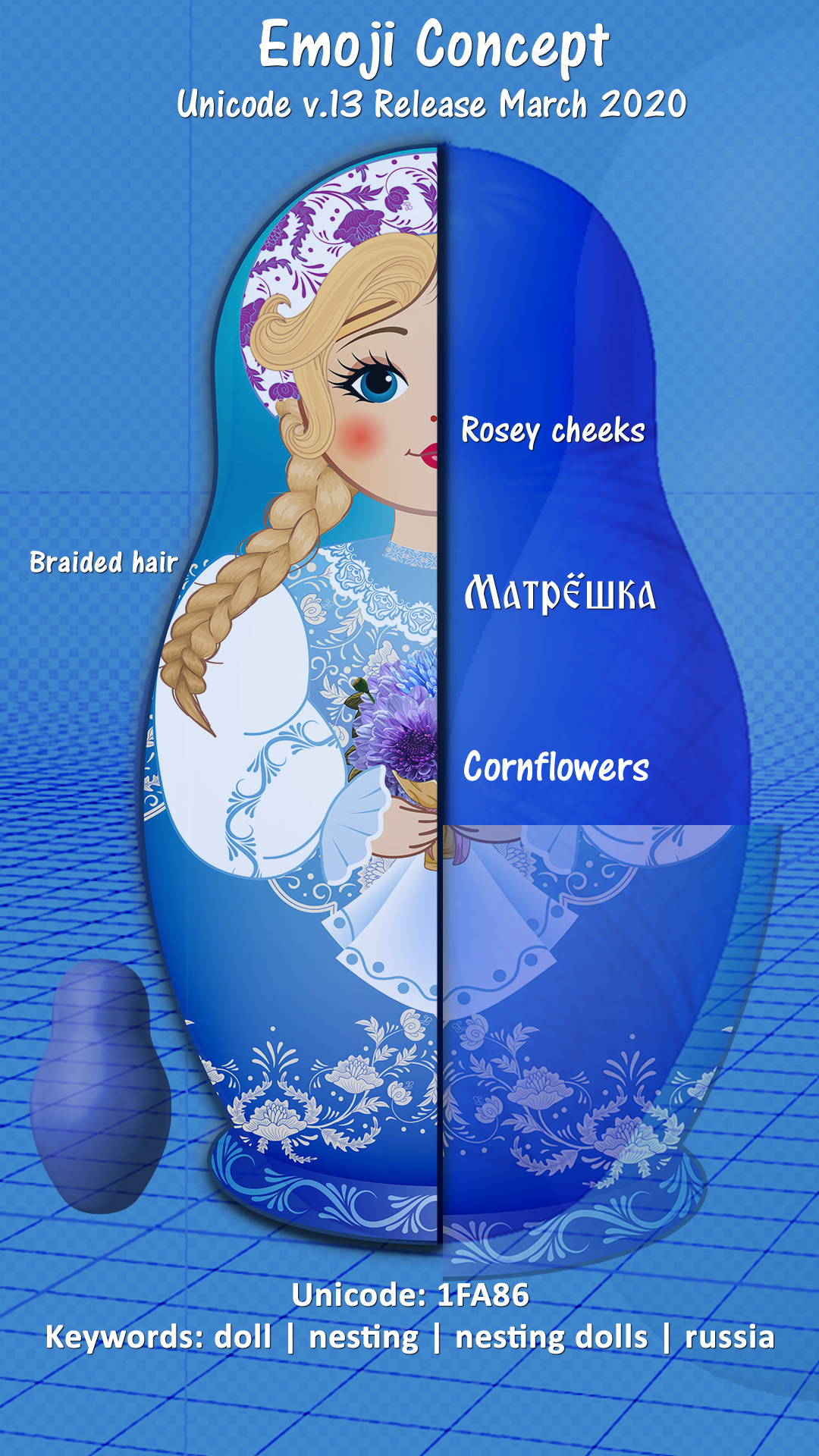
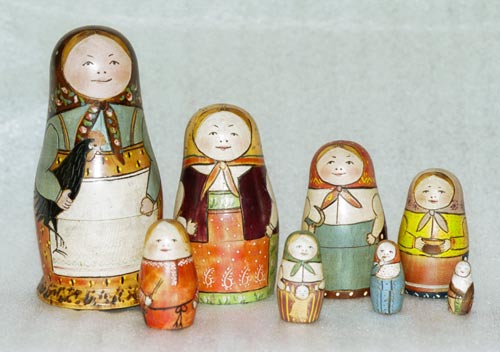
The matryoshka (Russian: мáтрёшка) is a set of wooden dolls of graduated size that fit one inside the other. Often described in English as a "nesting doll" or "Russian doll," a matryoshka usually has a larger outer figure and several progressively smaller figures nested within. Although commonly called a single "doll," a true matryoshka is a multi-piece ensemble whose form and decoration reflect popular folk motifs.
Image gallery
10 Images



Form and construction
Traditional matryoshka are carved from a single type of wood and finished with paint and lacquer. The most frequently used timbers are soft, fine-grained woods suitable for turning and hollowing. Artists typically shape the largest figure in two halves that screw or press together, then place the next smaller complete figure inside, continuing until the smallest solid piece crowns the set.
Decoration and styles
Surface decoration ranges from simple floral motifs to highly detailed painted costumes, scenes, or portraits. Several regional painting traditions developed distinctive appearances; some emphasize bright, stylized flowers and folk costumes, while others show landscapes, fairy-tale characters, or political figures. Sets vary in the number of pieces, commonly from three to a dozen or more; the smallest piece is often a solid, unopenable figurine.
Origins and history
The matryoshka emerged in the late 19th century as a Russian folk craft inspired by earlier nesting objects from other cultures. Its modern form and name reflect a blend of local woodworking and painting techniques and a cultural emphasis on family and motherhood. The word "matryoshka" derives from the female personal name Matryona, a name historically associated with maternal roles and fertility; the largest doll is commonly interpreted as the "mother" enclosing her children.
Cultural significance and uses
Matryoshka serve as souvenirs, decorative objects, and educational toys. They communicate ideas about genealogy, repetition, and continuity, and they are frequently given as gifts that symbolize family, fertility, or layered meanings. Beyond traditional motifs, contemporary artists have adapted the format for satire, advertising, and political commentary, producing sets that depict public figures, animals, or conceptual themes.
Examples and distinctions
- Common English names include "nesting doll," "babushka doll," and colloquial monikers such as "Aunt Olga" or "Mommy doll"; these reflect how the object is understood outside Russia.
- Regional Russian centers of production contributed distinctive approaches to carving and painting; museums and collectors often classify sets by workshop or style.
- Materials and techniques matter: the choice of wood, the number of nested pieces, and the painting method affect both value and authenticity.
Where to see and learn more
Matryoshka are widely available in craft markets and are popular as a national souvenir. They are exhibited in folk-art collections and museums in Russia and internationally. For practical guides on making or identifying matryoshka, consult craft schools and regional workshops, as well as general references on traditional Russian arts and crafts (traditional craft, language and name, and woodturning techniques).
Whether admired for their technical simplicity or for the symbolic layers they embody, matryoshka remain one of the most recognizable forms of Russian decorative art and a versatile medium for both folk and contemporary expression. For notes on regional painting schools and collecting practices, specialized resources and craft centers provide further information (souvenir context, museum displays, name origins).
Related articles
Author
AlegsaOnline.com Matryoshka: the Russian nesting doll — design, history, and cultural role Leandro Alegsa
URL: https://en.alegsaonline.com/art/62855