
Marwar — the Jodhpur region of Rajasthan
Marwar is a historical region in western India around Jodhpur, known for its arid landscape, Rajput heritage, Umaid Bhawan Palace and a history as a former princely state that joined independent India.
Marwar is a historical and geographic region in western India centered on the city of Jodhpur. It lies within the modern state of Rajasthan and was once administered as the princely Jodhpur state. The region occupies part of the Thar Desert and has long been characterized by aridity, sparse vegetation, and periodic famines that shaped its economy and society.
Image gallery
10 Images

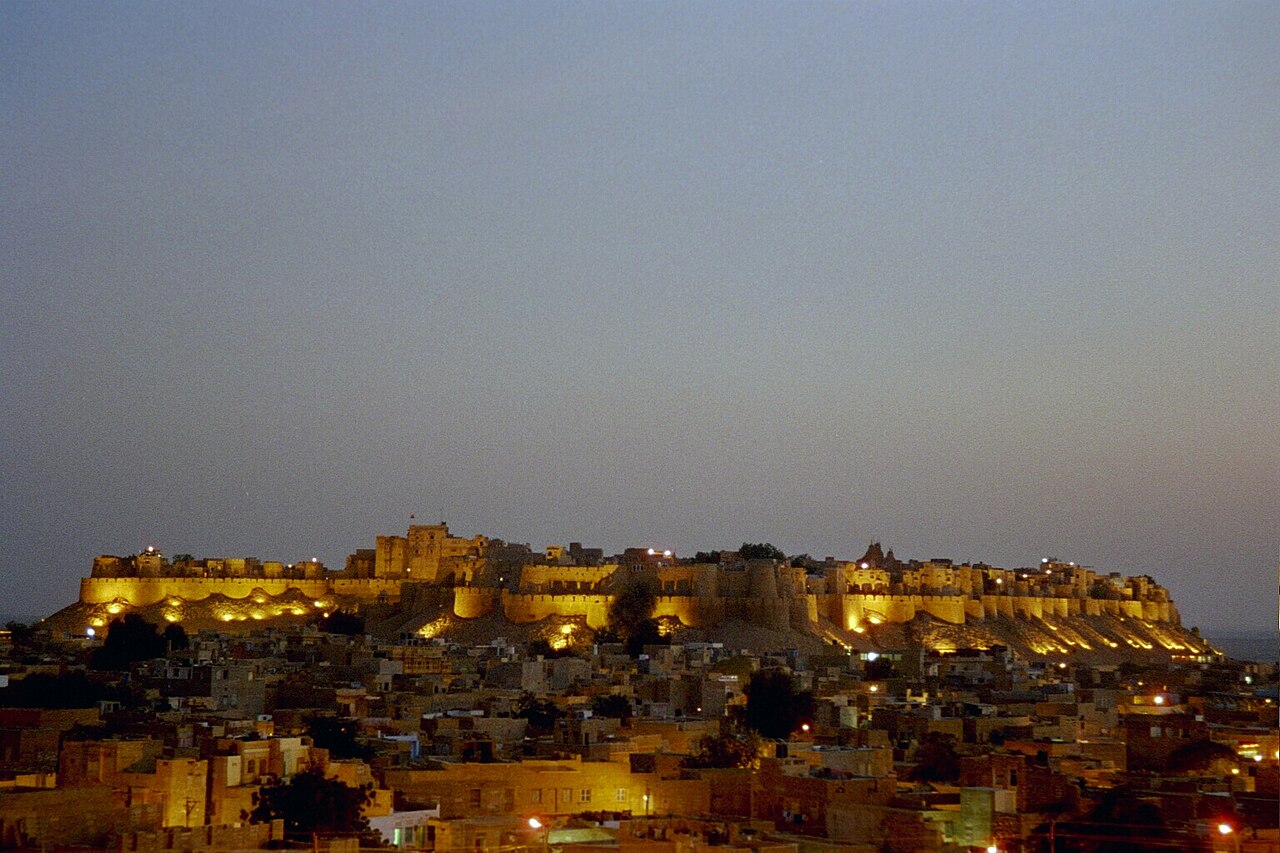


Name and landscape
The name "Marwar" is commonly taken to reflect the harshness of the local environment; traditional explanations translate it as a form of "land of death" or refer to the desert character of the country. Marwar's terrain includes sand dunes, rocky outcrops and dry plains; irrigation and wells have been important where settlement persisted. The region has its own dialects and cultural patterns that distinguish it from neighbouring areas such as Mewar.
History and princely Jodhpur
For centuries Marwar was ruled by Rajput dynasties based at Jodhpur. The area became a princely state under British suzerainty in the 19th and early 20th centuries, administered by a hereditary Maharaja. During a severe famine in the early 20th century, Maharaja Umaid Singhji commissioned the construction of Umaid Bhawan Palace in Jodhpur as a large public works project to provide employment and to create a durable civic landmark.
At the time of Indian independence in 1947 the rulers of princely states faced decisions about accession. Contemporary accounts indicate that the Jodhpur ruler at one point explored different options, including an inclination (reported by some sources) to consider joining Pakistan; senior British officials, including Lord Mountbatten, advised against moves likely to provoke communal difficulty. Ultimately Jodhpur acceded to the newly independent Dominion of India, and the princely administration was integrated into the Indian state system.
Culture, economy and significance
Marwar is noted for its Rajput architecture, martial traditions, and a rich folk culture expressed in music, handicrafts and textiles. Jodhpur’s fortresses, palaces and temples are major cultural landmarks. Historically, animal husbandry, limited agriculture, trade and artisanal production sustained local communities; the merchant community known as Marwaris has been influential in regional commerce.
Notable places and distinctions
- Umaid Bhawan Palace — a large palace complex built in the 20th century as a public employment project.
- Mehrangarh Fort and other historic forts in and around Jodhpur, reflecting the region’s Rajput heritage.
- Distinctive Marwari dialects and folk traditions that set Marwar apart from adjacent regions.
Today Marwar forms an important part of Rajasthan’s cultural tourism and heritage industries while remaining identifiable as a historic region shaped by its arid climate, warrior lineages and urban centers such as Jodhpur.
Related articles
Author
AlegsaOnline.com Marwar — the Jodhpur region of Rajasthan Leandro Alegsa
URL: https://en.alegsaonline.com/art/62447
Sources
- hcraj.nic.in : hcraj.nic.in/history.htm
- maharajajodhpur.com : maharajajodhpur.com/hh/hist_hanwant.htm