
Louis Mountbatten, 1st Earl Mountbatten of Burma
British naval officer and statesman, last Viceroy of India and senior Royal Navy leader; noted for wartime commands, postwar service, role in Indian independence, and his 1979 assassination.
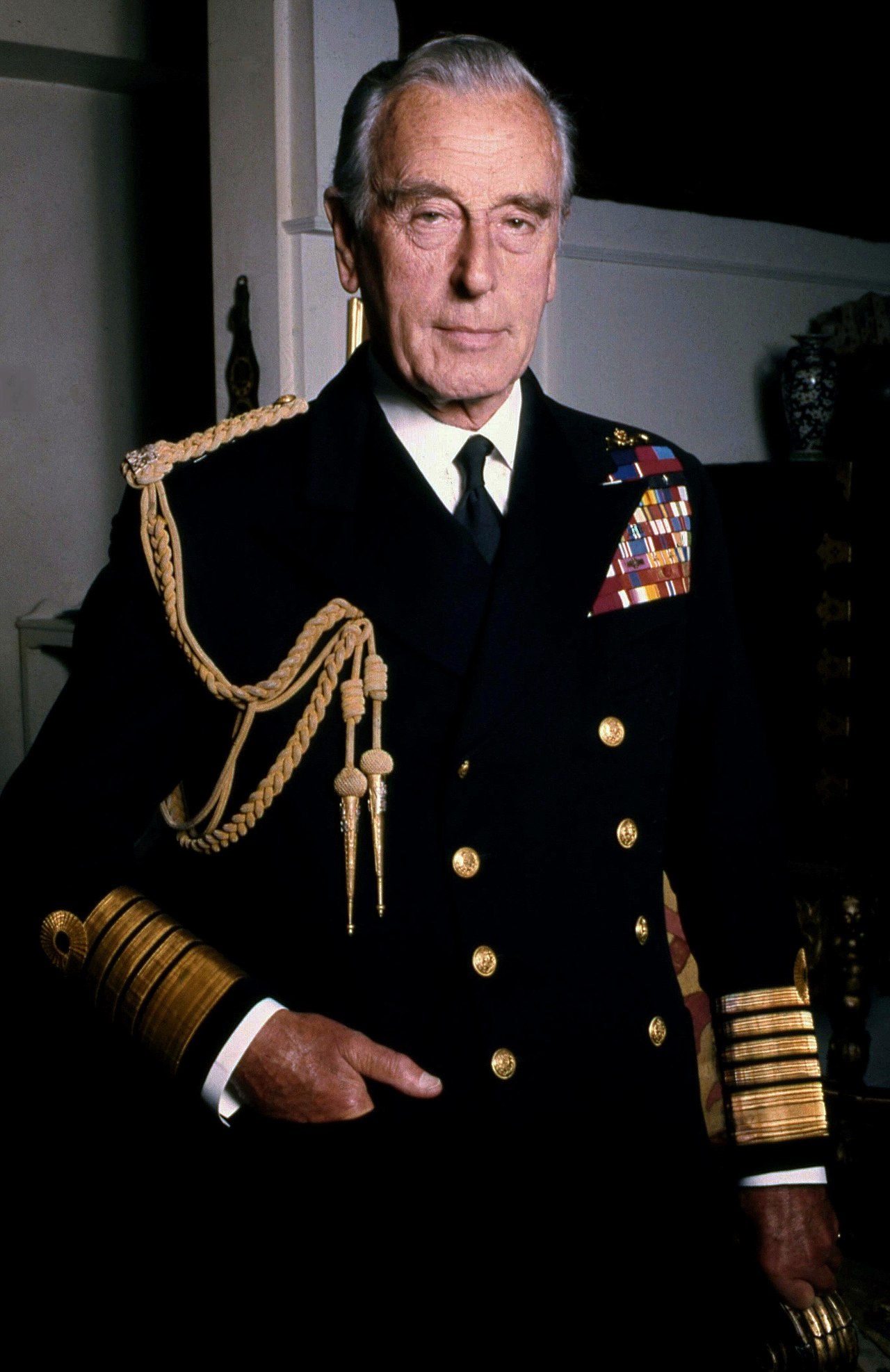
Louis Mountbatten (25 June 1900 – 27 August 1979), 1st Earl Mountbatten of Burma, was a senior British Royal Navy officer and public figure who combined naval command, imperial office and close personal ties to the British royal family. Born Prince Louis of Battenberg, he became an influential officer in both world wars, served in top defence posts after 1945, and was the last Viceroy of India at the moment of British withdrawal. His career and life continue to attract attention for their mixture of military achievement, political consequence and public controversy.
Image gallery
2 Images
Early life and family
Mountbatten was born into a family of German princely origin that had become naturalized in Britain; during the First World War the family name was anglicized from Battenberg to Mountbatten. He was a close relative of the British royal family and an uncle of Prince Philip, Duke of Edinburgh, which helped shape his public profile. Educated for a naval career, he entered the Royal Navy as a cadet and served at sea during the First World War, beginning a service that would span more than five decades. For a concise overview of his background see biographical summaries.
Naval career and wartime commands
Mountbatten rose through the naval ranks between the wars and held several important commands during the Second World War. He was appointed to lead Allied naval and combined operations in the South-East Asian theatre and later held senior staff appointments that dealt with complex amphibious operations and joint planning. After 1945 he continued to occupy senior defence roles, culminating in posts such as First Sea Lord and later Chief of the Defence Staff. His naval record and administrative style are discussed in many studies of 20th-century British naval history; see naval career and wartime leadership for further reading.
Viceroy of India and the end of Empire
In 1947 Mountbatten was appointed the last Viceroy of British India and charged with overseeing the transition to independence. He played a central role in the accelerated timetable for withdrawal and in the partition that created the independent states of India and Pakistan. His actions, decisions and the speed of the handover remain subjects of historical analysis and debate: supporters credit the practical achievement of ending colonial rule, while critics point to the human cost and administrative shortcomings around the partition. Two accessible accounts of this period can be found at Viceroyalty and transfer and partition studies.
Later service, honours and public life
After India, Mountbatten returned to high naval office and later served as Chief of the Defence Staff, advising on Cold War strategy and defence organisation. He was created Earl Mountbatten of Burma in recognition of wartime service and public duties and received numerous British and foreign honours. His public life extended beyond uniformed service into diplomacy, charitable work and involvement with service associations. For summaries of his postwar roles see postwar appointments and honours and recognition.
Assassination and legacy
Mountbatten was killed in 1979 by a bomb attributed to a paramilitary group while on holiday; the killing provoked wide public reaction in Britain and Ireland and remains a defining element of his final years. His legacy is complex: he is remembered as an effective naval commander and energetic public servant, but also as a controversial figure for his part in the hurried end of British rule in India and for aspects of his political influence. Scholarly and popular treatments consider both his accomplishments and the contested aspects of his career; further discussion is available at legacy analysis, historical debate and reassessment and archives.
- Key roles: Royal Navy officer, Supreme Allied commander in South-East Asia, Last Viceroy of India, First Sea Lord, Chief of the Defence Staff.
- Personal: Born Prince Louis of Battenberg; anglicized family name to Mountbatten; close royal relative.
- Contested events: 1947 partition and its consequences; public and private influence on policy.
For readers seeking primary sources or documentary collections, official papers and memoirs are held in archives and collections cited by specialist studies; the links above point to starting points for research and commentary.
Related articles
Author
AlegsaOnline.com Louis Mountbatten, 1st Earl Mountbatten of Burma Leandro Alegsa
URL: https://en.alegsaonline.com/art/125392