
Mascarene Islands — Indian Ocean archipelago of Réunion, Mauritius and Rodrigues
Volcanic island group east of Madagascar known for unique flora and fauna, colonial history, the dodo's extinction, and varied political status: Réunion (France) and the Republic of Mauritius (including Rodrigues).
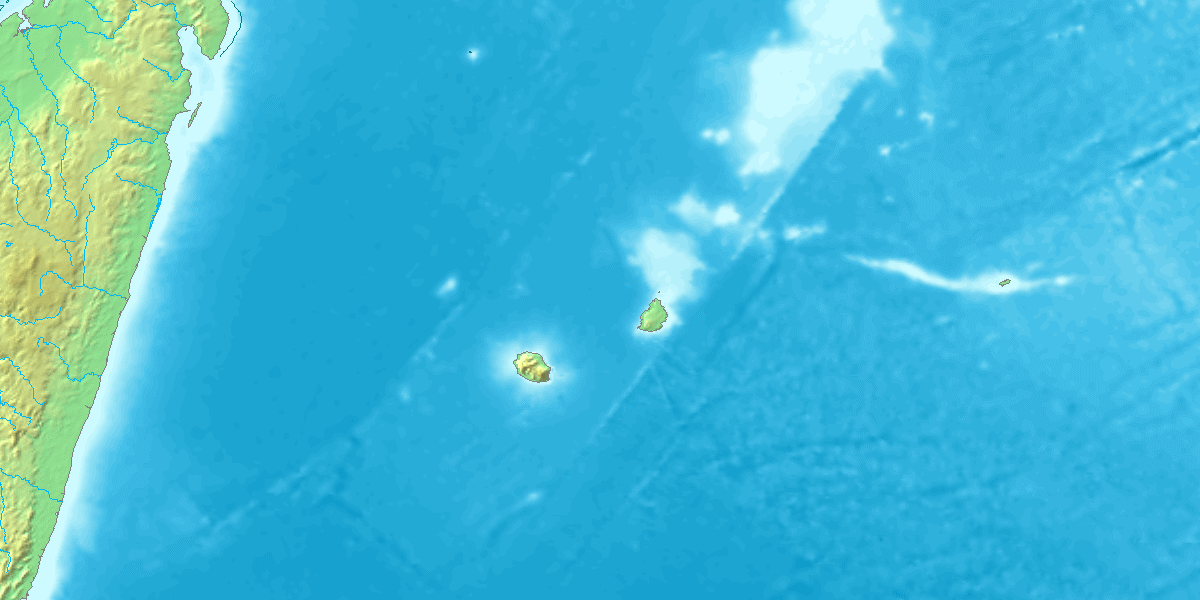
The Mascarene Islands are an island group in the western Indian Ocean, located east of Madagascar. The name derives from the Portuguese navigator Pedro Mascarenhas, who visited the chain in the early 16th century; in French they are often called Mascareignes. The three principal islands are Réunion, Mauritius and Rodrigues, together with several smaller islets and coral outcrops. The Mascarene group is widely recognised as a single biogeographic unit and is commonly treated as a distinct ecoregion.
Image gallery
10 Images





Geology and geography
The islands formed through volcanic activity associated with a volcanic track commonly called the Réunion hotspot, which produced a chain of underwater plateaus and isolated highs now visible as islands and submerged banks. The Mascarene Plateau is the shallow submarine feature that connects or underlies much of the archipelago. Topography ranges from coastal reefs and beaches to steep volcanic peaks and cirque-like valleys on the larger islands. The three main islands vary in size, geology and age, and lie several hundred kilometres southeast of Madagascar and other western Indian Ocean landmasses.
Flora, fauna and ecological importance
The Mascarene Islands developed highly distinctive flora and fauna because they were long isolated from continental regions. Native ecosystems once included dense forests, wetlands and coastal habitats that supported many endemic plants and animals. A number of species became extinct after human arrival, most famously the flightless dodo of Mauritius and the Rodrigues solitaire; large tortoises, many bird species and invertebrates were also lost or severely reduced. Some endemic species and remnant habitats survive today, often restricted to protected areas or remote mountain slopes.
Human settlement and historical overview
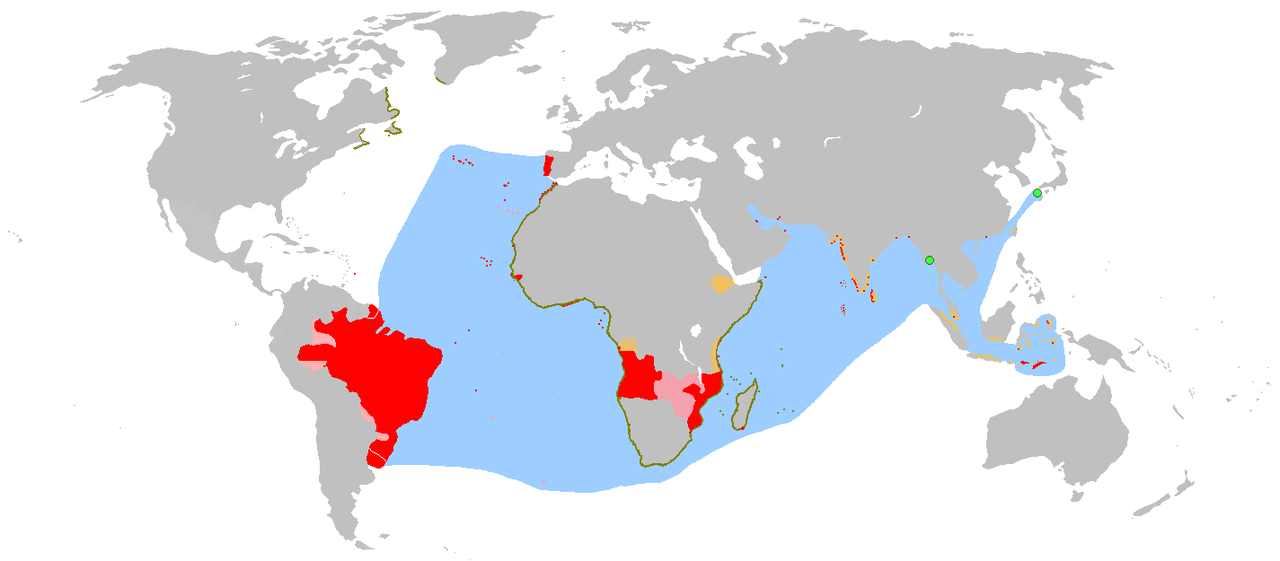
Before European navigators reached them, the Mascarene Islands had no permanent human population. From the 16th century onward they were visited, claimed and settled by sailors, traders and colonists from Europe, Africa and Asia. Successive waves of settlement and economic development — including plantations for sugar, spice and other tropical crops — profoundly altered the islands' landscapes and biological communities. Colonial-era exploitation, introduced mammals, and habitat destruction were central factors in many extinctions and long-term ecological change.
Political status and contemporary life
Today the islands have different political arrangements. Réunion is administratively a French overseas department and integrates into France and the European Union systems, while Mauritius is an independent republic that includes the smaller island of Rodrigues within its national territory. Economies rely on a mix of tourism, agriculture, fisheries and services, with modern urban centres as well as rural and conservation areas. Cultural life is shaped by African, European, Indian and Asian influences in language, cuisine and religion.
Conservation challenges and significance
Because of their unique natural heritage and high levels of endemism, the Mascarene Islands are a focus for conservation and restoration efforts. Threats include invasive species, habitat conversion for agriculture and urban development, and climate-related pressures such as sea-level rise and changing weather patterns. Conservation programs on the islands emphasise habitat protection, species recovery and control of introduced predators, and involve local communities, national governments and international partners. The islands are frequently cited in studies of island biogeography, extinction dynamics and ecological restoration.
- Principal islands: Réunion, Mauritius, Rodrigues.
- Origin of name: Pedro Mascarenhas, early 16th century.
- Notable extinct species: dodo, Rodrigues solitaire, several tortoise populations.
- Geological driver: Réunion hotspot and Mascarene Plateau.
Further reading on the islands' natural history, current conservation programs and travel information can be found through specialist sources and regional authorities; general overviews and ecological assessments treat the group as a coherent unit because of its shared geological origin and biological connections. For regional context and maps see entries listed under the island names or the broader group of islands and western Indian Ocean references.
Relevant link anchors in this article: Mascareignes, group of islands, Indian Ocean, Madagascar, Mauritius, Réunion, Réunion hotspot, distinct ecoregion, flora, fauna, dodo, French overseas department.
Questions and answers
Q: What are the Mascarene Islands?
A: The Mascarene Islands are a group of islands in the Indian Ocean east of Madagascar, including Mauritius, Réunion, and Rodrigues.
Q: Who first visited the Mascarene Islands?
A: The Mascarene Islands were first visited by the Portuguese navigator Pedro Mascarenhas in April 1512.
Q: How were the Mascarene Islands formed?
A: The Mascarene Islands were formed by the volcanism of the Réunion hotspot beneath the Mascarene Plateau.
Q: What is the ecology of the Mascarene Islands?
A: The Mascarene Islands are a distinct ecoregion with a unique flora and fauna, including extinct animals like the dodo and the Rodrigues solitaire, and still has some endemic birds and reptiles.
Q: Did the Mascarene Islands have humans before ships found them?
A: Before the ships found the islands, the Mascarene Islands had no humans.
Q: Who governs Mauritius?
A: Mauritius styles itself as the Republic of Mauritius and is self-governed.
Q: What is the nearest landmass to the Mascarene Islands?
A: The nearest landmass to the Mascarene Islands is Madagascar, which is 680 km northwest of Réunion.
Related articles
Author
AlegsaOnline.com Mascarene Islands — Indian Ocean archipelago of Réunion, Mauritius and Rodrigues Leandro Alegsa
URL: https://en.alegsaonline.com/art/62610