
Artemisia annua (sweet wormwood): description, uses, and significance
Artemisia annua, or sweet wormwood, is an annual herb native to temperate Asia. It is the botanical source of artemisinin, a key antimalarial compound, and has uses in traditional medicine and cultivation.
Artemisia annua is an annual herb in the Asteraceae family commonly called sweet wormwood, sweet annie, or annual mugwort. In Chinese it is known as 黄花蒿 (pinyin: huánghuāhāo). Native to temperate regions of Asia, the species has become naturalized in many other areas, including parts of North America where it appears in disturbed habitats and roadside sites (temperate Asia origin, North American records).
Image gallery
3 Images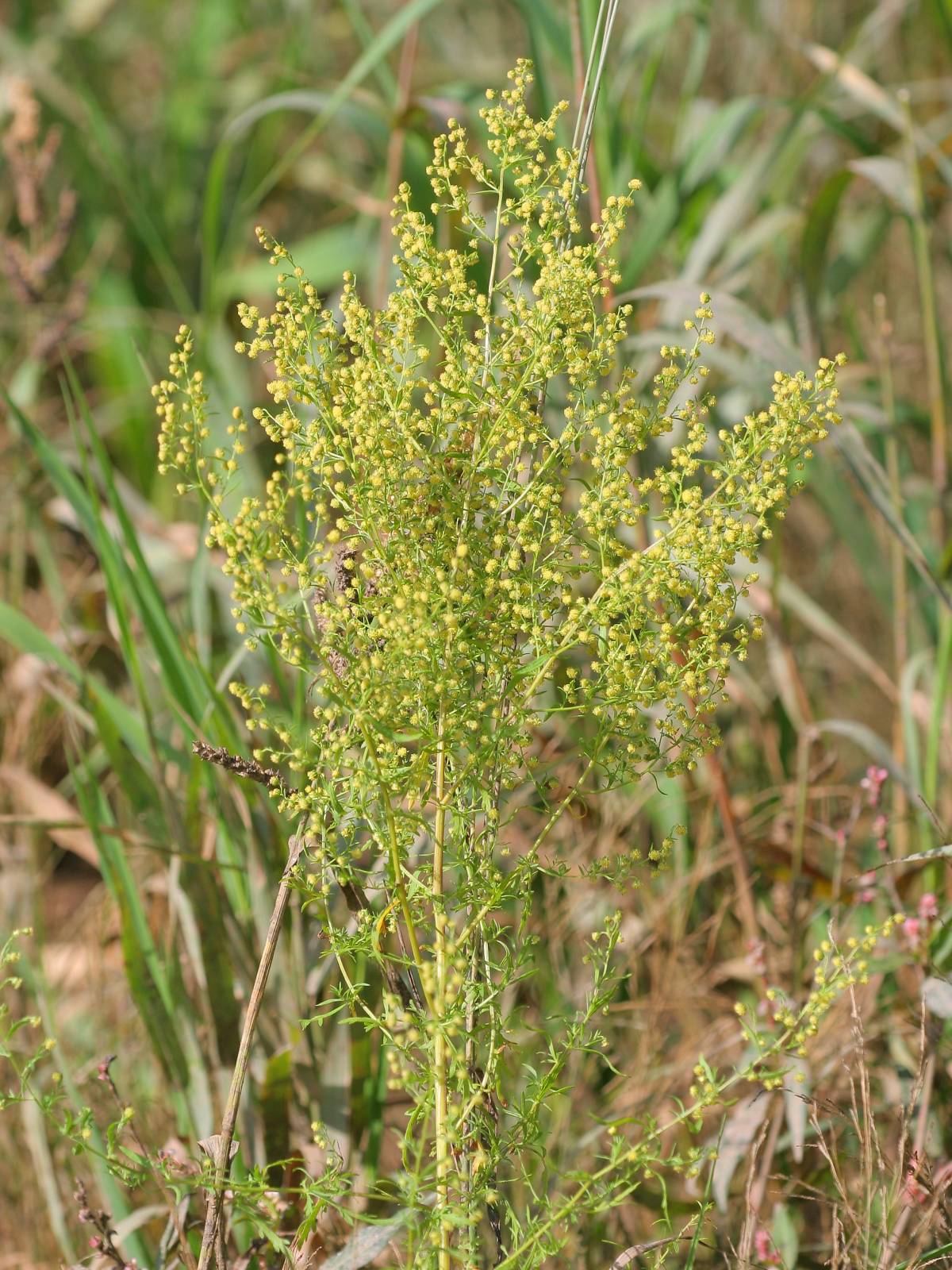

Botanical characteristics
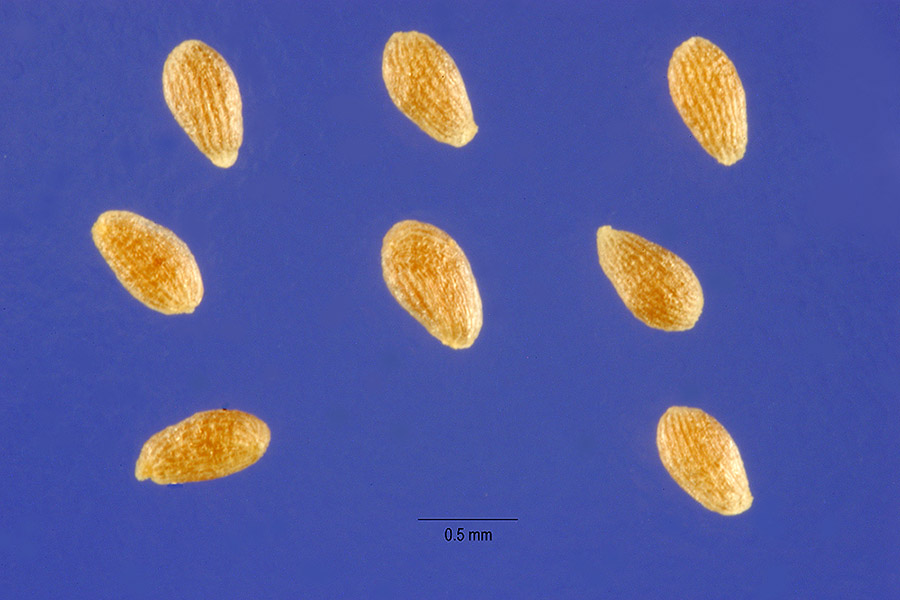
Artemisia annua is an upright, fast-growing annual that typically reaches about one meter in favorable conditions. Leaves are alternate and deeply divided, giving a feathery appearance; they emit a sweet, aromatic fragrance when crushed. Small yellow or greenish flower heads form in loose panicles in late summer. The plant completes its life cycle in a single season and produces numerous tiny seeds that allow for wide dispersal.
Chemistry and medical importance
The species is best known as the natural source of artemisinin, a sesquiterpene lactone with potent antimalarial activity. Artemisinin and its semisynthetic derivatives are the basis of artemisinin-based combination therapies (ACTs), which are frontline treatments for Plasmodium falciparum malaria in much of the world. The discovery and development of artemisinin from traditional preparations of the plant is a notable example of modern drug development informed by traditional medicine; the work was recognized by the 2015 Nobel Prize in Physiology or Medicine.
Traditional and contemporary uses
- Traditional medicine: Historically used in Chinese herbal medicine (qinghao) for fevers and other ailments.
- Modern medicine: Cultivated and processed for extraction of artemisinin for clinical use in antimalarial drugs.
- Research and agriculture: Investigated for pest management, potential antimicrobial properties, and as a model for metabolic engineering of artemisinin in microbes and plants.
Cultivation, harvest and sustainability
Artemisia annua prefers full sun and well-drained soils; it is cultivated both in open fields and in controlled facilities to maximize artemisinin yield. Because wild harvesting and variable crop yields can affect supply and price of the drug precursor, efforts include selective breeding, optimized agronomy, and biotechnological production of artemisinin to improve sustainability and availability for global health programs.
Safety, conservation and notable distinctions
While the plant is generally non-toxic in culinary amounts, concentrated extracts and raw plant infusions should not replace clinically recommended antimalarial treatments. Artemisinin derivatives are used in regulated pharmaceutical formulations; improper self-medication can lead to treatment failure and encourage drug resistance. Botanically, Artemisia annua is distinct from perennial mugworts and other Artemisia species by its annual lifecycle, fragrance, and the presence of artemisinin-rich glandular trichomes.
For further reading about taxonomy, cultivation techniques, and clinical use, consult botanical and medical sources indexed by regional floras and public health guidelines (Chinese name and herb listings, pinyin and traditional uses, native range, naturalization records).
Related articles
Author
AlegsaOnline.com Artemisia annua (sweet wormwood): description, uses, and significance Leandro Alegsa
URL: https://en.alegsaonline.com/art/6244
Sources
- theplantlist.org : The Plant List Artemisia annua L.
- forest.go.kr : English Names for Korean Native Plants · web.archive.org
- bsbi.org.uk : "BSBI List 2007"
- efloras.org : Flora of China Vol. 19, 20 and 21 Page 523 Sweet Annie, sweet sagewort, armoise annuelle Artemisia annua Linnaeus, Sp. Pl. 2: 847. 1753.
- efloras.org : Flora of China Vol. 20-21 Page 691 黄花蒿 huang hua hao Artemisia annua Linnaeus, Sp. Pl. 2: 847. 1753
- efloras.org : Flora of Pakistan
- luirig.altervista.org : Altervista Flora Italiana, Assenzio annuale Artemisia annua L.