
Hot chocolate (hot cocoa, drinking chocolate)
A warm beverage of melted chocolate or cocoa mixed with milk or water. Covers ingredients, preparation, history from Mesoamerica to Europe, regional varieties, cultural role, and health notes.
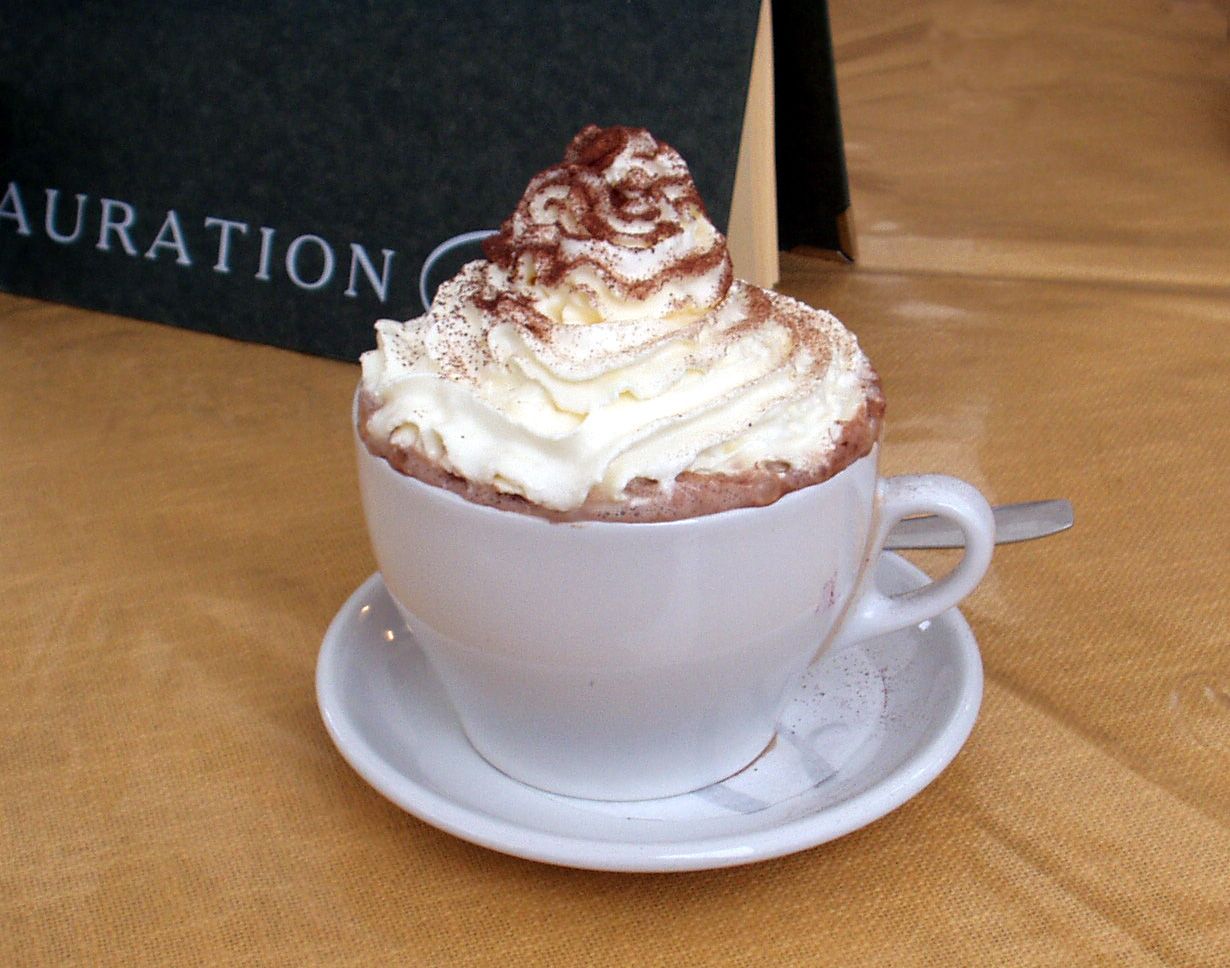
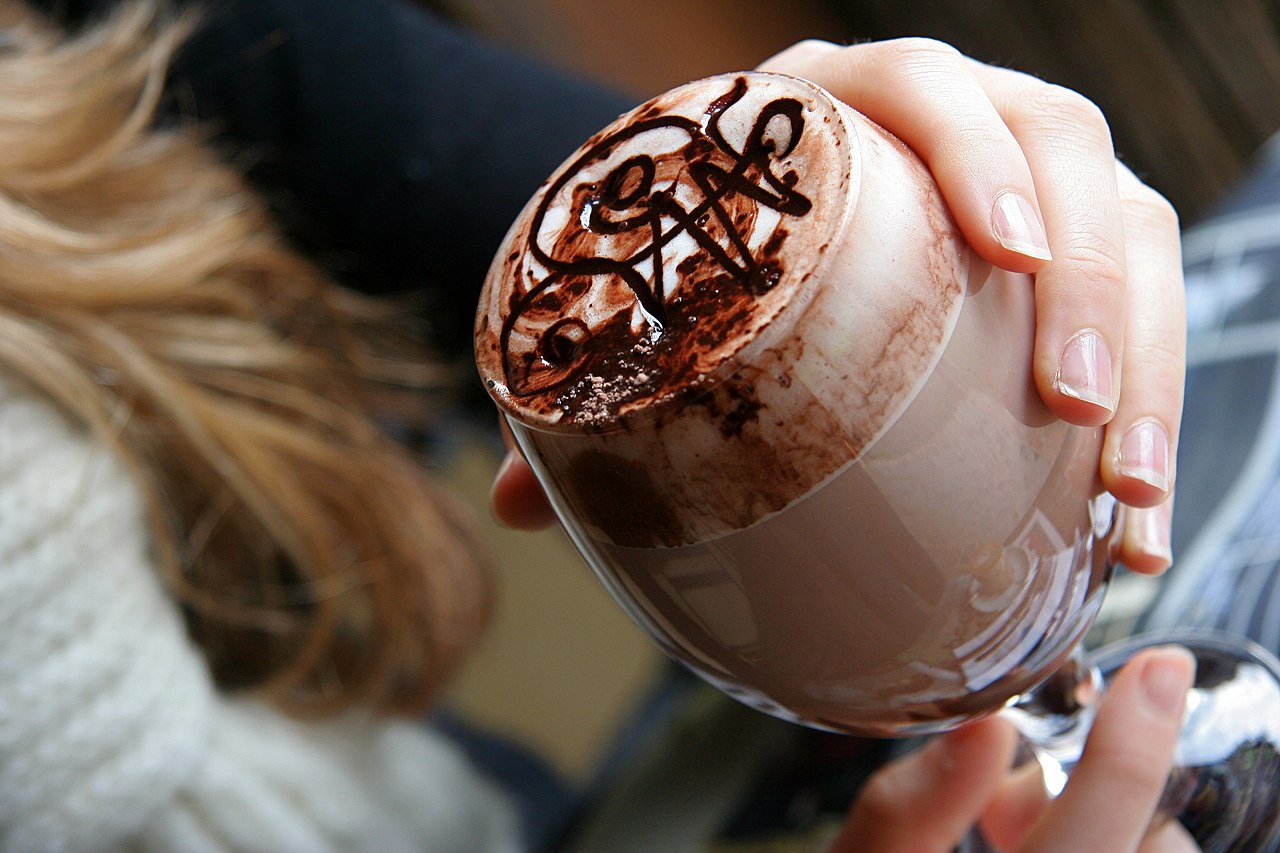
Hot chocolate, also called hot cocoa or drinking chocolate, is a warm beverage made by blending chocolate or processed cocoa with a liquid and often a sweetener. Traditional recipes use either melted solid chocolate or unsweetened cocoa powder combined with milk or water, and are typically sweetened with sugar or other sweeteners such as honey or syrups (common sweeteners). Commercial instant mixes and artisanal drinking chocolates differ in concentration and texture, but the basic concept remains: dissolving cocoa solids and fat into a warm base to create a comforting drink (chocolate).
Image gallery
10 Images





Ingredients and typical preparation
Basic hot chocolate contains three elements: cocoa solids, fat (from cocoa or added dairy), and a liquid. Using whole milk or cream yields a richer, creamier result; water or low-fat milk produces a lighter cup. Some recipes add spices (for example cinnamon or vanilla), salt, whipped cream, or marshmallows as toppings. The final thickness varies from thin, milky cocoa to dense, pudding-like preparations depending on the ratio of chocolate to liquid and if starch or additional chocolate is used.
History and origins
The drink traces its roots to Mesoamerica, where the Maya were preparing bitter, spiced cocoa beverages many centuries ago. Later the Aztecs consumed a frothy chocolate drink with ceremonial and social importance; historical accounts place such consumption by around the time often cited for the Aztec empire (early records, medieval chronology). European contact with the Americas introduced cocoa to Spain and then the rest of Europe; the beverage was adapted over time with added sugar and dairy, transforming it from a bitter ceremonial beverage into a sweet, popular drink (European adoption, Mexican origins, New World transfer).
Regional varieties and notable styles
- Italy: very thick, almost spoonable, versions often called cioccolata densa (Italian style).
- United States and other countries: thinner, milk-based hot cocoa commonly sold as instant mixes (American hot cocoa).
- Mexico: traditional preparations such as champurrado are made with masa or corn flour and spices, producing a different texture and flavor profile.
- Other traditions: bean-to-bar drinking chocolates, spiced European recipes, and contemporary vegan versions use plant milks and alternative sweeteners.
Health, uses and cultural significance
Cocoa contains natural compounds such as flavonoids and other antioxidants that have been studied for possible cardiovascular and cognitive effects; however, the health impact depends on cocoa concentration, processing, added sugar, and portion size (antioxidant research). Historically, hot chocolate was sometimes recommended by physicians and used as a restorative until the 19th century, when medical practice and beverage processing changed. Today the drink is enjoyed for warmth, comfort, social ritual, and seasonal celebration rather than as medicine.
As a beverage, hot chocolate occupies a wide range from inexpensive instant mixes to high-end handcrafted drinking chocolates. Its names—hot chocolate, hot cocoa, drinking chocolate—often indicate differences in preparation and intensity: 'hot cocoa' tend to be lighter and made from powder, while 'drinking chocolate' or 'hot chocolate' may imply melted chocolate and a richer texture. For further reading and recipe variations, consult cultural and culinary resources linked above.
Questions and answers
Q: What is hot chocolate?
A: Hot chocolate is a hot drink made by mixing chocolate or cocoa powder, sugar, and usually a sweetener.
Q: Why is hot chocolate usually drunk?
A: Hot chocolate is usually drunk to make the drinker feel happier or warmer.
Q: What may make hot chocolate healthy?
A: Some studies suggest that hot chocolate may be healthy because of antioxidants that are in cocoa.
Q: Was hot chocolate ever used as a medicinal drink?
A: Yes, until the 1800s, hot chocolate was used by doctors as a medicinal drink.
Q: Who first made the hot chocolate drink?
A: It is believed that the hot chocolate drink was first made by the Mayan people about 2,000 years ago.
Q: Where did the Aztecs make a cocoa drink?
A: The Aztecs made a cocoa drink in Mexico by 1400 AD/CE.
Q: How has hot chocolate changed over time?
A: Hot chocolate has changed a lot since it was brought from Mexico into the New World and is used around the world today. It comes in many different types such as the very thick cioccolata densa in Italy and the thinner hot cocoa.
Related articles
Author
AlegsaOnline.com Hot chocolate (hot cocoa, drinking chocolate) Leandro Alegsa
URL: https://en.alegsaonline.com/art/45214
Sources
- co-lipidology.com : " "Evidence that the antioxidant flavonoids in tea and cocoa are beneficial for cardiovascular health"
- pharmj.com : "Chocolate: Indulgence or Medicine?"
- britannica.com : "Chocolate--Britannica"
- botanical.com : "Cacao"
- pubs.acs.org : "Cacao Drinks Date To 1150 B.C."
- fieldmuseum.org : "All About Chocolate"
- chocolate.be : "Etymology of the word chocolate"
- chestofbooks.com : "Materia Medica: Pharmacology: Therapeutics Prescription Writing For Students and Practitioners" · archive.is
- findarticles.com : findarticles.com
- whatscookingamerica.net : "Rediscover True Hot Chocolate - History of Hot Chocolate"
- exploratorium.edu : "The Sweet Lure of Chocolate"
- cadbury.co.uk : "Don Cortes"
- btcocoa.com : ""History of Hot Chocolate""
- chocolate.org.uk : "Cacao and Chocolate Timeline"