
Arson (deliberate fire-setting)
Arson is the intentional and unlawful setting of fires to property. This article explains what arson is, common methods and motives, investigation and prevention, legal distinctions, and notable cases.
Arson is the deliberate and unlawful ignition of a fire or explosion with the intent to damage property, endanger life, or achieve another criminal objective. The term typically applies when someone sets a fire to buildings, vehicles, land, or other property that they do not have a lawful reason to burn. Legal definitions vary by jurisdiction, but the key element is intentional or malicious ignition rather than accidental or lawful burning. For an overview of how laws treat arson in different places, see legal resources on arson.
Image gallery
6 Images


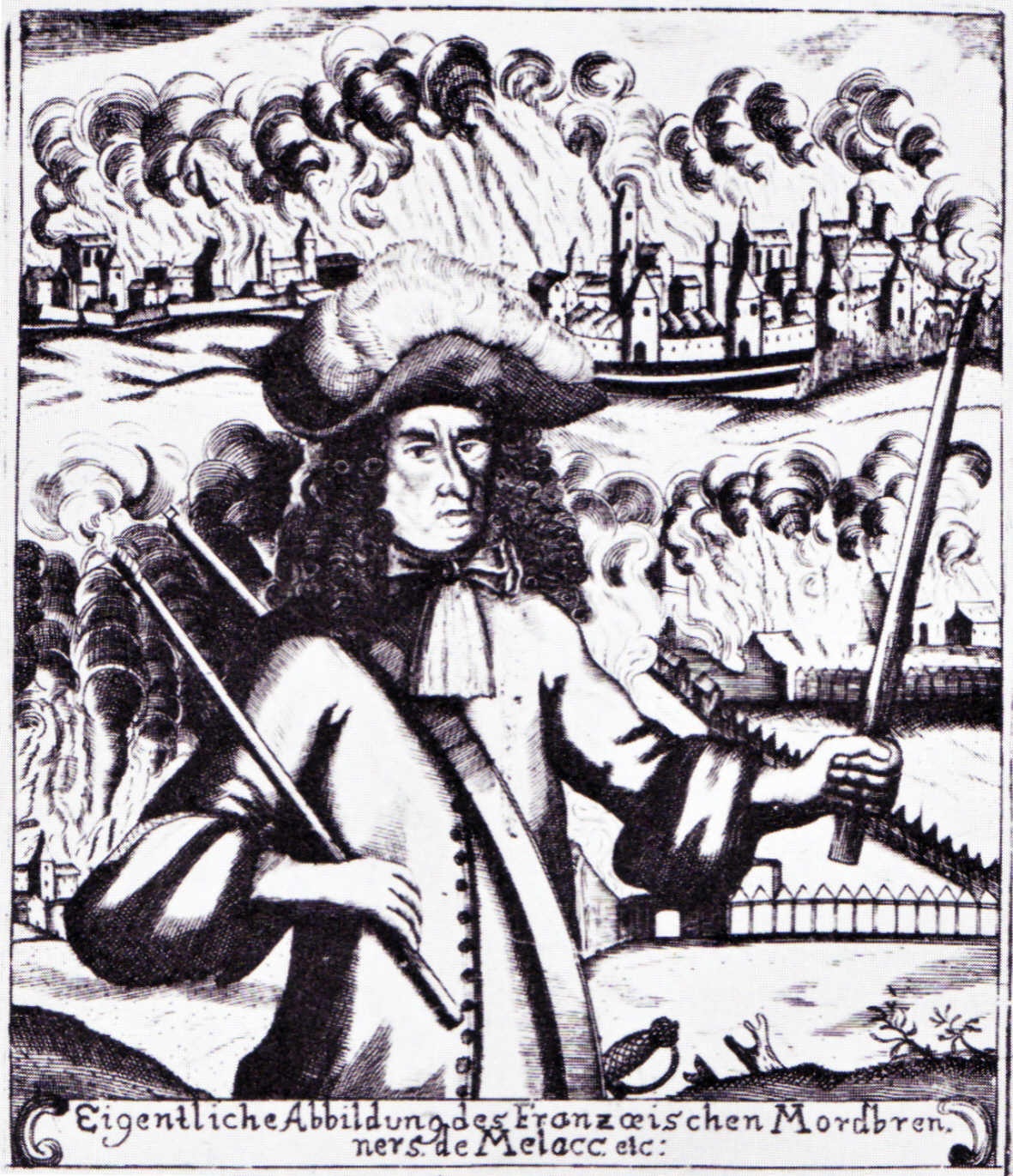
Characteristics and common methods
Arson can range from small acts of vandalism to large, deadly fires. Perpetrators often use easily obtained ignition sources and accelerants to start and spread a blaze. Typical ignition tools include open flames such as matches or lighters, improvised devices, or incendiary mixtures. Common accelerants include volatile liquids like gasoline and kerosene, which are chosen because they increase flame intensity and speed of spread. For details on techniques and how investigators interpret burn patterns, see resources on fire behavior and ignition methods.
Motives and contexts
- Psychological motives: some offenders seek excitement, revenge, or to express hatred.
- Financial motives: fires set for insurance fraud aim to destroy property to collect payouts.
- Political motives: arson has been used in protests, riots, and acts of terrorism to intimidate or damage opponents.
- Concealment: fires may be used to hide other crimes or destroy evidence.
Because motives vary, investigators examine both physical evidence and the social context surrounding a fire to identify potential suspects.
Investigation and prevention
Arson investigation combines fire science, forensic analysis, and traditional police work. Fire investigators look for signs such as multiple ignition points, unusual burn patterns, residues of accelerants, and tampering with safety systems. Modern techniques include chemical analysis to detect accelerants and reconstruction of fire progression to determine origin and cause. Prevention focuses on building design, early detection, and regulation: sprinkler systems, smoke alarms, fire-resistant materials, restricted storage of flammable liquids, and enforcement of safety codes all reduce the risk and impact of deliberate fires.
Legal consequences and distinctions
Arson is a serious criminal offense in most legal systems and can carry penalties ranging from substantial fines to long prison terms, especially when people are injured or killed. Jurisdictions commonly distinguish degrees of arson according to intent, the type of property burned, and whether the act endangered human life. Accidental fires or lawful burns (for example, controlled agricultural burns under permit) are not considered arson.
Notable incidents illustrate the destructive potential of arson. One widely reported example involved the 1990 Happy Land nightclub fire in New York City: an assailant set a club on fire after an altercation, and only six people escaped while many others died; the event led to criminal convictions and scrutiny of safety measures. High-profile cases like this underscore how quickly a deliberate fire can become catastrophic when buildings lack adequate exits, alarms, or sprinklers.
Understanding arson requires both technical knowledge of fire dynamics and awareness of social and legal contexts. Effective responses combine forensic investigation, public safety planning, and community measures to reduce motives and opportunities for deliberate fires.
Related articles
Author
AlegsaOnline.com Arson (deliberate fire-setting) Leandro Alegsa
URL: https://en.alegsaonline.com/art/6204