
Art exhibition: purpose, forms, and how exhibitions are organized
An art exhibition displays artworks to the public in museums, galleries, fairs or online. This article explains types, components, history, curation, uses, and practical considerations for visitors and organizers.
Overview
An art exhibition is a curated presentation of artworks made available for public viewing. The term comes from the Latin exhibere, meaning "to show." Exhibitions can appear in museums, commercial galleries, public institutions, biennales, art fairs and temporary pop-up spaces, or as virtual displays. They range from small single-artist shows to large thematic surveys that gather works across time, media and geography. An exhibition’s primary aims are to present, interpret and contextualize art for diverse audiences.
Image gallery
10 Images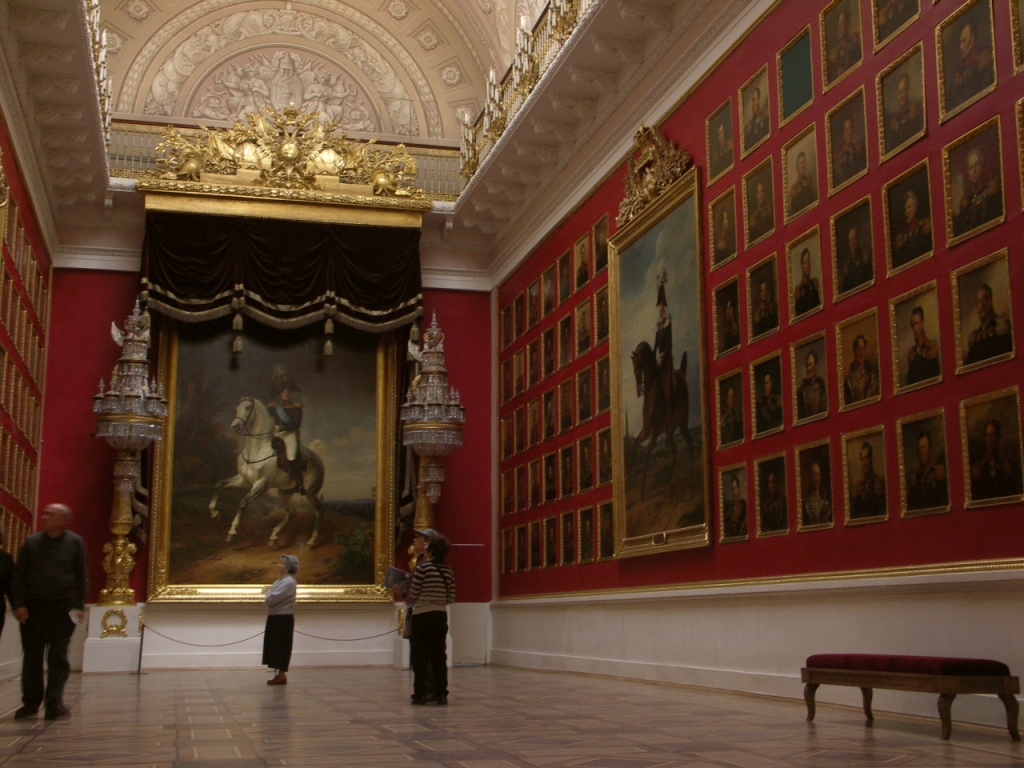


Common components and design
Exhibitions combine artistic content with practical systems: selection of works, gallery layout, lighting, wall text and labels, security, and conservation measures. Descriptive materials often include wall labels, catalogues, and audio guides to explain provenance, medium, date and curatorial intent. Loan agreements, insurance and installation procedures govern the movement and care of objects. For more about individual works, a typical reference is works of art.
Types and venues
- Solo show: focused on one artist’s work.
- Group or thematic exhibition: organized around a concept, movement or subject.
- Retrospective: a chronological survey of an artist’s career.
- Biennales and art fairs: large recurring events showcasing many artists and institutions.
- Online exhibitions: digital presentations that supplement or replace physical display.
Venues range from museums and local galleries to large-scale public events and online platforms; museums and similar institutions often host permanent collections and rotating temporary exhibitions — see your local museum for examples.
History and development
Exhibitions have long been a way to share and evaluate visual culture. Over centuries their roles have expanded from patron-focused displays to public education, market activity, scholarly research and cultural diplomacy. In modern times, curators and designers increasingly use thematic narratives, multimedia interpretation and interactive elements to engage visitors.
Importance and practical considerations
For artists, exhibitions provide visibility, critical feedback and commercial opportunity. For audiences they offer education, aesthetic experience and cultural exchange. Organizers must balance access, conservation and interpretive clarity. Contemporary trends include inclusive programming, digital access, and sustainability practices in exhibition production.
Notable distinctions
Not all exhibitions are commercial; nonprofit institutions prioritize research and public service, while galleries may emphasize sales. Traveling exhibitions extend reach but require more complex logistics. Whether encountered in person or online, exhibitions remain a central way people encounter and understand visual art.
Related articles
Author
AlegsaOnline.com Art exhibition: purpose, forms, and how exhibitions are organized Leandro Alegsa
URL: https://en.alegsaonline.com/art/6211