
Art film — arthouse, independent and auteur-driven cinema
Art film (also arthouse, indie or auteur cinema) emphasizes artistic vision, unconventional narratives and aesthetic experimentation, often produced outside major studio systems and shown in limited release.
Art film is a broad label for motion pictures that prioritize artistic expression, formal experimentation, or a distinctive directorial voice over mass-market entertainment. These works are often called art movies, independent films, arthouse titles, auteur films, or experimental cinema. The term art film is set against the mainstream or popular model exemplified by big-budget popular productions and Hollywood blockbusters. The word "auteur" itself comes from French language and literally means author, suggesting that a single artist—usually the director—shapes the movie's creative direction.
Image gallery
9 Images
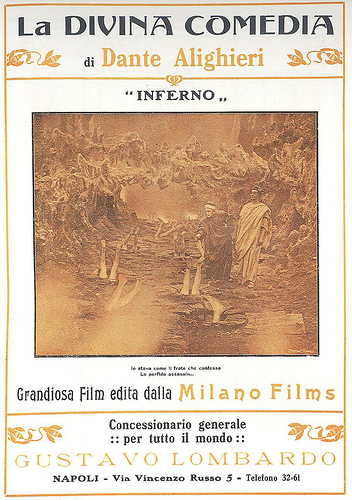


Typical characteristics
Art films commonly differ from studio fare in several practical and stylistic ways. Some are essentially experimental in form, others are produced by smaller independent companies rather than major corporations. Many are financed and distributed by smaller movie companies, since these companies typically operate with lower overheads than the large studios. They exist in contrast to films from the Major movie studios, such as Paramount or Disney, which usually aim for broad commercial appeal.
Stylistically, art films may favor slow pacing, ambiguous endings, long takes, unconventional editing, or non-linear structure. Rather than relying on plot-driven spectacle, they often explore character psychology, mood, or ethical dilemmas, presenting narratives that can be elliptical or deliberately unresolved.
Themes, stories and audience
Common concerns include intimate portraits of people, social critique, philosophical ideas, dreams and memory, or formally daring approaches to plot and story. Creators choose evocative, sometimes difficult material and emphasize creative choices over formula. As a result, art films may address controversial subjects or present feelings and thoughts in ways that require active interpretation by viewers.
Because of specialist themes and limited promotion, art films usually reach audiences through cinemas devoted to independent programming, film festivals and art-house circuits rather than wide release multiplexes. Their viewership tends to be smaller and more niche (audiences are often modest), and marketing frequently relies on critical attention and promotion by reputation or word of mouth.
History, influence and value
- Origins: The art film tradition grew from early 20th-century avant-garde cinema and mid-century European movements that emphasized directorly vision and personal themes.
- Distribution: Festivals, small distributors and specialty cinemas have been essential to bringing these films to viewers and to critics who then shape their reputations.
- Influence: Although commercially modest, art films have repeatedly influenced mainstream technique and storytelling, providing directors, actors and innovations that later appear in larger productions.
- Value: For scholars and cinephiles, art films offer cultural, aesthetic and historical significance beyond box-office returns.
Distinguishing art films from mainstream pictures is not always absolute: some films blur the boundaries by combining artistic ambition with wider appeal. Still, the defining features remain a focus on craft, experimentation, and the expression of a distinctive creative vision rather than adherence to genre formulas or guaranteed commercial success.
Questions and answers
Q: What are art films?
A: Art films are a type of movie that is very different from the popular Hollywood blockbuster movies. They usually tell more creative or unusual stories than blockbuster movies and often show controversial or sad stories.
Q: What other names do art films have?
A: Art films also go by other names such as art movies, independent films, indie films, arthouse films, auteur films ("auteur" is a French word which means "author") or experimental films.
Q: Who makes art films?
A: Art films are usually made by smaller movie companies who do not have much money compared to the Major movie studios large movie studios, for example, Paramount or Disney.
Q: How are art films promoted?
A: Art Films generally don't get shown in many cinemas or theaters and don't make much money so they are typically promoted by word of mouth. People see the movie and then tell their friends to go see it.
Q: Are art film plots different from those of blockbuster movies?
A: Yes, art film plots (stories) tend to be more creative and unusual than those found in blockbuster movies.
Q: Do art film endings tend to be happy ones?
A: No, they may have sad endings since they often show controversial or sad stories.
Q: Why might an art film be hard to understand?
A: An art film may be hard to understand because it may be about people's feelings, thoughts, or dreams rather than straightforward plot points like in most blockbusters.
Related articles
Author
AlegsaOnline.com Art film — arthouse, independent and auteur-driven cinema Leandro Alegsa
URL: https://en.alegsaonline.com/art/6212
Sources
- books.google.com : Sure Seaters: The Emergence of Art House Cinema
- books.google.com : Volume 32
- rogerebert.suntimes.com : "Chungking Express"
- encarta.msn.com : encarta.msn.com/dictionary_1861685559/art_film.html