
Art critic: roles, methods, history, and influence
Overview of art critics: definition, activities, methods, history, influence on artists and audiences, ethical issues, the digital era, and how criticism differs from related professions.
An art critic is a writer and analyst who evaluates works of visual art and communicates those judgments to the public. Critics attend exhibitions and institutions to view work firsthand, research an artist’s background and techniques, and publish responses in newspapers, magazines, books and online. Their writing ranges from short notices and reviews to long-form essays and catalogue texts that describe individual paintings or sculptures, explain media and process, and situate works within movements, social contexts or art-historical debates. Critics also point readers toward broader resources on art, institutions such as museums, and specific exhibitions.
Image gallery
10 Images





Roles and typical activities
Beyond writing, critics act as interpreters, educators and mediators between artists, institutions and audiences. Their activities commonly include attending openings and studio visits, writing exhibition reviews and catalogue essays, giving public talks, and serving on juries or panels. Some hold staff positions at newspapers or magazines; others work as freelancers, academics or independent writers. Critics sometimes collaborate with curators but remain distinct in offering public evaluation rather than organizing exhibitions or making acquisitions.
Skills, methods and typical practices
Good criticism combines close visual analysis with historical knowledge and clear argumentation. Common methods include formal analysis (composition, color, line, materiality), contextual analysis (historical, political or biographical framing), comparative study, and attention to exhibition design and display conditions. Research sources include catalogues, archives and artist statements, and many critics draw on formal training in art history or related fields.
- Direct observation: seeing scale and surface in person.
- Historical and theoretical research.
- Public-facing communication: reviews, opinion pieces and interviews.
- Engagement with audiences through talks, panels and online commentaries.
Types of criticism
Writings vary by length and purpose: short news-style reviews, longer critical essays, catalogue entries, and scholarly articles. Some criticism is evaluative (assessing merit), some explanatory (clarifying meaning), and some pedagogical (introducing readers to unfamiliar movements or techniques).
History and notable figures
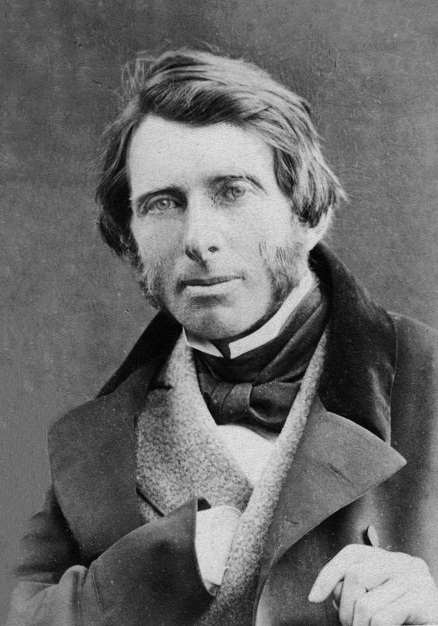
Art criticism emerged alongside modern art institutions and mass media. Historically influential writers such as John Ruskin in the 19th century and 20th-century figures like Clement Greenberg and Roger Fry helped shape public understanding of movements and standards. Later commentators, including Lawrence Alloway, played roles in explaining developments such as Pop Art. Over time the reach of criticism expanded from print to radio, television and the internet, changing how quickly opinions circulate and who can participate.
Influence, responsibilities and controversies
Critics can shape reputations and public taste: a positive review may increase an artist’s visibility and market interest, while sustained negative attention can limit opportunities. This influence raises ethical questions about conflicts of interest, transparency regarding relationships with galleries and collectors, and the need for diverse voices in criticism. Debates persist about whether criticism should prioritize formal standards, social and political reading of work, or inclusive representation of underrepresented artists. Critics often share a cultural role with other reviewers such as music critics, acting as mediators between creators and audiences.
Ethics, standards and how to read criticism
Professional standards emphasize independence, disclosure of relevant relationships, and clear evidence for claims. Readers can approach criticism by looking for description (what the work is), argument (the critic’s claim), and evidence (visual or contextual support). Distinguishing between opinion, evaluation and research helps evaluate a review’s usefulness.
The digital era and global perspectives
Digital platforms have broadened who can publish criticism and how audiences respond. Blogs, social media and online magazines allow faster, more varied responses but also create challenges around quality, moderation and monetization. Art worlds are global and diverse; effective criticism now attends to cross-cultural contexts and seeks wider representation while acknowledging different regional institutions, languages and markets.
Education and career paths
Many critics study art history, visual studies or journalism and gain experience through internships, freelancing or writing for student and local publications. Career paths include newspaper staff critic, magazine contributor, academic, curator-writer, or independent essayist. Continuous engagement with exhibitions, scholarship and public conversation is central to the role.
For further practical context and lists of exhibitions and institutions, see resources on art, museums, and exhibitions, and compare the critic’s role with related commentators and specialists in cultural fields.
Additional reading and primary sources are available through specialist journals, museum catalogue essays and educational programs that emphasize both close looking and informed contextualisation.
Related articles
Author
AlegsaOnline.com Art critic: roles, methods, history, and influence Leandro Alegsa
URL: https://en.alegsaonline.com/art/6209