
Match (firelighting tool)
A match is a small implement for producing fire under controlled conditions. This article explains how matches work, their composition, history, types, uses and safety considerations.
Overview
A match is a compact device designed to produce a flame on demand. Typically one end of a short stick is coated with reactive chemicals that ignite when exposed to sufficient mechanical stimulus. Matches are made from materials such as wood or hardened paper and are sold in groups inside a box or as promotional matchbooks. The ignition process usually uses friction between the head and a striking surface, although other designs use an electrical trigger.
Image gallery
10 Images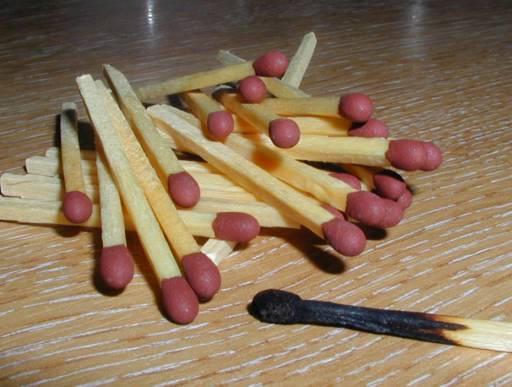
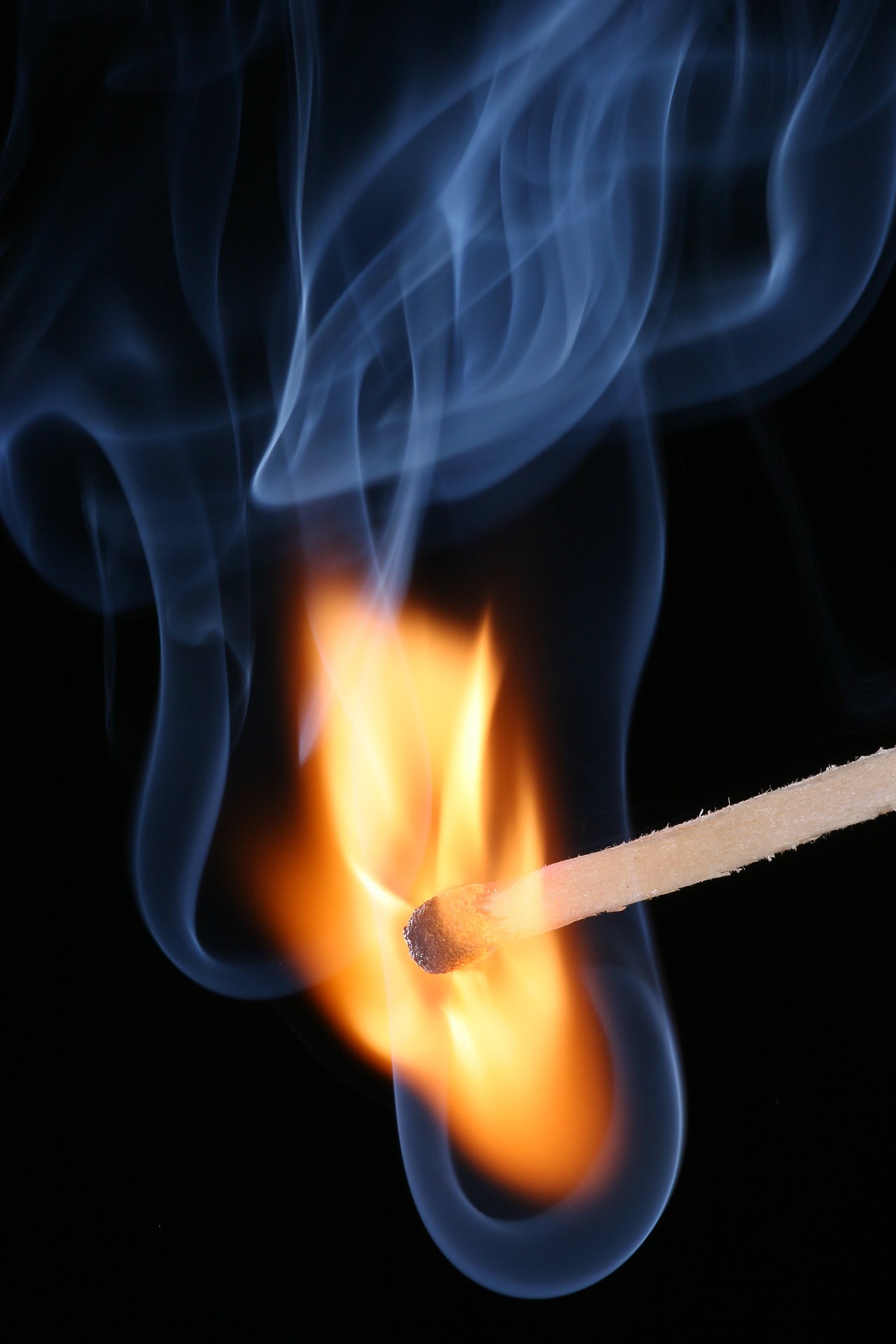


Composition and mechanism
The portion intended to ignite is called the match head. Typical modern heads contain an oxidizer (for example a chlorate or nitrate compound), a fuel such as sulfur or charcoal, binders like gelatin or starch, and inert fillers. In safety matches the reactive phosphorus component is placed on the striking surface rather than in the head; strike-anywhere matches include a small amount of phosphorus compound in the head so they will ignite on many rough surfaces. When struck, the heat generated by friction and the chemical reaction decomposes the oxidizer and fuels combustion, producing a stable flame that can be used to light tinder, stoves, candles and more.
History and development
Primitive fire-making relied on friction between wood or on sparks from stone. The first practical friction match for general use emerged in the early 19th century with formulations developed by inventors who combined chemical oxidizers and combustible binders. Subsequent improvements introduced safety matches—separating the phosphorus onto a prepared striking strip—and refined manufacturing so matches became cheap, reliable household items. The familiar book-style match packaging also became a common medium for branding and advertising.
Types and common uses
- Strike-anywhere matches: contain ignitable phosphorus compounds in the head and will light on many rough surfaces.
- Safety matches: require a specially prepared striking surface that contains red phosphorus; they are less likely to ignite accidentally.
- Electric matches: use an electrical current to heat a bridge or nichrome wire that ignites a pyrogen; they are used in controlled pyrotechnics and igniters (electric matches), activated by electricity.
Matches are used for domestic tasks (lighting stoves, candles, fireplaces), in camping and survival kits, and in ceremonial or industrial settings where a small, portable flame is needed.
Safety, storage and notable facts
Matches are a common cause of accidental fires when stored carelessly. Safety matches greatly reduce accidental ignition during handling, but all matches should be kept dry, away from children, and stored in a noncombustible container. Because they generate an open flame and burning waste, many jurisdictions restrict the transport of certain types or quantities. Match heads historically contained toxic or unpleasant-smelling chemicals; modern manufacturing has reduced hazards and odors. Collecting vintage match labels remains a popular hobby reflecting the object’s role in commerce and culture.
For further technical details and historical sources, see introductory references to match chemistry and manufacturing processes (tool, fire).
Questions and answers
Q: What is a match?
A: A match is a tool for making fire under controlled circumstances.
Q: What is the match coated with at one end?
A: The match is coated with a material that will ignite from friction.
Q: What is the lighting end of a match known as?
A: The lighting end of a match is known as the match "head".
Q: What is the active ingredient in the match head?
A: The active ingredient in the match head is an oxidizing agent such as potassium chlorate, mixed with sulfur, fillers and glass powder as well as gelatin as a binder.
Q: How are matches packaged?
A: Matches are sold in multiples, packaged together either in a box, or in matchbooks.
Q: What are the two main types of matches?
A: The two main types of matches are safety matches, which can be struck only against a specially prepared surface; and strike-anywhere matches, for which any suitably frictional surface can be used.
Q: What are electric matches?
A: Electric matches are matches that use electricity instead of friction to produce a fire.
Related articles
Author
AlegsaOnline.com Match (firelighting tool) Leandro Alegsa
URL: https://en.alegsaonline.com/art/62774