
Lunar mare (maria): the dark basaltic plains of the Moon
Dark, basaltic plains on the Moon formed by ancient volcanic eruptions. Often called 'seas', maria cover much of the near side and were important in lunar exploration and mapping.
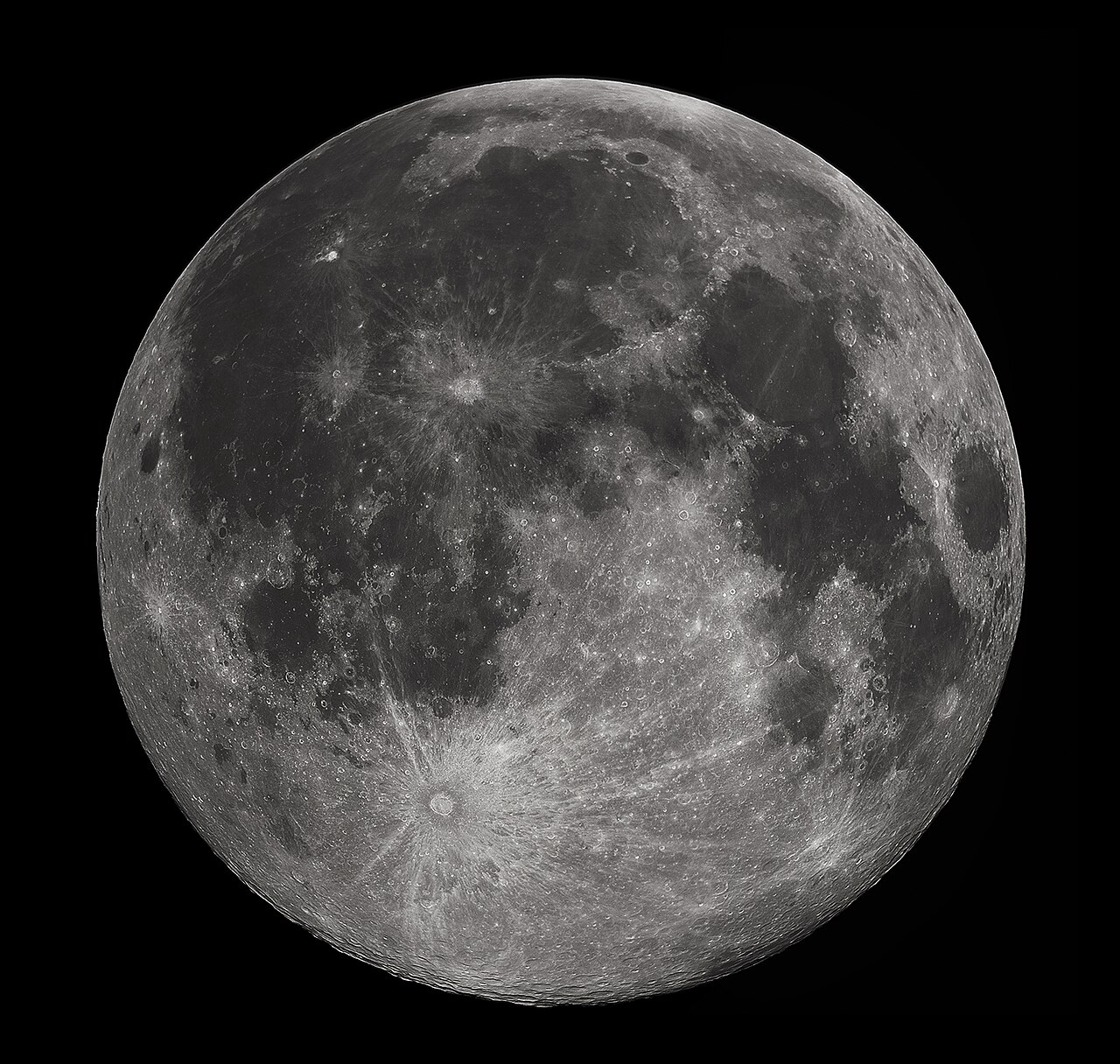
The term mare (plural: maria) refers to the broad, dark plains visible on the Moon's surface. Appearing as the darker patches to the naked eye, these regions are not bodies of water but expanses of basaltic rock produced by ancient volcanic activity. Their Latin name, meaning "seas," reflects early observers' belief that they were lunar oceans.
Image gallery
10 Images





Physical characteristics
Maria consist mainly of iron-rich basaltic lava flows that cooled into relatively smooth plains. Their higher iron content and different mineralogy give them a lower albedo than the surrounding highlands, so they reflect less sunlight and look darker. Many maria are fairly flat and are interspersed with impact craters, rilles, and wrinkle ridges formed as the lava cooled and the crust adjusted.
Origin and geological history
Most maria formed during the Moon's early history, when large impacts fractured the crust and produced basins that were later flooded by basaltic lava. The majority of these volcanic events occurred billions of years ago, primarily in the period commonly dated between about 3.9 and 3.1 billion years ago. Volcanism waned as the Moon's interior cooled. For an overview of lunar volcanism see volcanic activity on the Moon and general lunar geology at Moon overview.
Distribution and notable features
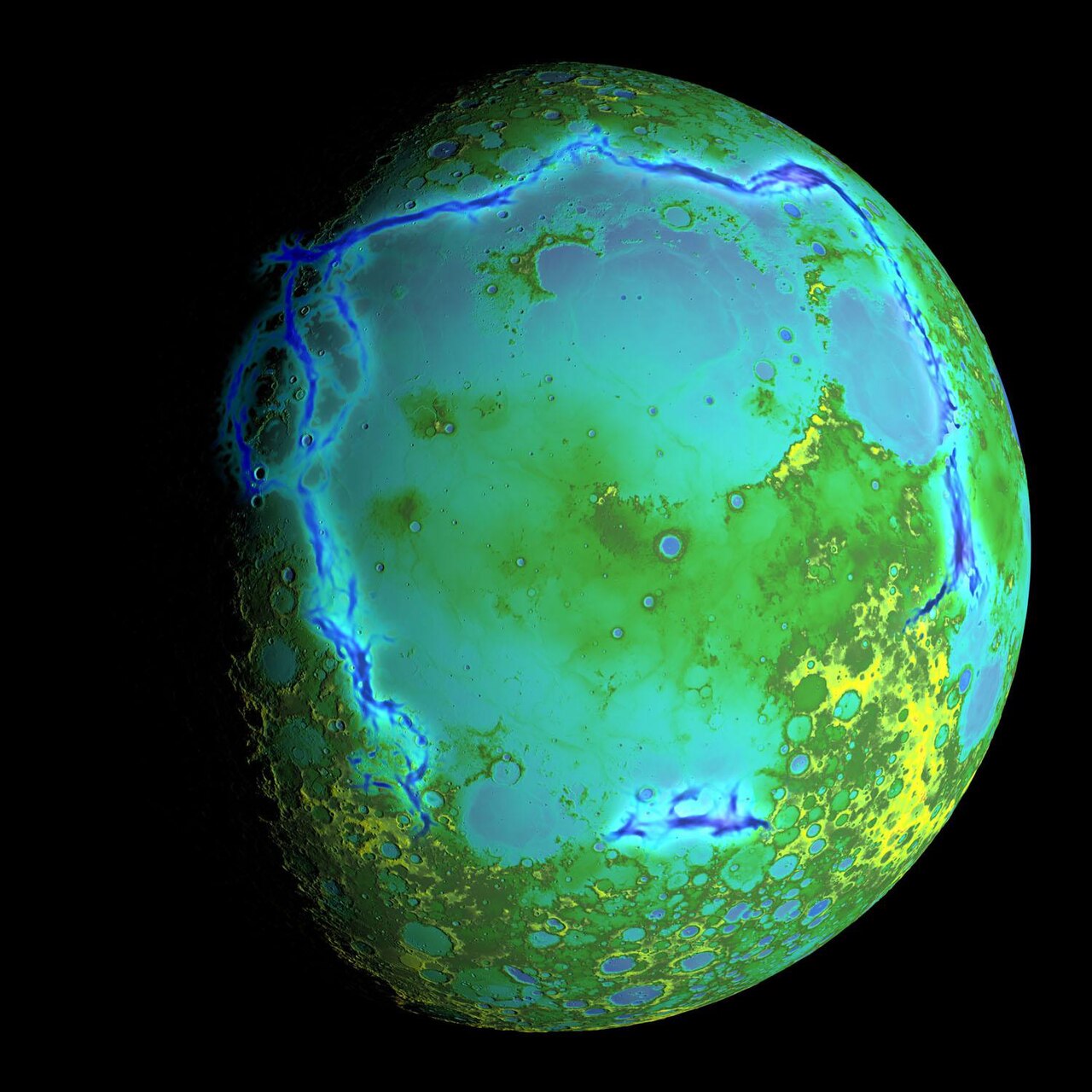
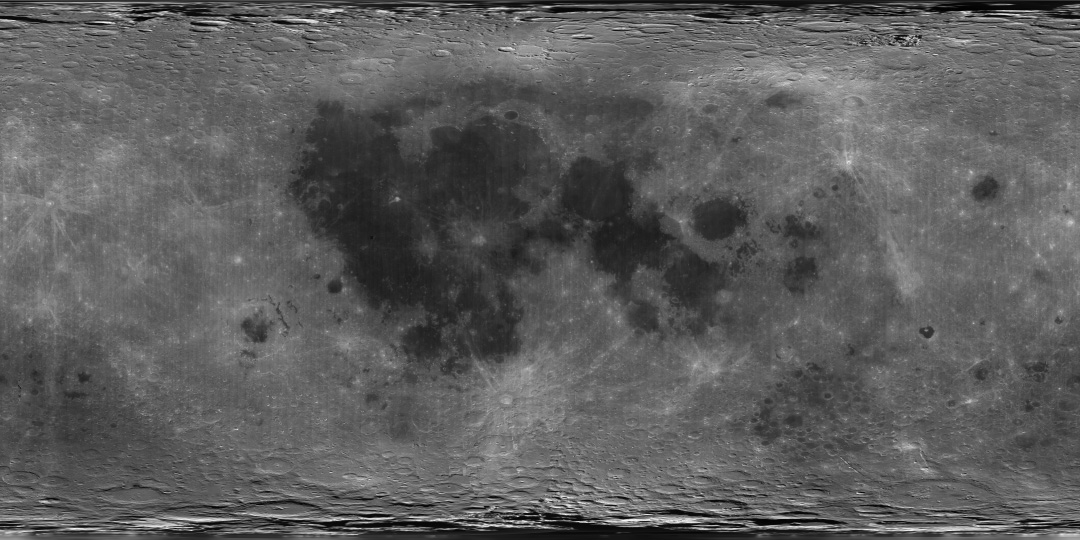
Maria cover roughly sixteen percent of the lunar surface and are concentrated on the near side visible from Earth. The near-side dominance is attributed to differences in crustal thickness and thermal evolution; the far side has a thicker crust and far fewer maria. Some maria are associated with mass concentrations, or "mascons," which are regions of higher gravity that affect spacecraft orbits and were discovered through tracking of lunar probes. Further reading on gravitational anomalies can be found at lunar mascons.
Names and human significance
Seventeenth-century lunar cartographers assigned evocative Latin names—Sea of Tranquility (Mare Tranquillitatis), Sea of Storms (Mare Imbrium), and so on—to the largest plains; these names remain in common use. Maria have been landing sites for robotic and crewed missions because of their relatively smooth surfaces. The first crewed Moon landing, Apollo 11, touched down in Mare Tranquillitatis on July 20, 1969, a milestone in human exploration; mission details are preserved in many historical sources, for example Apollo 11 records.
Examples and list of major maria
- Mare Imbrium (Sea of Showers or Rains)
- Mare Tranquillitatis (Sea of Tranquility)
- Mare Serenitatis (Sea of Serenity)
- Oceanus Procellarum (Ocean of Storms) — the largest lunar mare
Maria remain important targets for scientific study because they record the Moon's volcanic and impact history, preserve samples for radiometric dating, and influence orbital dynamics. For modern scientific summaries and mission planning resources consult lunar research or archival mission pages such as Apollo 11 records.
Related articles
Author
AlegsaOnline.com Lunar mare (maria): the dark basaltic plains of the Moon Leandro Alegsa
URL: https://en.alegsaonline.com/art/59922