
Makran: the coastal region of southern Balochistan in Iran and Pakistan
Makran is a semi‑arid coastal region along the Arabian Sea and Gulf of Oman, spanning southern Balochistan in Iran and Pakistan with a narrow plain, rugged mountains, fishing communities and strategic ports.
Overview
Makran is a partly desert, coastal region on the southern edge of the Iranian and Pakistani plateaus. This long strip runs along the Arabian Sea and the Gulf of Oman, and lies within southern Balochistan across present‑day Iran and Pakistan. The shoreline and hinterland combine arid plains, rocky promontories and sparse settlements linked to fishing and coastal trade; the general coastal character is often described as a partly desert coastal strip.
Image gallery
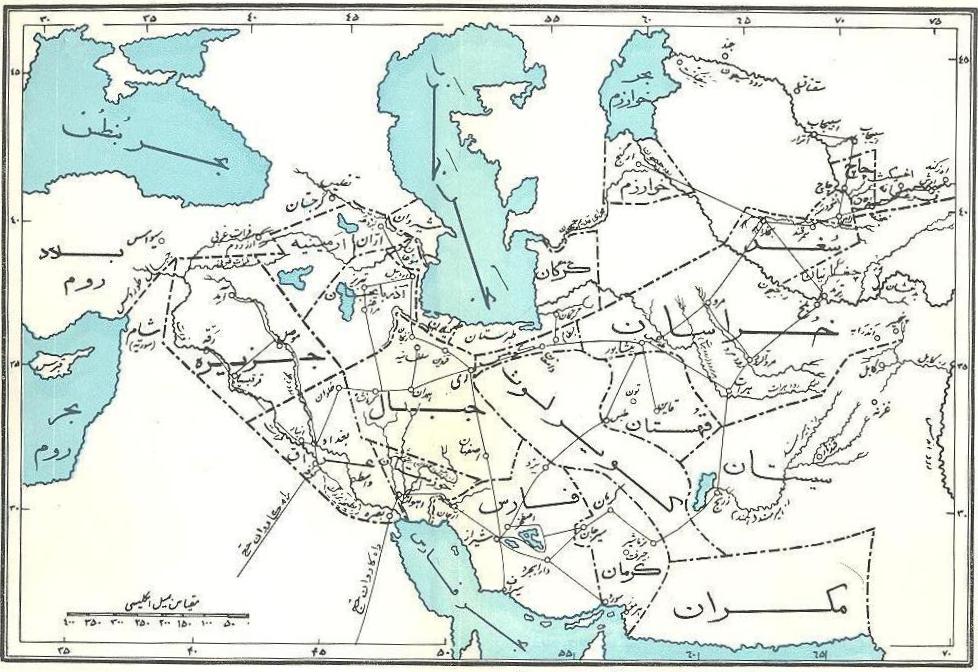
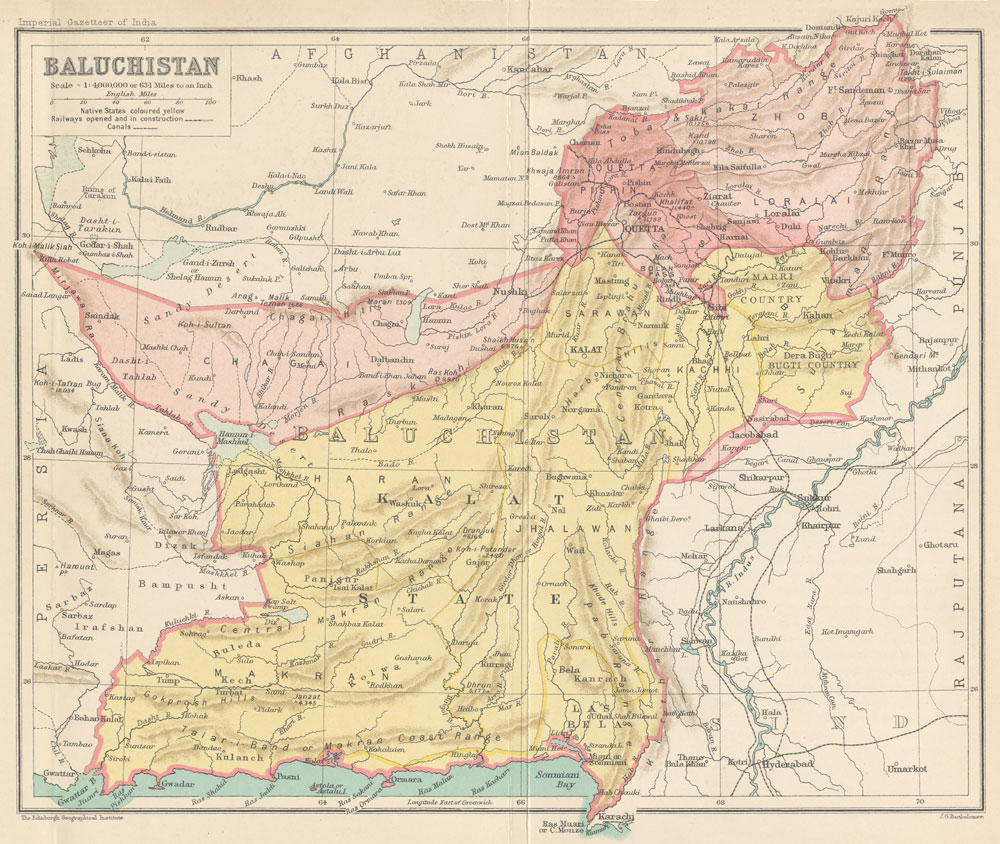
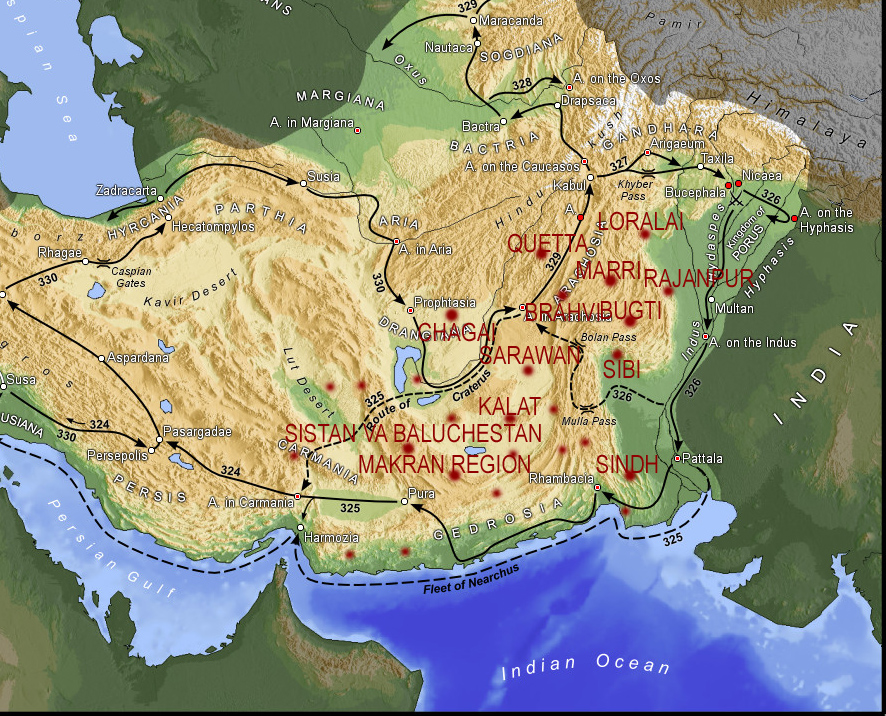
10 Images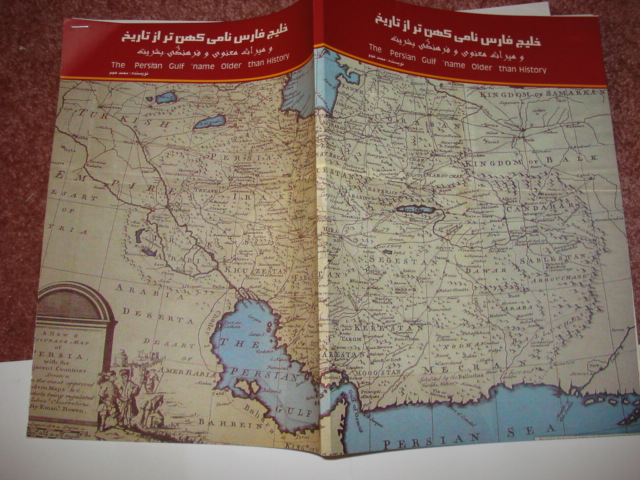




Geography and topography
A narrow coastal plain skirts the sea but rises quickly into several mountain ranges that form the inland boundary. The coastal length is commonly cited at about 1,000 kilometres, of which a substantial portion lies in Pakistan. The plain itself is geomorphically young in places and contains beaches, rocky coves and broad alluvial fans where seasonal streams meet the sea; the term plain is therefore used for a range of coastal landforms rather than a single uniform terrain.
Climate and environment
Makran has an arid to semi‑arid climate with low and highly variable rainfall, hot summers and milder winters. Monsoon effects are limited compared with the Indian subcontinent, and the region is shaped by persistent dry winds, episodic storms and a maritime influence that moderates temperature extremes. These conditions, and local groundwater scarcity, influence settlement patterns and land use in the area (climate).
History and name
The name Makran is often traced to a Persian phrase meaning "fish‑eaters" (Mahi khoran) and appears in accounts of classical and medieval geographers. Historically the coast served as a maritime corridor and a chain of small ports and anchorages connecting South Asia with the Middle East and the Indian Ocean world. Over centuries it has been a meeting point for seafarers, caravan routes inland and occasional imperial interests.
Economy, settlements and uses
Human activity is concentrated in fishing villages, a few larger port towns, and oasis settlements that tap limited groundwater. Small‑scale fisheries, salt gathering, pastoralism and increasingly port and infrastructure projects shape the modern economy. Some ports on both the Iranian and Pakistani sides are significant for trade, logistics and regional connectivity.
Ecology, risks and notable facts
Coastal ecosystems along Makran include tidal flats, sandy beaches and localized mangroves and provide habitat for marine life such as fish and nesting turtles. The area is vulnerable to overfishing, habitat loss and the effects of coastal development. It is also seismically active, which has produced earthquakes and occasional tsunamis in the wider region. Despite sparse population, Makran remains important for maritime routes and regional geopolitics.
- Location: southern edge of Balochistan across Iran and Pakistan.
- Coastline and seas: Arabian Sea, Gulf of Oman.
- Etymology: linked to a Persian phrase for "fish‑eaters".
- Landscape: narrow coastal plain rising to mountains and scattered streams on the plain.
- Climate: arid, low rainfall (see climate).
Related articles
Author
AlegsaOnline.com Makran: the coastal region of southern Balochistan in Iran and Pakistan Leandro Alegsa
URL: https://en.alegsaonline.com/art/60909
Sources
- livius.org : The origins of the name on Livius.org