
Mikhail Bulgakov: life, major works, and literary legacy
Overview of Mikhail Bulgakov (1891–1940), a Soviet Russian writer and playwright best known for The Master and Margarita, his style, major works, historical context, and lasting influence.
Mikhail Bulgakov (1891–1940) was a Russian writer and dramatist whose fiction and theatre pieces became emblematic of artistic life under early Soviet rule. He trained as a physician before turning full time to writing and the stage. While his career unfolded in the 1920s and 1930s, his reputation grew mainly after his death, when previously suppressed works reached wider audiences. His best known novel is The Master and Margarita, which blends satire, metaphysical fantasy, and Moscow urban life.
Image gallery
9 Images


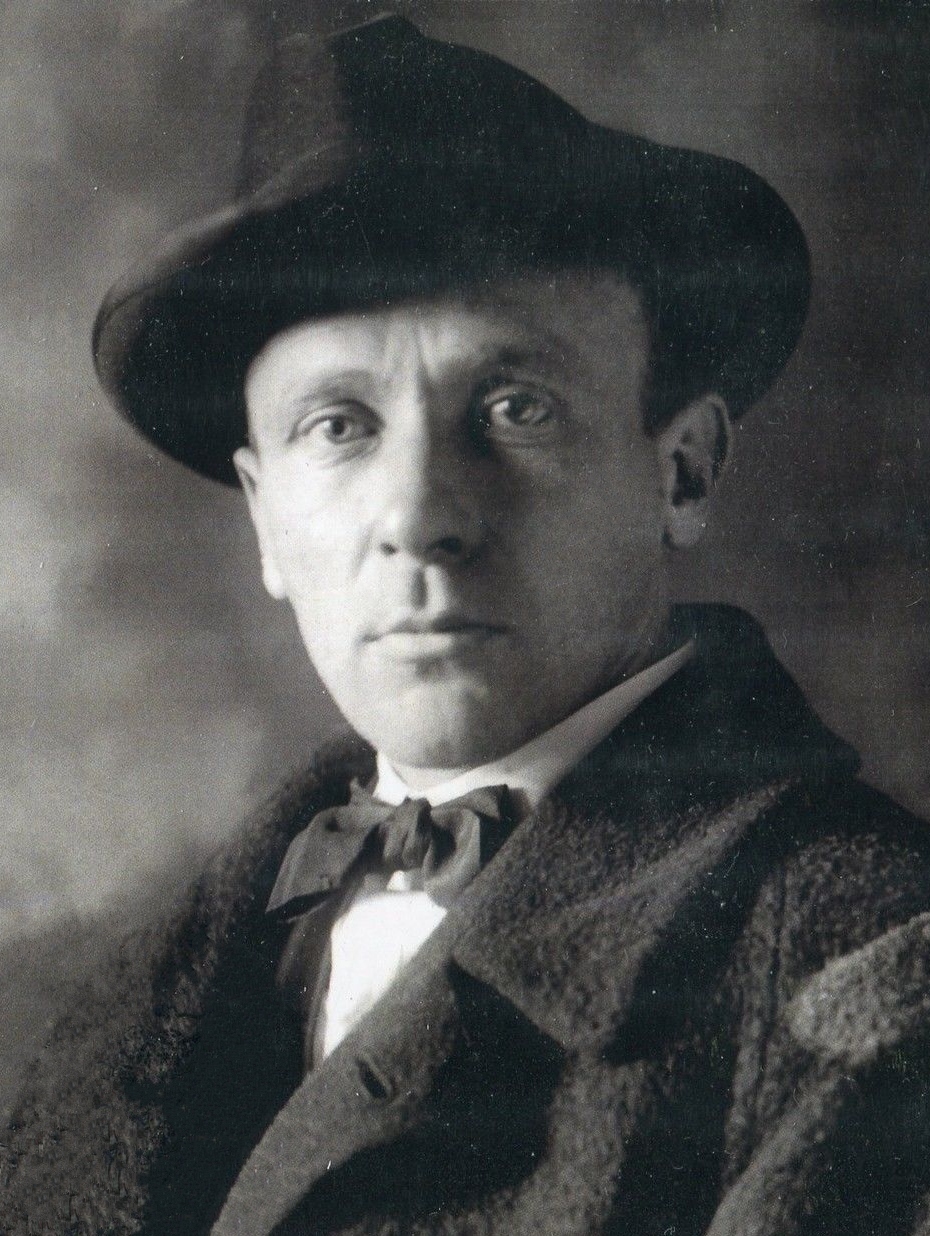


Major works and forms
- The Master and Margarita — a complex novel mixing satire, romance, and supernatural elements.
- Heart of a Dog — a short satirical novella that probes science and social engineering.
- The White Guard and related plays — realistic and historical treatments of the civil war era.
- Numerous plays and adaptations that he wrote or helped stage in Moscow theatres, often facing censorship.
Style, themes, and techniques
Bulgakov's writing frequently combines everyday realism with sudden, uncanny intrusions of the fantastic. Critics often describe aspects of his work as a form of magic realism or satirical fantasy in which moral and philosophical questions are dramatized through surreal events. His recurring themes include the tension between individual conscience and authoritarian power, the role of the artist in society, and the interplay of good and evil. The figure of a disruptive intellectual or supernatural visitor appears in different guises across his fiction and drama.
Life, context, and censorship
Born in Kiev and trained as a doctor, Bulgakov witnessed the upheavals of the Russian Revolution and Civil War, experiences that informed novels such as The White Guard. In Moscow he worked as a playwright and scriptwriter, and struggled with state censorship and hostile official criticism. For long stretches his major works were unpublished or available only in censored editions; he burned drafts in despair and wrote requests to Soviet authorities asking for permission to emigrate. Despite setbacks, he remained connected to the theatre and to fellow writers.
Reception and legacy
Bulgakov's influence expanded after his death in 1940 as suppressed manuscripts circulated and full editions appeared posthumously. The Master and Margarita in particular became internationally celebrated and inspired adaptations in theatre, film, and music. Readers and scholars continue to study his blending of satire, fantasy, and moral inquiry; his vivid portraits of Moscow life and his probing of the limits placed on creativity under political pressure ensure his place among important 20th‑century Russian writers.
For short introductions, bibliographies, or theatre histories consult broader reference entries and annotated editions for further reading. Selected translations and critical studies make his work accessible to readers beyond Russian-speaking audiences; stage revivals and translations remain an active part of his continuing reception. Further information and archival materials are available through specialized literary resources and collections. Biographical summaries, theatrical records, and critical essays provide entry points for readers; a number of online and print anthologies collect his shorter pieces and plays for new readers. Scholarly introductions examine the philosophical and historical dimensions of his major novels.
Questions and answers
Q: Who was Mikhaíl Bulgakov?
A: Mikhaíl Bulgakov was a Soviet Russian writer and playwright active in the first half of the 20th century.
Q: When did he live?
A: He lived from 15 May 1891 to 10 March 1940.
Q: What is his most famous work?
A: His most famous work is The Master and Margarita, which has been called one of the masterpieces of the 20th century.
Q: What type of writing does he specialize in?
A: Much of Bulgakov's work is best described as magic realism, where fantasy intrudes into what seemed at first to be a straightforward everyday scene.
Q: Where did he live during his lifetime?
A: He lived in Soviet Russia during his lifetime.
Q: When was The Master and Margarita published?
A: The Master and Margarita was published in 1966-1967, after Bulgakov's death.
Related articles
Author
AlegsaOnline.com Mikhail Bulgakov: life, major works, and literary legacy Leandro Alegsa
URL: https://en.alegsaonline.com/art/64864
Sources
- entertainment.timesonline.co.uk : entertainment.timesonline.co.uk/tol/arts_and_entertainment/books/fiction/article3901149.e…
- nytimes.com : The sword and the shield: the Mitrokhin Archive and the secret history of the KGB
- cr.middlebury.edu : "Master: Russian editions" · web.archive.org
- imdb.com : Master i Margarita (1994)
- oudsdobulgakov.com : "OUDS do Bulgakov Website"
- alexandergradsky.com : "Master and Margarita: An opera in two acts and four scenes"
- masterandmargarita.eu : "The Master and Margarita – Music – David Avdysh"