
Ernst Jünger
Ernst Jünger (1895–1998) was a German soldier, novelist and essayist whose work on war, technology and modernity influenced 20th‑century thought. He is best known for his World War I memoir Storm of Steel.
Ernst Jünger was a German writer and intellectual whose long life spanned most of the 20th century. He first gained prominence for his vivid memoir of front‑line service in World War I, and he later produced a varied body of essays, novels and diaries exploring technology, authority and individual experience. Over decades he remained a controversial figure because of his early martial glorifications and his ambiguous relationship to interwar and wartime politics. More on Jünger
Image gallery
7 Images


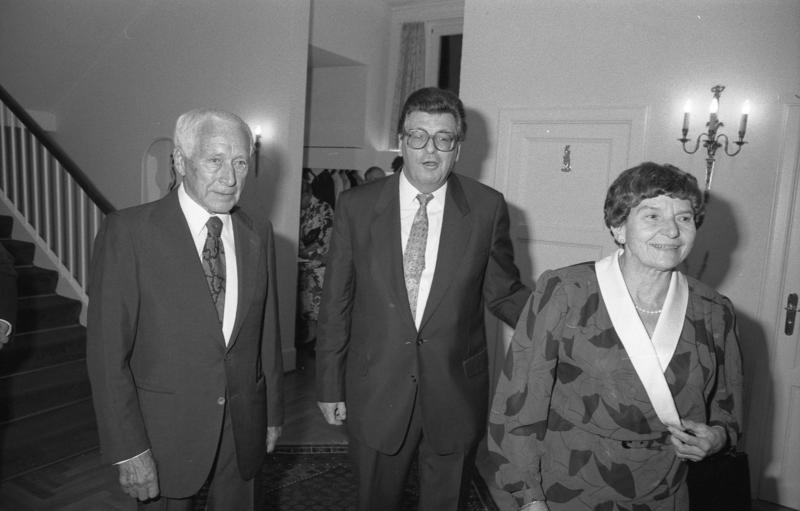
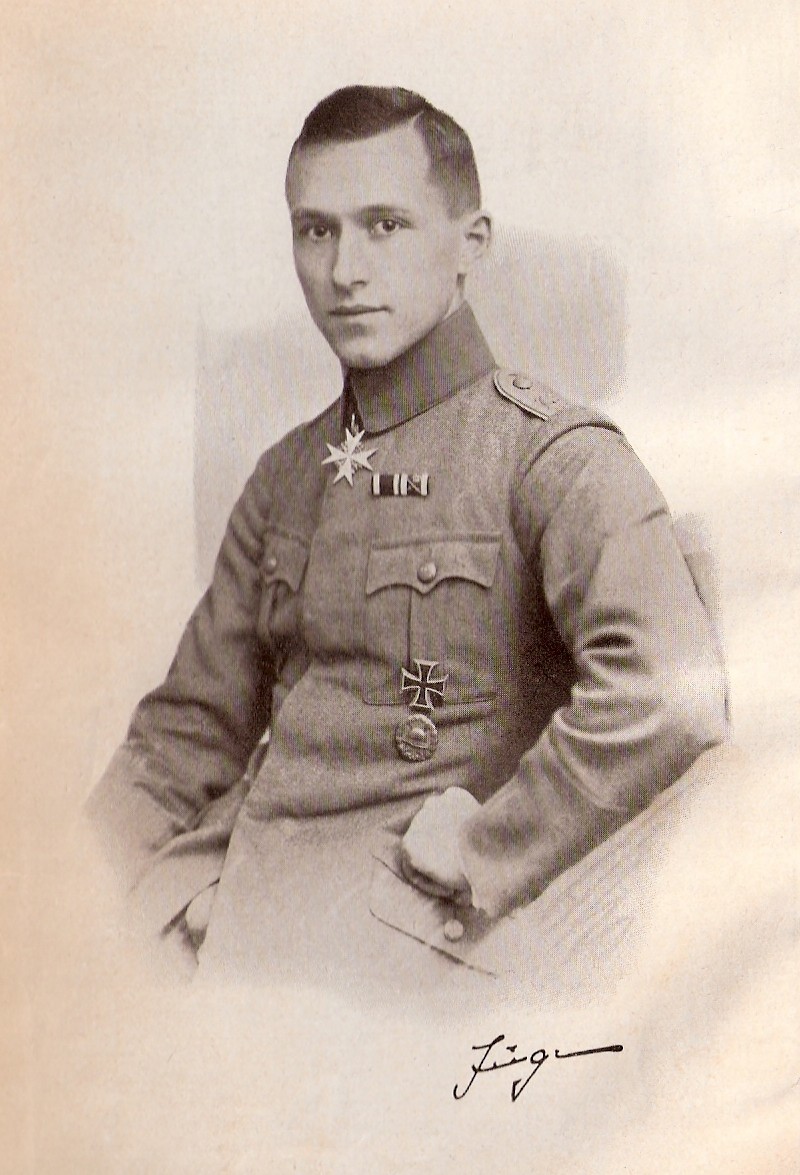

Life and career
Born in Heidelberg on 29 March 1895, Jünger grew up in Hanover and volunteered for military service at the outbreak of World War I. His wartime experiences marked him deeply and supplied material for his best‑known book, Storm of Steel (In Stahlgewittern), an unsentimental account of combat that has been translated into many languages. After the war he worked as a writer and editor, publishing essays and fiction that engaged with the cultural and political crises of the Weimar Republic and beyond. He lived through the Nazi era without becoming a figurehead of the regime, maintaining an independent intellectual stance that historians describe as complex and sometimes contradictory. Jünger died in Riedlingen on 17 February 1998 at the age of 102. Heidelberg (German Empire) Riedlingen
Major works
- Storm of Steel (In Stahlgewittern) – front‑line memoir of World War I; often read as literary testimony of soldierly experience. Storm of Steel
- The Worker (Der Arbeiter) – a philosophical essay on the social and spiritual effects of industrial and technical civilization.
- The Forest Passage (Der Waldgang) – a reflection on resistance, freedom and personal autonomy in the face of totalitarianism.
- Later novels such as The Glass Bees and Eumeswil blend dystopian themes with political and ethical speculation.
Themes and reception
Jünger’s writing repeatedly examines violence, technology, authority and the figure of the solitary individual confronting mass society. Early work was admired by some for its aesthetic intensity and criticized by others for aestheticizing violence. His ideas influenced conservative and technological debates in the interwar years, but he never aligned simply with any single political movement. Critics and readers have continued to debate his legacy: for some he remains a harsh chronicler of modern war and industrial society; for others his later writings demonstrate a move toward ecological and metaphysical concerns.
Legacy and notable facts
Jünger left a large corpus of diaries, essays and fiction that scholars draw on when studying 20th‑century literature, military memoirs, and the intellectual history of modernity. He is often taught alongside other writers who confronted the upheavals of Europe between the wars. His long lifespan allowed him to comment across eras, and his refusal to be easily categorized keeps his work a subject of ongoing study and debate. Context Further reading
Related articles
Author
AlegsaOnline.com Ernst Jünger Leandro Alegsa
URL: https://en.alegsaonline.com/art/32026
Sources
- query.nytimes.com : "Ernst Junger, Contradictory German Author Who Wrote About War, Is Dead at 102"