
Miguel Ángel Asturias
Guatemalan novelist, poet and diplomat (1899–1974), Nobel laureate in 1967; a leading voice in 20th-century Latin American literature whose works blend indigenous themes, social protest and experimental language.
Miguel Ángel Asturias (1899–1974) was a prominent Guatemalan writer, poet, playwright and diplomat. His international reputation rests on an innovative body of fiction and essays that engage indigenous myths, social protest and stylized, politically charged language. He was awarded the Nobel Prize in Literature in 1967 for his life's literary achievement. Asturias is widely regarded as one of the central figures in 20th‑century Latin American letters and an influential cultural voice in Guatemala.
Image gallery
6 Images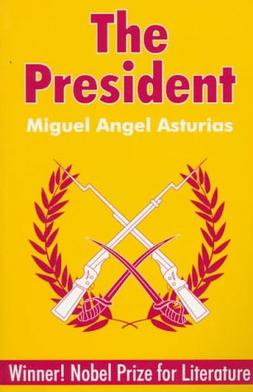


Life and career
Born in Guatemala City, Asturias trained in law and literature and combined a literary career with diplomatic service. He represented his country abroad and worked to promote Guatemalan culture in Europe and Latin America. His public roles as diplomat and cultural ambassador were closely connected to his literary work: the political realities of Guatemala and the region recur constantly in his fiction and essays. Many readers and scholars also note his commitment to indigenous sources and traditions as a defining feature of his art.
Themes and style
Asturias' writing is known for several recurring features:
- Use of myth and indigenous folklore to reframe national identity.
- Sharp criticism of dictatorship and foreign economic influence, especially in agricultural export regions.
- Experimental language—poetic, rhythmic prose that often disrupts conventional narrative order.
- A blending of journalism, myth, ritual and political polemic to create works that are at once literary and civic.
Major works and reception
Among his best-known books are novels and collections that brought attention to Guatemala's people and history. He wrote celebrated works such as El Señor Presidente and the lyrical, culturally rooted Leyendas de Guatemala. Some readers group several of his novels addressing foreign commercial exploitation of Central America under the informal label "banana" literature; critics sometimes cite these works for their indictment of multinational influence on local life. He also wrote lesser-known pieces including the novella referenced in contemporary sources as "El Hombre que lo tenía todo todo todo."
Influence and legacy
Asturias helped shape a generation of writers who explored national identity, indigenous culture and political resistance in Latin America. His fusion of mythic material with modernist experimentation anticipated and influenced broader trends in the region's literature. Academics study his work for its formal daring and its insistence that literature can be a vehicle for social critique. In Guatemala he remains a key literary figure whose life and writings continue to be taught, translated and debated.
Further reading and resources
For introductions to Asturias' life and writings, consult academic surveys of Latin American literature and specialized studies on Guatemalan cultural history. Libraries and university collections also hold translations and critical studies that place his work in the context of 20th‑century political and literary movements. You can explore more about his career as a diplomat, his role in Guatemala's cultural life and readings of his major books via general reference sources and literary anthologies (author studies, critical histories).
Related articles
Author
AlegsaOnline.com Miguel Ángel Asturias Leandro Alegsa
URL: https://en.alegsaonline.com/art/64795
Sources
- books.google.com : Miguel Angel Asturias