
Magdalenenberg: Iron Age tumulus in the Black Forest and its significance
Magdalenenberg is a large Early Iron Age tumulus in the southwestern Black Forest, Germany, attributed to the Hallstatt elite. Notable for its size, rich finds and a debated interpretation as a lunar calendar.
Overview
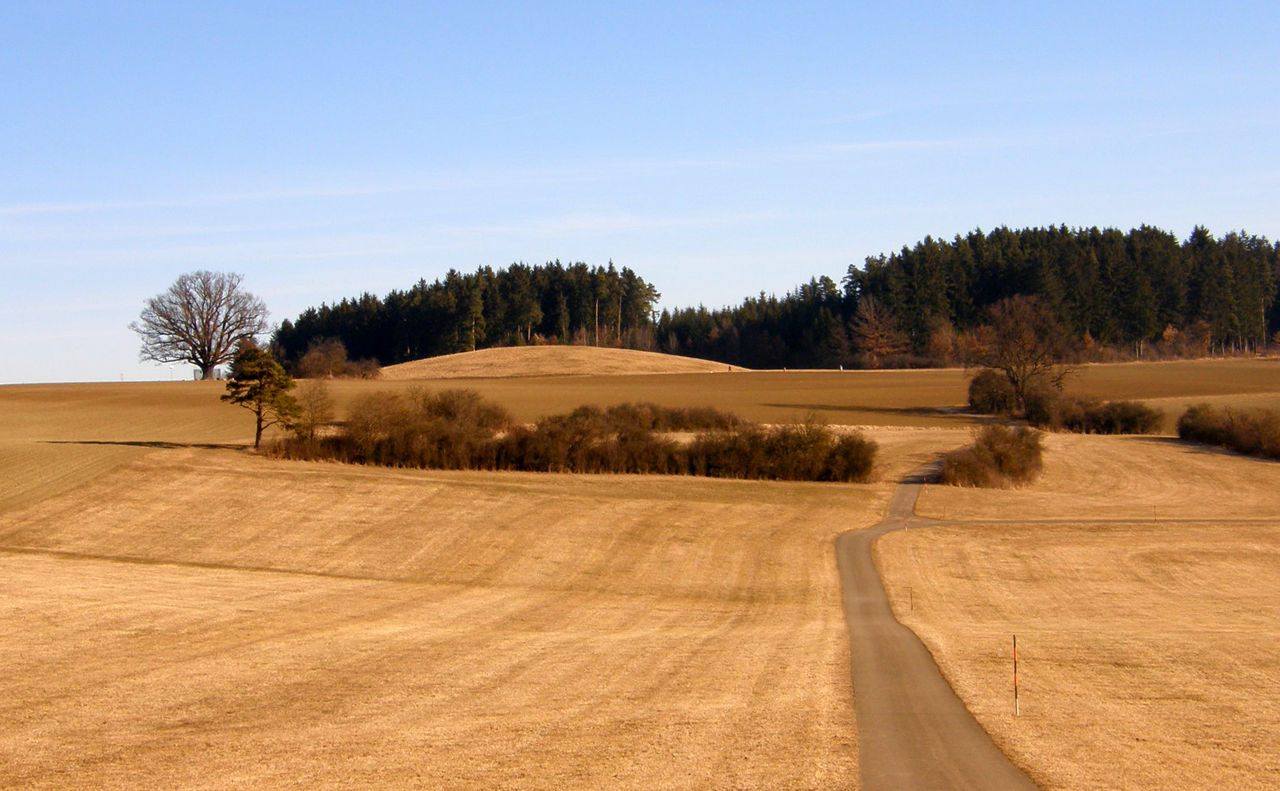
Magdalenenberg is a monumental burial mound, commonly described as a tumulus, located on a hill at the southwestern edge of the Black Forest in Germany. It dates to the Early Iron Age and is generally attributed to the aristocratic strata of the Hallstatt culture. With a reported volume of roughly 33,000 cubic metres, it is often cited as the largest burial monument of its period in Central Europe. The mound has attracted sustained archaeological attention because of its scale, the organisation required for its construction and the material culture associated with the burial.
Image gallery
10 Images






Excavation history and research
Fieldwork at Magdalenenberg began as part of systematic regional surveys and excavations in the 20th century. Archaeologists recorded the mound's plan and carried out targeted trenches and non-invasive surveys to document its internal features. Published site reports discuss construction phases, the distribution of pits and posts around the tumulus, and the catalogue of finds recovered in earlier excavations. Conservation efforts and later re-examinations of collected material have allowed new interpretations to be tested against earlier records.
Structure, finds and landscape setting
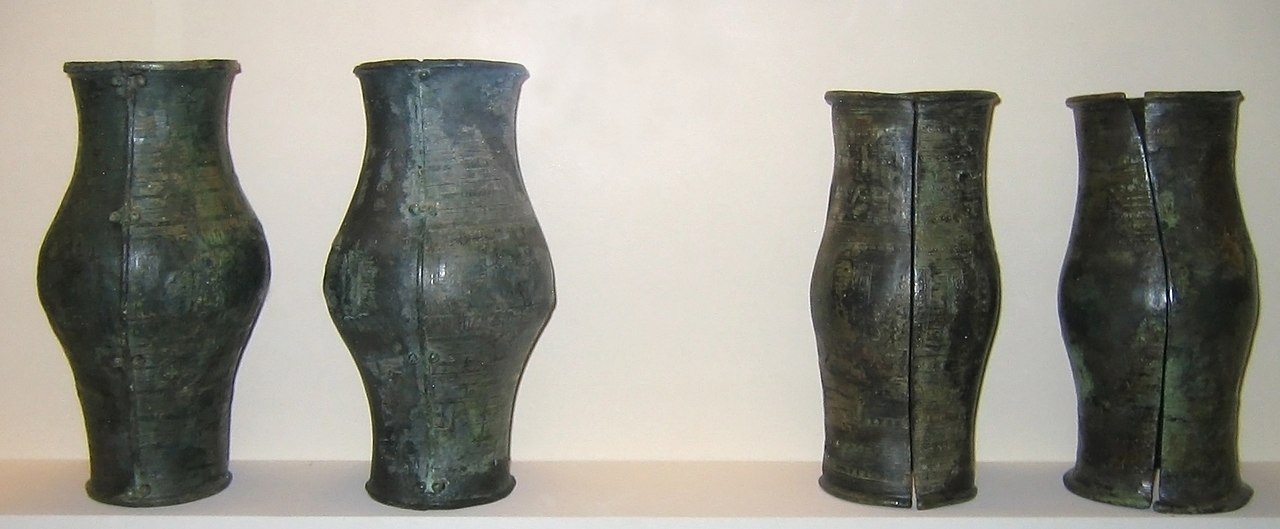
The tumulus covers an inhumation that was accompanied by grave goods typical for high-status Hallstatt burials: metalwork, harness parts, weapons and personal ornaments. Such assemblages point to long-distance contacts, specialised craftsmanship and social differentiation in the early Iron Age. The monument occupies a prominent hilltop position and appears to be integrated into a broader ritual landscape that would have made it visible from surrounding routes and settlements.
Dating and cultural context
Magdalenenberg is placed within the Hallstatt horizon of the Early Iron Age, a cultural complex that extended across much of central Europe and is known for characteristic metalwork and elite burials. The general chronological frame for Hallstatt princely graves spans the first centuries of the Iron Age (roughly the first half of the first millennium BCE), and the site fits this context both by typology of the finds and by stratigraphic evidence.
Astronomical interpretation and scholarly debate
A prominent and widely discussed hypothesis proposed by a researcher at the Römisch-Germanisches Zentralmuseum suggests that the pattern of pits, posts and markers around the mound encodes a lunar calendar and a representation of the midsummer sky for a date in the 7th century BCE. This interpretation draws on historical remarks by Roman authors about Celtic attention to lunar cycles and on archaeoastronomical methods that seek deliberate astronomical alignments in prehistoric monuments. Advocates argue the layout could have functioned as a mnemonic or ritual calendar related to the 18.6-year lunar cycle often termed the lunar standstill.
Other scholars have urged caution. Archaeologists note that apparent alignments can result from chance, post-depositional disturbance, or alternative ritual meanings not tied to long-term astronomical observation. Robust testing of calendar hypotheses requires reproducible measurements, comparison with contemporary regional sites and consideration of local topography. The proposal remains influential and stimulating, but it is not universally accepted as the only or final explanation for the site's layout.
Significance and interpretation
Whether interpreted primarily as a funerary monument, a display of elite power, or a structure with calendrical aspects, Magdalenenberg is important for understanding early Iron Age social organisation, ritual practice and landscape use. It illustrates how communities invested labour and resources to commemorate individuals and to organise communal memory in the form of a visible monument. The site contributes to broader discussions about the connections between burial architecture, symbolic communication and astronomical knowledge in prehistoric Europe.
Further reading and resources
- Introductory information on tumuli and burial types: see summaries of tumulus and grave classifications.
- Overviews of the European Early Iron Age and the Hallstatt culture provide regional context for elite burials.
- Regional studies for landscape and archaeology in the Black Forest area and German archaeological publications discuss site reports and subsequent analyses.
- For comparative perspective on monument scales, see literature on large prehistoric mounds and their social roles in Central Europe.
- Technical reports and discussions of volume estimates and measurement approaches reference the reported volume and methods used in site surveys.
- Museums and research institutions in Germany and international journals publish updates and debates about the astronomical readings and other interpretations.
Related articles
Author
AlegsaOnline.com Magdalenenberg: Iron Age tumulus in the Black Forest and its significance Leandro Alegsa
URL: https://en.alegsaonline.com/art/60569