
Iron Age: origins, metallurgy, regional chronologies and cultural impact
Comprehensive overview of the Iron Age: origins, metallurgical methods, regional timelines, economic and military effects, and key distinctions between meteorite iron, smelting and later steelmaking.
Overview
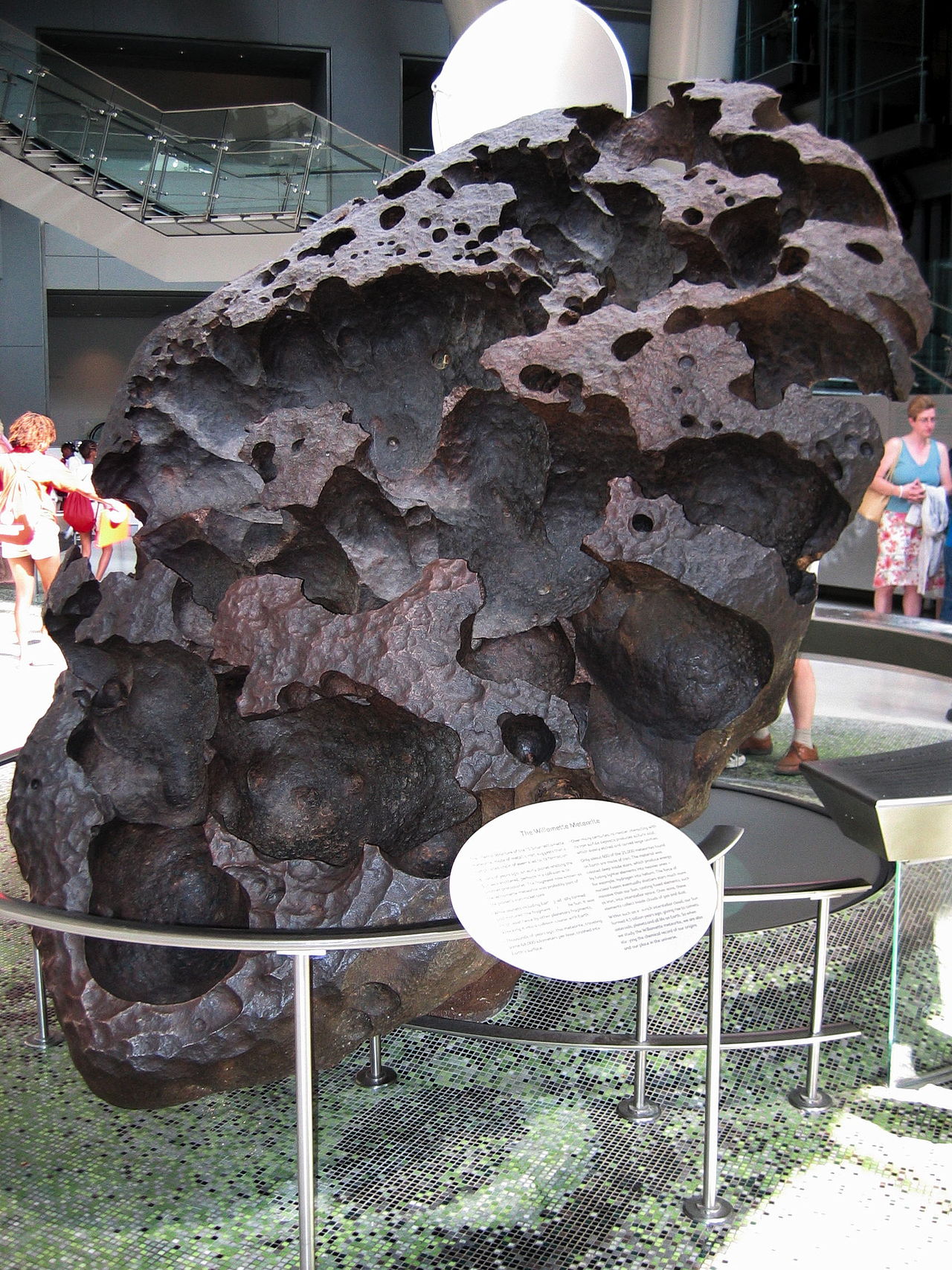
The Iron Age is the archaeological period in which the production and widespread use of iron fundamentally reshaped tools, weapons and economies. It follows the Bronze Age in many regions, though the timing of the transition varies by place. Some communities knew of naturally occurring meteorite iron and used it for small objects long before smelting was practiced, while large-scale ironworking required new furnace technology and a growing knowledge of reducing atmospheres to extract iron from ores. Evidence for early ironworking appears in parts of Anatolia and the broader Mesopotamia region, but the route from isolated artifacts to an Iron Age was uneven and region-specific.
Image gallery
10 Images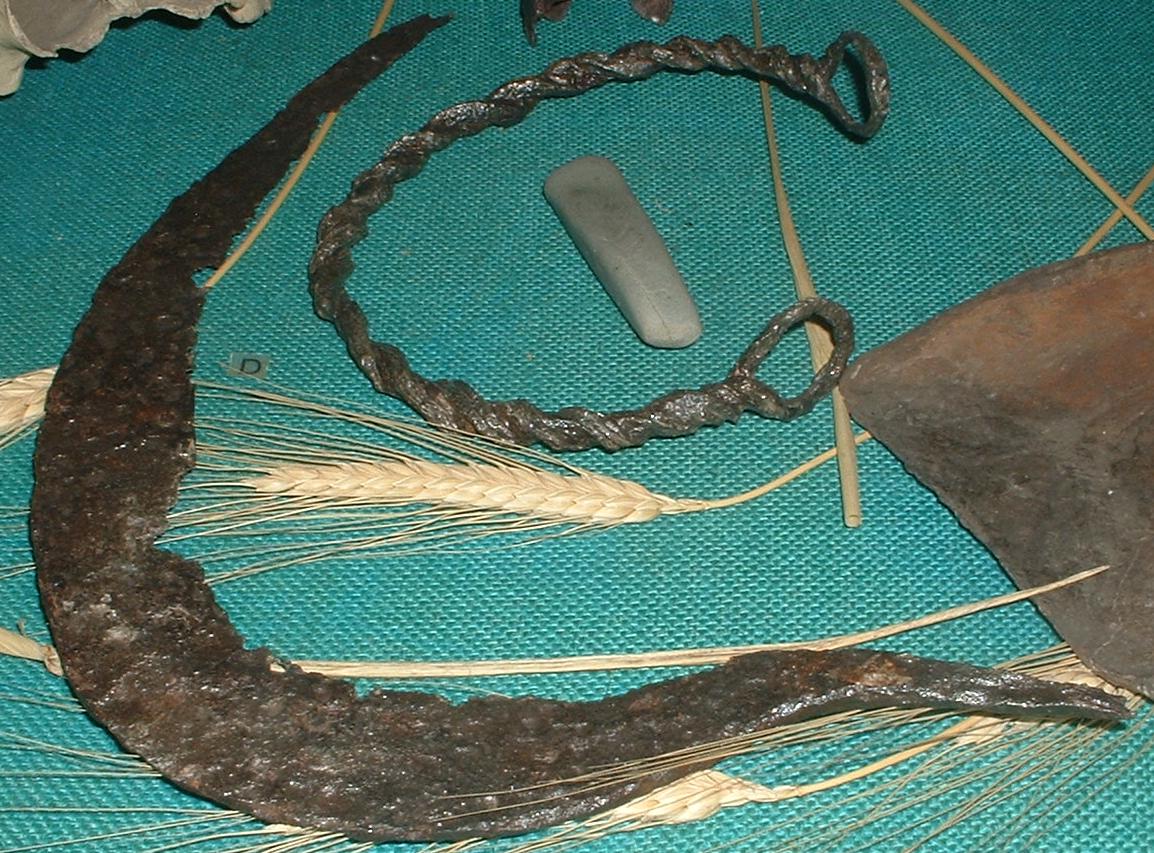



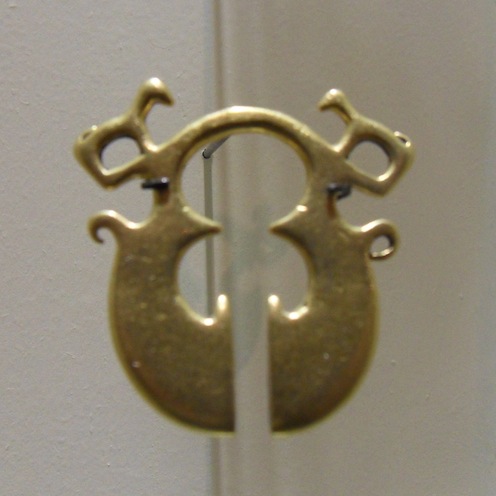

Metallurgy and materials
Understanding the Iron Age requires attention to technology as much as chronology. Early metalworkers learned to smelt iron ore in small furnaces and to hammer the resulting spongy bloom into usable wrought iron. Earlier societies such as Sumer and the polities of Akkad encountered iron in various forms, and archaeological finds—including occasional objects from Hattic contexts—show that iron was known before it became dominant. Over centuries, techniques improved across the Near East and southwest Asia, allowing smiths to produce more consistent materials and to experiment with carburizing iron into harder steels.
Regional development and chronology
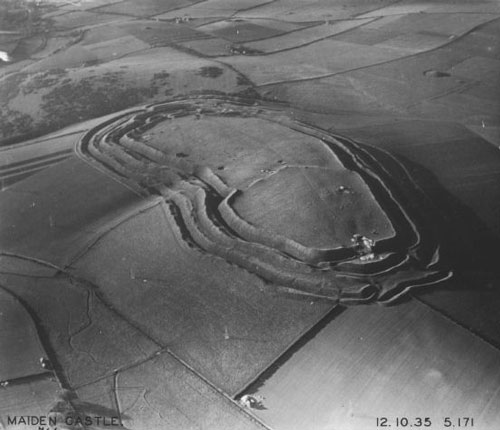
The shift to iron did not happen simultaneously worldwide. In many parts of the Near East the transition occurred in the late 2nd and early 1st millennium BCE; in much of Europe the Iron Age generally begins later, and in portions of sub-Saharan Africa ironworking appears to have developed independently. Before metallurgy, communities made implements from flint, bone and copper alloys and occupied a period archaeologists sometimes call prehistory until the adoption of writing. Technically, iron presents different challenges: it requires higher temperatures and controlled atmospheres, and its melting temperature and reduction chemistry meant new furnace designs were needed.
Uses, economy and society
When ironworking became widespread, it affected everyday life and large-scale institutions. Skilled blacksmiths could produce robust iron tools such as ploughshares, sickles and nails, which improved agriculture and construction. Cheaper, more available tools supported population growth, craft specialization and urban expansion. In trade and finance some societies introduced minted coins and more systematic markets to exchange surplus goods, including metal products. Militarily, iron weaponry and defensive equipment often offered advantages over older bronze weapons, and armies equipped with iron swords, spears and shields could alter balances of power.
Technological distinctions and notable facts
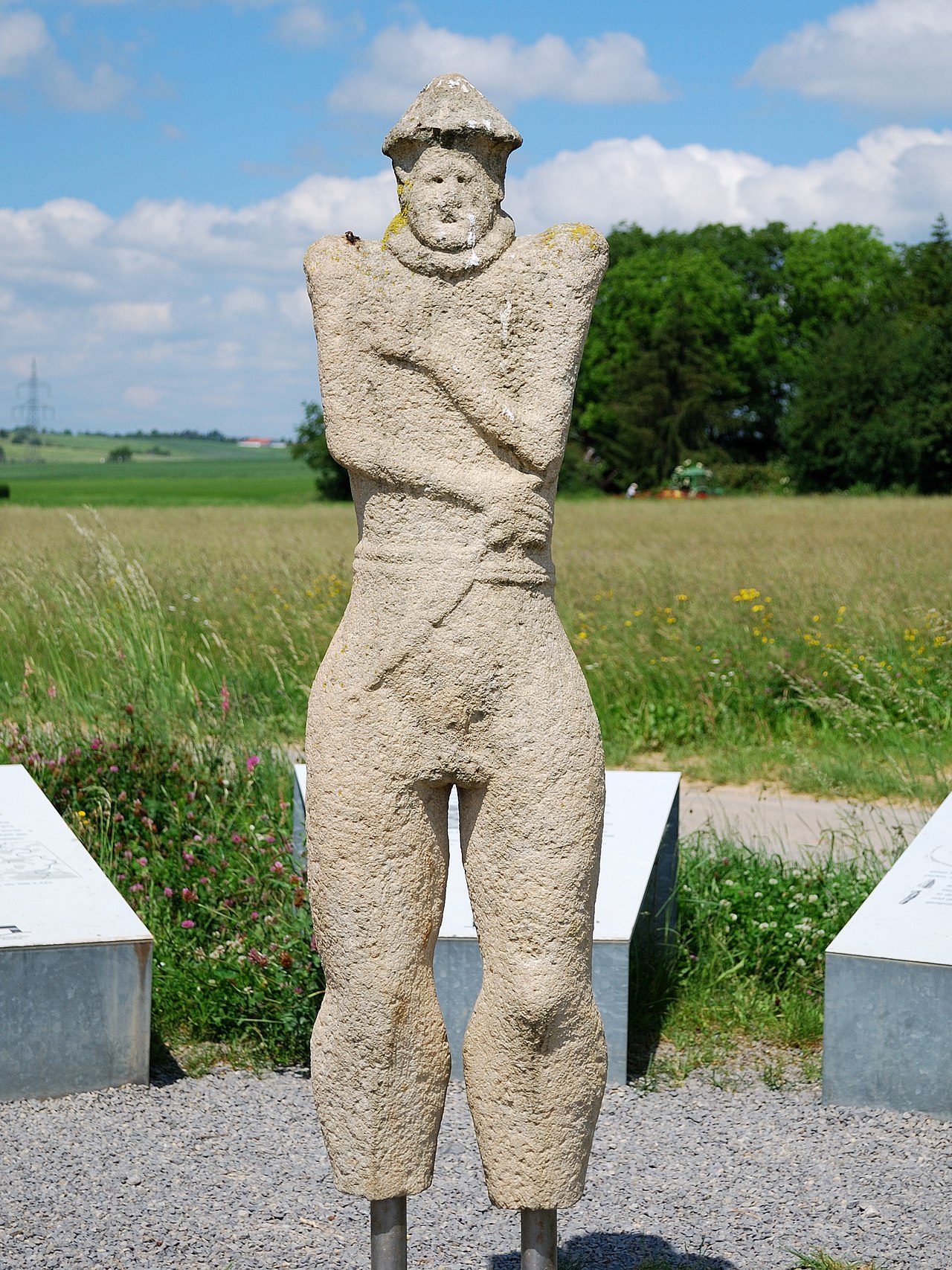
Not all early iron is the same. Archaeologists distinguish meteorite iron—rare and prized for glossy, pre-smelting artifacts—from smelted iron produced in bloomery furnaces. The Iron Age saw widespread use of wrought iron and early forms of steel produced by carburizing iron in solid-state processes. Later developments, including higher-temperature blast furnaces and more advanced steelmaking, postdate the initial Iron Age in many regions. Personal and military gear such as helmets evolved alongside these metallurgical advances; archaeological finds of decorated and functional helmets illustrate both technological and artistic change.
Summary and legacy
The Iron Age marks a major technological turning point rather than a single global event. Its onset depended on local resources, knowledge transfer and social choices. The era's innovations in metallurgy and toolmaking increased agricultural output, transformed craft production, and reshaped warfare and trade—changes that set the foundation for later historical societies and for successive advances in iron and steel technology.
- Key materials: ore, charcoal and fluxes used in bloomery smelting.
- Key actors: smiths, miners and traders who circulated metal goods.
- Key effects: improved farming tools, new military equipment and shifts in social organization.
For further reading, consult specialized regional studies and metallurgical analyses available through academic and museum resources linked here: Bronze and Iron comparisons, iron metallurgy, and surveys of ancient Near Eastern archaeology via Anatolian research and Mesopotamian collections.
Questions and answers
Q: What is the Iron Age?
A: The Iron Age is the period after the Bronze Age, when people began to use iron and steel tools instead of bronze or flint tools. It is a period of prehistory that ended when people began to write their history.
Q: When did iron production begin in Anatolia?
A: Iron production in Anatolia began at least as early as 12,000 BC, with some evidence pointing to even earlier dates.
Q: How long ago was an iron dagger found in a Hattic tomb in Anatolia?
A: An iron dagger with an iron blade was found in a Hattic tomb in Anatolia dating from 2500 BC.
Q: Where did the widespread use of iron weapons take place?
A: The widespread use of iron weapons took place throughout the Near East (North Africa, southwest Asia) by the beginning of the 1st millennium BC.
Q: Why was it difficult to make tools out of iron?
A: It was difficult to make tools out of iron because it melts at a higher temperature than bronze and blacksmiths had to learn how to make them.
Q: What were some benefits that came with using more and better tools made from iron?
A: Some benefits that came with using more and better tools made from iron included being able to farm fields better and grow more crops, invent coins for buying and selling crops and tools, and having stronger weapons for battle which allowed many peoples who didn't have access to such technology be conquered by those who did.
Related articles
Author
AlegsaOnline.com Iron Age: origins, metallurgy, regional chronologies and cultural impact Leandro Alegsa
URL: https://en.alegsaonline.com/art/48200
Sources
- mygeologypage.ucdavis.edu : Online version