
Black Forest (Schwarzwald): geography, culture and visiting guide
Overview of the Black Forest in Baden-Württemberg, Germany: landscape, ecology, towns, cultural traditions, recreation, travel routes and practical visitor notes.
Overview
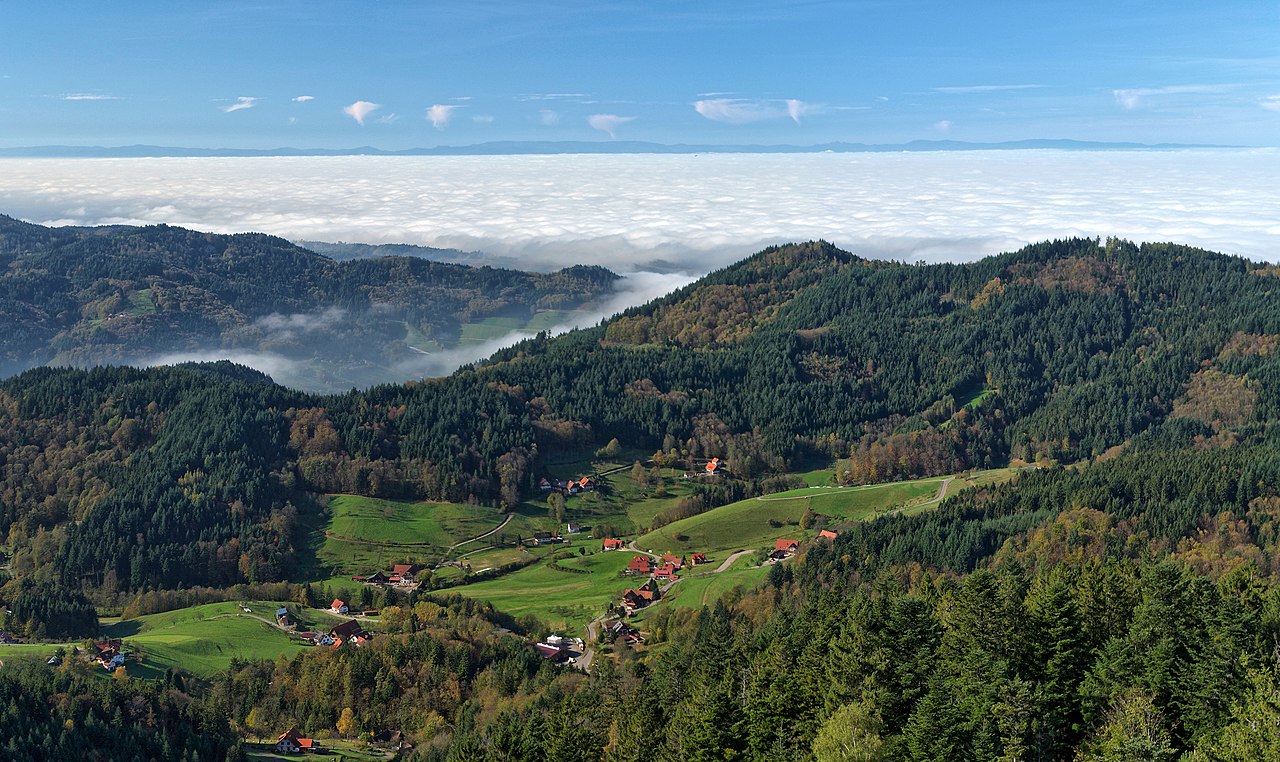
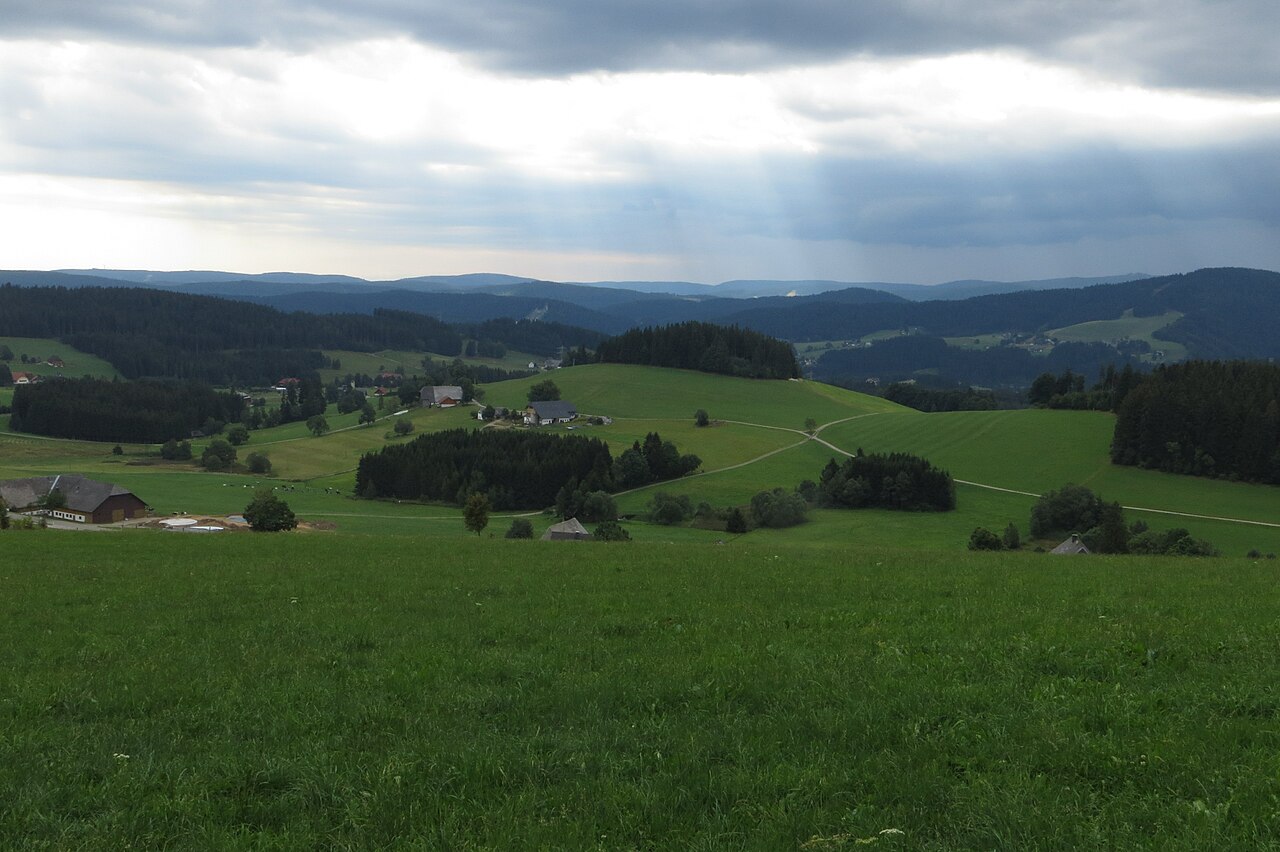
The Black Forest (German: Schwarzwald) is a large, forested upland region in southwestern Baden-Württemberg, Germany. Characterised by dense coniferous and mixed woodlands, rounded mountains and deep valleys, the region is a familiar symbol of Central European upland landscapes. The highest summit is the Feldberg, which reaches about 1,492 metres above sea level and is a focal point for nature and tourism.
Image gallery
10 Images




Geography and geology
The Black Forest forms a long, roughly triangular massif oriented northeast–southwest. Its geology includes older crystalline rocks in the central massif and younger sedimentary layers at the edges, producing a variety of soils and landforms. Glacial action and river erosion sculpted cirques, steep valleys and tarns near the highest areas. Many small rivers and streams rise here and flow outward to larger river systems, contributing to the Rhine basin and neighbouring catchments.
Climate, flora and fauna
Elevation and exposure create a range of microclimates: lower valleys are relatively mild while high plateaus are cooler and snowier in winter. Vegetation zones reflect these gradients. Mixed broadleaf woods occur on lower slopes, while spruce, fir and mixed conifer stands dominate higher elevations. The region supports typical Central European upland wildlife, including mammals, birds and a rich insect fauna. Peat bogs, moorlands and old-growth pockets are important for biodiversity and are the focus of conservation efforts.
Towns and human geography
Settlements around the Black Forest include spa towns, market towns and industrial centres. Notable towns, roughly from north to south, are:
- Pforzheim (gateway to the north)
- Calw (historic market town)
- Baden-Baden (renowned spa and cultural centre)
- Offenburg
- Freudenstadt
- Villingen-Schwenningen
- Titisee-Neustadt (near the lake Titisee)
- Waldshut-Tiengen (southern approaches)
History, culture and craftsmanship
Human use of the Black Forest stretches back many centuries. Forestry, small-scale farming, glassmaking and artisan crafts shaped local economies and settlement patterns. Timber and water power supported sawmills and workshops; over time a reputation for precision woodworking and clockmaking developed. Visitors can still find traditional handicrafts and the region’s emblematic mechanical cuckoo clocks, alongside contemporary cultural festivals and museums that interpret local history.
Recreation and routes
The Black Forest is a long-established destination for outdoor recreation. Popular activities include hiking on an extensive network of marked trails, cycling and mountain-biking on purpose-built tracks, and winter sports such as cross-country skiing and downhill skiing at higher resorts. Scenic roads and themed routes — including well-known high roads and museum trails — link viewpoints, cultural sites and small workshops. One typical itinerary is to follow routes that highlight the region’s clockmaking and craft heritage.
Economy, products and conservation
Local economies combine forestry, tourism, light industry and agriculture. Foods and regional specialities—such as smoked ham varieties and the dessert known internationally as Black Forest cake (Schwarzwälder Kirschtorte)—are part of the area’s gastronomic identity. Modern conservation and land-management practices aim to balance timber production with recreation and the protection of habitats, peatlands and water resources.
Practical visitor notes
Visitors should be prepared for rapidly changing mountain weather, wear suitable footwear, and respect waymarks and protected zones. Many towns offer tourism offices with maps, trail information and cultural listings. Public transport and scenic byways allow access to trailheads and attractions, while local museums and interpretation centres help explain the region’s natural and cultural story.
For more details, regional tourism offices and local cultural sites provide current information on trails, events and services.
Related articles
Author
AlegsaOnline.com Black Forest (Schwarzwald): geography, culture and visiting guide Leandro Alegsa
URL: https://en.alegsaonline.com/art/11915